
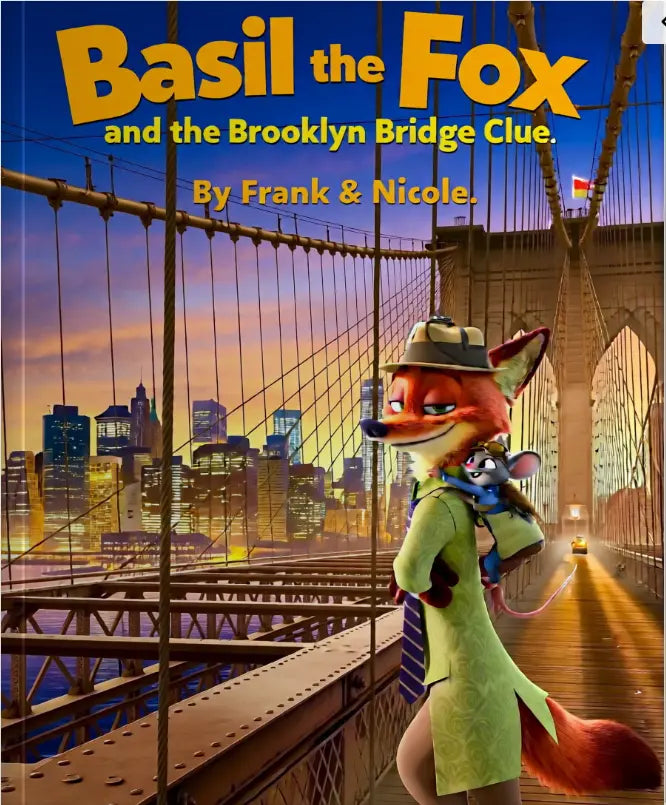

Picture a parent finding a bedtime story in seconds, an entrepreneur pulling up a practical guide during a lunch break, and a curious reader opening a flipbook from anywhere in the world. That simple moment answers a big question: what is a digital library? At its core, a digital library is a curated collection of books, documents, media, and learning materials you can access on a phone, tablet, laptop, or desktop without needing a physical shelf.
But the best digital libraries are more than scanned pages on a screen. They create a living reading experience - one built for convenience, discovery, and real life. For modern families, busy professionals, and lifelong learners, that difference matters.
What is a digital library and how does it work?
A digital library is an organized online collection of content made available in digital form. That content can include e-books, printable materials, audiobooks, magazines, research documents, interactive flipbooks, videos, and more. Instead of borrowing or buying a physical copy and waiting for delivery, readers gain instant access through a website, app, or member platform.
The key word here is organized. A digital library is not just a folder full of files. It is built to help people find, read, search, sort, and return to content easily. Categories, search tools, author pages, recommendations, and member dashboards all help turn a large collection into something useful.
For readers, the experience is straightforward. You log in, browse a curated selection, choose what fits your moment, and start reading right away. Some libraries focus on academic research. Others are designed for entertainment, skill building, children's reading, or a mix of all three. The model depends on the audience.
A digital library is not the same as a random e-book collection
This is where people often get confused. A few downloaded PDFs on your laptop are not really a digital library. Neither is a marketplace that only sells single titles one at a time. A digital library has structure, consistency, and a purpose behind the collection.
That purpose can be educational, professional, family-oriented, or creative. In a strong digital library, the content is selected with intention. Readers are not left to sort through low-quality files or endless clutter. They enter a curated environment where the next good read is easier to find.
That curation is especially valuable for parents and lifelong learners. If you are choosing children's content, trust matters. If you are reading to improve your business skills, relevance matters. A digital library should save time, not create more work.
What you will usually find inside a digital library
The format varies, but most digital libraries include a mix of reading and learning materials designed for different needs. That might mean illustrated children's books, business guides, educational workbooks, visual storytelling, or interactive reading formats that feel more immersive than a standard file.
Some platforms lean heavily toward research and archives. Others feel more like a premium reading membership, with regularly updated collections and content for multiple age groups or interests. That flexibility is part of the appeal. One person may open a digital library for professional growth in the morning and family reading in the evening.
In membership-based platforms, fresh additions can be a major advantage. A growing collection gives readers a reason to come back, explore more, and build a real reading habit instead of treating books as one-time purchases.
Why digital libraries matter now
The biggest benefit is simple: access. A digital library removes the common friction points that stop people from reading more. There is no shipping delay, no waiting room line, and no need to store every title in physical space. If you live in a busy household, travel often, or prefer reading across devices, that convenience is hard to ignore.
There is also a financial advantage, depending on the model. Buying individual books can add up quickly, especially for families and readers with broad interests. A digital library membership can offer better value when you want variety instead of a single title every now and then.
For entrepreneurs and self-starters, speed matters too. If you need a guide on content, marketing, productivity, or business thinking, immediate access turns curiosity into action faster. A good digital library supports momentum.
And for children, digital libraries can make reading feel exciting in a format they already understand. Interactive layouts, printable options, and visually rich pages can encourage engagement in ways that fit modern reading habits without replacing the warmth of story time.
The trade-offs are real
A digital library is useful, but it is not perfect for every reader or every situation. Some people still prefer the feel of a printed book, fewer screen hours, or the slower rhythm of reading away from devices. That preference is valid.
Access also depends on the platform. Some digital libraries let you download items for offline use, while others require an internet connection. Some are open and free. Others are paid memberships with premium content and more careful curation. Neither model is automatically better. It depends on what you value most: budget, exclusivity, convenience, or content quality.
There is also the issue of overload. If a platform offers too much without clear organization, readers can feel lost. That is why curation matters so much. A digital library should feel like a trusted collection, not an endless pile.
Who benefits most from a digital library?
Families often gain the most obvious benefit. Instead of keeping stacks of books in every room or waiting on deliveries, parents can open a safe, ready-to-read collection whenever they need it. That might mean a quick afternoon story, a printable activity, or a visual book a child wants to revisit again and again.
Professionals and entrepreneurs benefit in a different way. They need information that is concise, relevant, and available when time is tight. A digital library lets them explore guides and learning resources without turning reading into a project.
Lifelong learners may be the natural home for digital libraries because curiosity rarely fits into one category. One week it is storytelling, the next it is personal growth, and the week after that it is business strategy. A digital library supports that kind of evolving interest.
What makes a great digital library?
A great digital library begins with quality over noise. The collection should feel selected, not dumped together. Readers should know why the content is there and who it is for.
Usability matters just as much. Clean navigation, fast access, device-friendly reading, and clear categories all shape whether people actually return. If the platform feels confusing, even excellent content can go unread.
Freshness is another sign of value. A strong digital library grows over time. New additions keep the experience alive and help members feel that their library is expanding with them.
Finally, the format matters more than many people expect. Standard e-books are useful, but interactive flipbooks, printable titles, and immersive visual storytelling can make digital reading feel warmer and more memorable. For families especially, that magic can turn screen time into reading time with purpose.
Is a digital library replacing traditional libraries?
Not really. In most cases, it is expanding what access looks like. Traditional libraries still offer something special: community space, physical browsing, local programming, and printed materials many readers love. Digital libraries do something different. They make knowledge and entertainment available instantly, across distance, schedules, and devices.
The smartest way to think about it is not replacement but range. A reader can love physical books and still rely on digital access. A parent can print a digital story for offline reading. A business owner can read a guide on a tablet and still keep favorite titles on a shelf. It does not have to be one or the other.
Why this model keeps growing
People want reading to fit real life. They want quality content without delay, better value than constant single purchases, and a collection that grows with their interests. That is exactly why digital libraries keep expanding across education, publishing, and family entertainment.
For a platform like FN Library Online, the appeal is clear: a curated digital vault where readers can move from children's stories to entrepreneurial learning to immersive visual experiences in one trusted place. That kind of access feels less like buying a file and more like joining an active reading world.
If you have been asking what is a digital library, the simplest answer is this: it is a modern home for reading, learning, and discovery that travels with you. And when it is curated with care, it does something physical shelves cannot always do - it meets you exactly where you are, right when you are ready to read.
Your next favorite story, skill, or spark of curiosity may not be waiting on a shelf at all. It may already be one click away.

