

Updated on: 2026-06-03
Choosing ebook collections for children can simplify reading decisions and strengthen daily routines. A well-curated collection supports reading growth by matching themes, formats, and difficulty levels. It also helps families build predictable learning moments without searching for new titles every week. With the right selection method, parents and educators can offer variety while staying aligned with a child’s interests and skills.
- Introduction
- Step-by-Step Guide
- Tips
- Ebook Collections for Children: How to Choose by Age and Reading Skills
- Content Structure and Curation: What to Look For
- How to Use a Collection in Daily Reading
- FAQs
- Call to Action
Introduction
Ebook collections for children are more than a set of digital books. They are a practical way to organize reading into clear paths, reduce decision fatigue, and keep children engaged. When families use collections thoughtfully, children receive consistent topics, recurring characters, and familiar reading rhythms. This supports comprehension, vocabulary building, and motivation.
In a digital library, a collection also functions like a guided shelf. Instead of searching for a new title every time, you can rotate within a curated set. The result is a calmer experience for parents and a more stable experience for children. This guide explains how to choose and use a collection in a way that is developmentally appropriate and sustainable.
Step-by-Step Guide
-
Define the goal for the collection. Decide whether you want story variety, theme-based learning, character consistency, or support for reading confidence. A clear goal makes selection easier.
-
Assess the child’s current reading level. Consider decoding ability, fluency, and attention span. You can also evaluate whether the child enjoys short chapters, picture-led narratives, or longer text with steady pacing.
-
Select a collection format that fits your routine. Some families prefer short read-aloud ebooks, while others prefer longer chapter arcs. Choose the format you can use consistently, not the format that sounds best on paper.
-
Check thematic alignment. Identify themes that match the child’s interests, such as mysteries, adventures, nature, school life, or kindness and teamwork. Strong interest alignment increases follow-through.
-
Use a balanced mix. Aim for variety across themes and styles, while keeping a consistent tone. For example, you can mix humor, gentle suspense, and problem-solving without shifting into unrelated topics.
-
Plan an access method. Ensure the child can reach the ebooks easily on the device you use. If navigation is difficult, the collection will be underutilized.
-
Introduce the collection with a low-pressure approach. Let the child preview the cover art, read the opening paragraph, or choose between two options inside the collection. Agency supports motivation.
-
Track progress through engagement, not only accuracy. Look for signals such as willingness to continue, ability to retell key events, and curiosity about characters. These are practical indicators that the collection fits.
Ebook Collections for Children: How to Choose by Age and Reading Skills
The best ebook collections for children match reading demand to developmental readiness. Children grow quickly, so the ideal choice changes across grade levels. Instead of focusing only on age labels, use reading skills as your main guide.
For younger readers, look for collections with strong visual cues, short scenes, and repetitive language patterns that support early literacy. For middle readers, consider collections with chapter structure, clear cause-and-effect events, and opportunities to build background knowledge. For older children, prioritize collections that sustain narrative tension, offer richer vocabulary, and support independent reading habits.
If you want a structured mystery arc, collections with recurring characters can help. A child becomes familiar with the setting and learns to follow clues. That familiarity reduces cognitive load and frees attention for comprehension.

Family reading checklist with age ranges and skills icons
Content Structure and Curation: What to Look For
Curated collections typically share certain qualities. First, they offer continuity. Continuity can come from a recurring protagonist, a consistent theme, or a shared setting. Second, they include variety within boundaries. Variety keeps reading fresh, while boundaries prevent overload. Third, they support escalation. As the child reads, text complexity and narrative depth should gradually increase.
When you evaluate a collection, review these elements:
- Story structure: Clear beginnings, middle problem points, and resolved endings help children practice narrative understanding.
- Vocabulary support: Strong writing includes descriptive language but avoids unnecessary complexity that interrupts flow.
- Text and layout clarity: Comfortable formatting and readable spacing help sustain focus.
- Engagement mechanics: Choices, questions, and clue-driven moments can maintain interest without requiring adult micromanagement.
- Consistency of tone: A stable tone prevents mood shocks that can reduce willingness to continue.
Curated content also supports a household’s educational values. FN Library Online is a digital bookstore and creative publishing house that focuses on high-quality, curated digital content. The aim is to make reading feel purposeful and enjoyable, not merely technical.
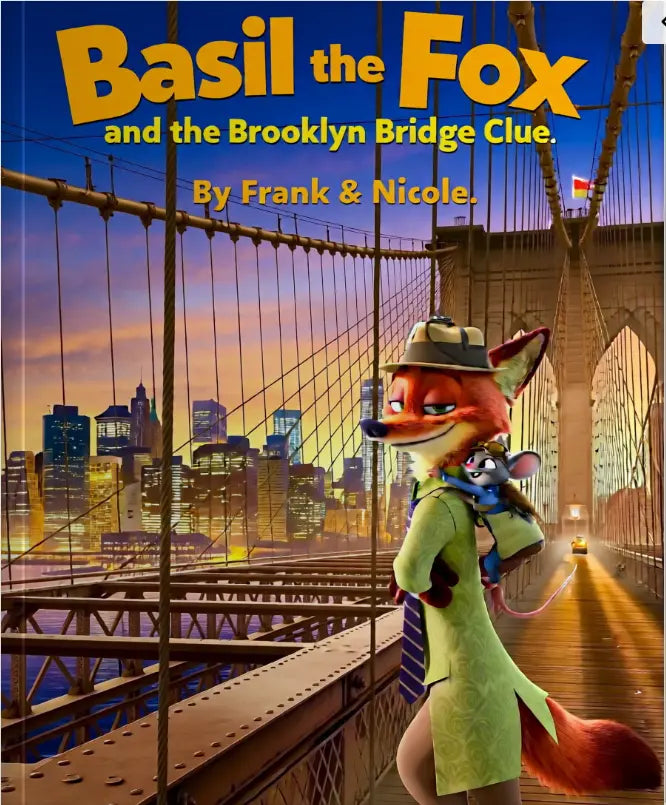
If your priority is immersive storytelling, you can start with themed bundles that keep characters and plotlines coherent. For example, you may explore bundled mystery experiences that share a common character framework. Consider:
How to Use a Collection in Daily Reading
Even the best ebook collection is only effective if it fits your day. Use a simple routine that makes reading predictable. Predictability builds habit, and habit builds momentum. A practical approach includes three phases: introduction, rotation, and reflection.
-
Introduction: Choose one ebook as the “starter.” Read or listen together for a short segment. Stop at a natural pause point. This teaches the child where to resume.
-
Rotation: Once the child is interested, rotate between two or three ebooks within the same collection. Rotation prevents boredom while preserving continuity.
-
Reflection: After reading, ask one brief question. For example: “What was the biggest clue?” or “How did the problem get solved?” Short reflection strengthens comprehension without turning reading into a test.
For read-aloud settings, consider pacing as a learning tool. Slow down during clue lists and speed up during action sequences. This aligns auditory rhythm with narrative structure. For independent reading, encourage chunking. Suggest short sessions followed by a quick retell.
When motivation drops, do not abandon the collection. Adjust the mode. For a child who resists independent reading, switch to guided reading for a few days. For a child who is tired, choose the shortest ebook in the collection and end early with success.

Daily reading routine with icons for preview, rotate, reflect
Tips
- Start with a “just-right” entry: Select one ebook that the child can finish within a reasonable time frame to build confidence.
- Keep two choices available: Offer a pair of ebooks from the collection so the child can decide without derailing your plan.
- Use theme cues: If the collection is adventure-based, align reading time with a related activity, such as a map walk or drawing a favorite scene.
- Encourage clue talk: Ask about evidence, not just outcomes. This develops logical thinking and narrative comprehension.
- Protect attention: Reduce background distractions during reading. Even short sessions become more effective when focus is stable.
- Revisit without repeating: Re-read favorite parts or discuss them again. Repetition can deepen understanding when it is selective.
- Pair with a library mindset: Treat ebooks as a curated shelf. Curated shelves feel intentional, and children respond to intentionality.
FAQs
What are the benefits of ebook collections for children compared with buying single books?
Ebook collections support continuity, reduce repeated search effort, and provide a structured path for reading development. They also help parents manage themes and difficulty levels more consistently, which can improve engagement and routine adherence.
How do I know whether a collection is suitable for my child’s reading level?
Use reading behaviors as indicators. The child should be able to follow the main events, show interest in characters or clues, and retell key moments with support. If the child frequently stops due to confusion or frustration, select an easier entry or switch to read-aloud mode temporarily.
Can ebook collections for children work for both independent reading and read-aloud time?
Yes. Many collections are flexible. You can read shorter sections together and then move toward independent chapters as readiness grows. Keeping a consistent character set also makes it easier to switch between shared and solo reading.
How many ebooks should a collection include for effective use?
A practical range is one that you can rotate through for several weeks without constant replacement. Two to five ebooks often work well for establishing routine, while larger collections can be useful when organized into sub-themes or series.
Call to Action
If you want a structured and enjoyable path to reading, explore curated mystery and adventure ebooks from FN Library Online. Start with a bundle or an individual clue story, then expand gradually within the same narrative world. For example, you can begin with city mystery bundle and then choose additional locations as your child builds confidence.
Disclaimer: This article provides general guidance for choosing and using children’s ebook collections. It is not a substitute for professional educational or developmental advice. Always consider your child’s individual needs and preferences when selecting reading materials.


Never give up. Today is hard, tomorrow will be worse, but the day after tomorrow will be sunshine.”

