

Updated on: 2026-05-12
Digital children’s literature is transforming how families discover stories, characters, and learning experiences. This article explains what makes digital formats effective and how to choose high-quality books for children. You will also learn practical myths and facts, plus guidance on age fit, safety, and reading habits. Finally, you will receive clear recommendations for building a balanced digital reading library.
Introduction
Digital children’s literature offers a modern way to support literacy, curiosity, and imaginative play. When parents, educators, and caregivers choose well-designed digital books, they can provide engaging stories that fit daily life and varied reading styles. In this guide, you will learn what to look for, how to evaluate quality, and how to build routines that protect attention and encourage comprehension.
Rather than treating digital books as a replacement for reading, the best approach is to treat them as an addition to a healthy reading ecosystem. You can use digital titles for shared reading, independent practice, travel, and themed learning. The result is a more flexible library that still values strong storytelling and age-appropriate language.
Product Spotlight
For families and educators who want engaging narrative experiences, consider mystery-driven reading series with clear story structure and child-friendly suspense. A well-crafted digital mystery book can support vocabulary growth, listening skills, and reasoning as readers follow clues and make predictions. The digital format can also help children continue reading across devices while maintaining consistent story flow and layout.
One useful selection strategy is to choose a series that offers multiple installments. Series continuity can help young readers build familiarity with characters and narrative patterns. That familiarity often reduces cognitive load and improves confidence. It can also create natural discussion points for caregivers, such as “What do you think will happen next?” or “Which clue seems most important?”
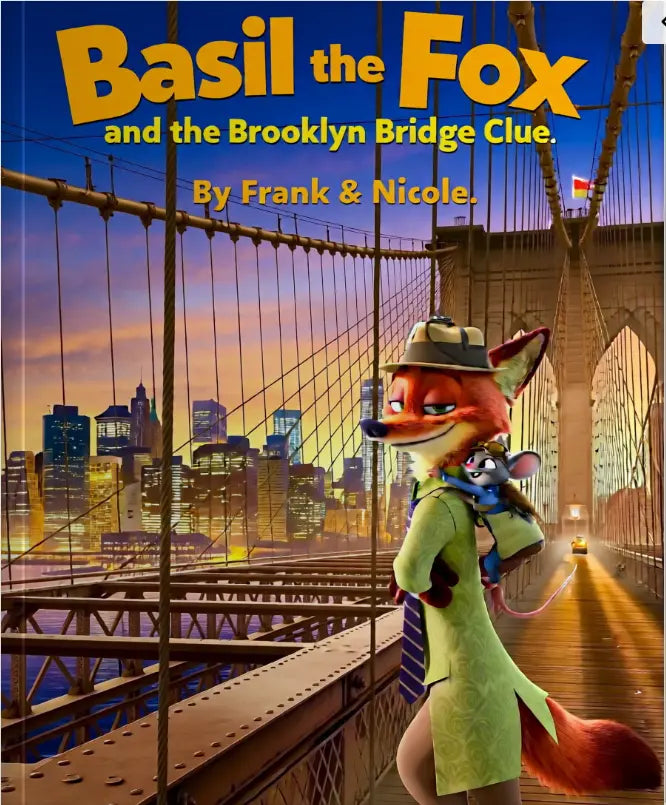
For example, the FN Library Online collection includes titles designed for immersive storytelling and clue-based problem solving. If you want a themed starting point, you can review related options such as “Basil the Fox” entries and companion mysteries to match your child’s interests and preferred reading pace.

Child-led clue map with icons for focus, story, choice
What strong digital storytelling should include
Digital children’s literature works best when the writing and design work together. The story should have clear pacing and a predictable structure that still allows surprise. Dialogue should be readable and meaningful. Illustrations or visual elements should support comprehension rather than compete for attention. When interactivity exists, it should deepen engagement, such as by prompting reflection or reinforcing key vocabulary through context.
In addition, high-quality digital books often respect reading boundaries. They avoid disruptive motion and keep text legible. They also provide a comfortable reading experience for a child who may be learning to navigate digital interfaces. A consistent layout can help children focus on the narrative, not on the device.
How to choose an age-appropriate digital book
Age fit is not only about reading level. It is also about story complexity, emotional tone, and the child’s tolerance for suspense. For younger readers, choose stories with short chapters, repeatable patterns, and clear character motivations. For older readers, consider mysteries that require reasoning, inference, and longer attention spans.
Caregivers can also choose based on goals. If the goal is listening and attention, prioritize narration and simple clue sequences. If the goal is independent reading, prioritize clear text layout and supportive visual cues. If the goal is vocabulary, prioritize stories with varied sentence structures and context-based word meaning.
Myths vs. Facts
Digital children’s literature is sometimes discussed in extremes. Some people assume digital books always reduce attention, while others assume they automatically improve learning. Both positions overlook quality, design, and how adults guide reading.
Myth: Digital books are only for entertainment
Fact: Digital stories can support literacy when they are selected with intention. A narrative that uses strong language, clear sequencing, and discussion-friendly events can strengthen comprehension and critical thinking. The key is to choose books that encourage active attention, not passive scrolling.
Myth: Any digital format is equal in quality
Fact: Digital quality varies widely. Look for readable typography, stable layout, and visuals that clarify meaning. When a book includes interactive elements, it should use them to reinforce understanding. Quality design reduces distractions and supports consistent reading behavior.
Myth: Digital reading cannot build deep imagination
Fact: Imagination depends on story craft, not only on paper. Children can create mental images from digital text just as effectively. In many cases, visual support helps younger readers focus on character emotions and setting details, which strengthens engagement and creative thinking.
Myth: Suspenseful stories are always too intense
Fact: Suspense can be appropriate when it remains age-appropriate and resolves in a satisfying way. A clue-based mystery can teach patience and reasoning. Caregivers can also read preview summaries, review the tone, and monitor how the child responds.

Balanced reading routine icons for eyes, conversation, pacing
Frequently Asked Questions
How do I evaluate the quality of digital children’s literature?
Start with the writing quality: clear language, engaging characters, and a coherent plot. Then evaluate design: readable text size, minimal distractions, stable navigation, and supportive visuals. If the book includes audio or interactive features, confirm that they serve comprehension. Finally, choose titles that match your child’s reading confidence and emotional tolerance.
What is a healthy routine for digital reading at home?
Use structured sessions instead of open-ended device time. A simple approach is to set a short reading window, then add a brief conversation about the story. You can also alternate formats by pairing digital reading with offline activities such as drawing scenes, retelling plot points, or building a clue list. Consistency helps children maintain attention and build reading habits.
Are mystery books appropriate for early readers in digital form?
Many mystery formats can be appropriate when the clue sequence is clear and the suspense level is moderate. Early readers often benefit from strong character cues and a predictable pattern of “observe, guess, confirm.” If needed, caregivers can read with the child at first, then transition to independent reading as confidence grows.
How can educators use digital stories for learning objectives?
Educators can align stories with language goals such as vocabulary, inference, and narrative sequencing. Use guided prompts, such as identifying the problem, listing evidence, or predicting outcomes. Digital books can be useful for shared reading, small-group instruction, and comprehension checks when the format supports reliable access and consistent layout.
Final Recommendations
Digital children’s literature performs best when it is treated as a curated tool, not as a default substitute. To create a strong digital library, prioritize quality storytelling, age-appropriate suspense, and thoughtful design that supports comprehension. Choose series titles for continuity and discussion potential, and select a mix of short and longer books to match daily attention patterns.
For your next step, explore a few story options from the FN Library Online mystery collection and compare them based on pacing and theme. You can start with a bundle for variety, then expand into individual installments that match your child’s favorite elements. If you want to tailor your selection further, use these browsing paths:
- Begin with the Basil the Fox bundle
- Choose a Central Park mystery
- Select a clue about the missing key
- Add a lantern-themed standalone mystery
Practical checklist before you buy
- Confirm the child’s interest in mystery, characters, and resolution style.
- Check readability: text size, layout stability, and visual clarity.
- Prefer books with coherent pacing and discussion-friendly moments.
- Use short guided sessions and follow with a brief conversation.
- Monitor attention and adjust session length based on response.
Call to action: Build a balanced reading plan by adding one or two digital mystery titles to your existing library. Use guided discussion and calm routines to turn screen time into purposeful reading time. Start browsing curated options from FN Library Online and select stories that match your child’s curiosity and confidence.
Disclaimer: This article provides general guidance about selecting and using digital reading materials. It does not replace professional advice related to individual needs. Always review content suitability for your child and follow any applicable device and safety guidelines.


Never give up. Today is hard, tomorrow will be worse, but the day after tomorrow will be sunshine.”

