

The moment you need a bedtime story before lights out, a business guide before tomorrow’s meeting, or a fresh read for a long flight, the old bookstore model starts to show its limits. That is exactly why smart alternatives to bookstores are becoming the first choice for families, professionals, and lifelong learners who want better access, not just more shelves.
A traditional bookstore still has its charm. There is something comforting about browsing tables, flipping through a few pages, and leaving with a book in hand. But charm does not always match real life. If you are juggling work, parenting, travel, or a packed schedule, waiting on store hours, stock availability, or shipping times can feel outdated fast.
The good news is that readers now have more thoughtful options. The best alternatives do more than replace a bookstore. They solve specific problems - speed, selection, cost, convenience, and discovery - while giving readers a more personal experience.
Why smart alternatives to bookstores matter now
Reading habits have changed. People no longer consume books in one format or in one setting. A parent may read a printable children’s story at the kitchen table, then switch to a digital flipbook on a tablet at bedtime. An entrepreneur may scan a practical guide on a laptop in the morning and revisit key pages on a phone between meetings.
That shift matters because the best reading platform is not just a place to buy books. It is a system that fits your life. For some readers, that means instant downloads. For others, it means curated recommendations, interactive formats, or a subscription that keeps the library growing without requiring another checkout line.
There is also a trust factor. When readers move beyond bookstores, they are often looking for a curated experience rather than endless digital clutter. More choice is only helpful when quality stays high.
Digital libraries offer speed and depth
One of the strongest alternatives to bookstores is the modern digital library. Not the kind tied to a single borrowed copy or a waiting list, but a curated digital collection designed for immediate access.
This option works especially well for readers who want flexibility. You can build a personal reading routine around your actual schedule instead of a store visit. If you live in a smaller town, travel often, or simply prefer reading on demand, digital access removes the usual friction.
There is a deeper advantage too. A strong digital library can combine entertainment, education, and family reading in one place. That matters for households where one person wants children’s stories, another wants personal growth content, and someone else is looking for practical business insight. Instead of shopping title by title, you enter a space built for ongoing discovery.
The trade-off is simple. Not every digital collection is curated well. Some feel crowded and generic. The better platforms are selective, visually clean, and focused on quality rather than volume alone.
Membership platforms are a smarter fit for frequent readers
If you buy books often, a membership model can be one of the smartest alternatives to bookstores. Instead of paying full price every time a new title catches your eye, you gain access to a wider vault of content for a lower overall cost.
This is especially attractive for digital-native readers who treat reading as part of daily life, not an occasional purchase. Families can rotate through children’s titles without overspending. Professionals can sample multiple guides before committing to one strategy. Lifelong learners can explore new subjects more freely because discovery no longer feels expensive.
A good membership also changes the emotional experience of reading. You stop asking, “Is this one book worth buying?” and start asking, “What do I want to learn or enjoy next?” That is a better question. It opens the door to curiosity.
For many readers, this is where a premium digital library stands out. A platform such as FN Library Online makes sense not because it copies a bookstore, but because it improves on the model with instant access, curated content, printable formats, and interactive reading experiences that feel made for modern households.
Interactive reading beats static browsing
Traditional bookstores are built around static inventory. You see a cover, read the back, maybe skim a chapter. That process still works, but it is limited.
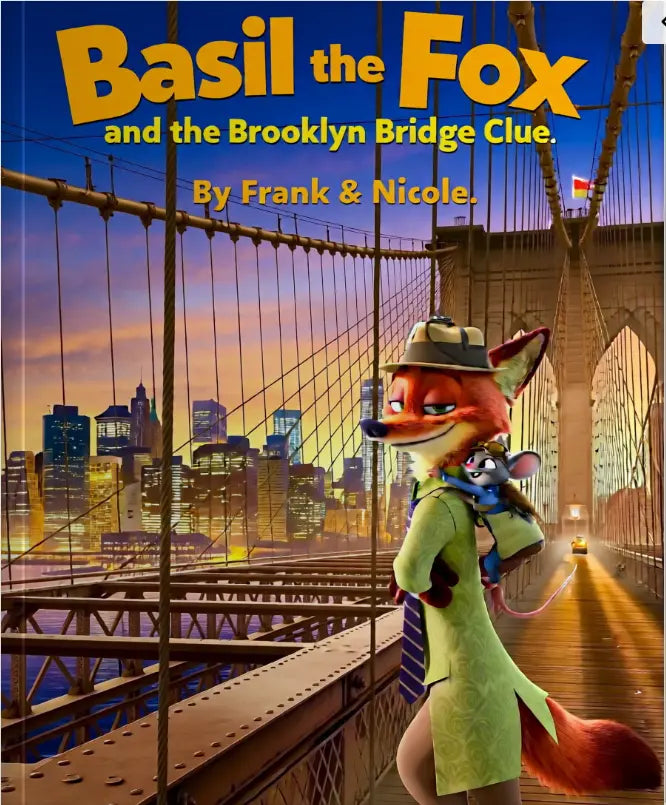
Interactive digital reading offers something richer. Flipbooks, visual storytelling, and immersive layouts create a sense of movement that feels especially engaging for younger readers and screen-comfortable adults. For parents, this can turn reading time into a more vivid shared moment. For casual readers, it adds freshness to the experience. For learners, it can make information easier to absorb.
This does not mean every book needs bells and whistles. Some content is best presented simply. A practical entrepreneurship guide should remain clear and direct. A children’s story, on the other hand, may benefit from visual magic that helps a child stay focused and excited.
That is the real advantage of interactive formats. They allow the format to match the purpose.
Curated publisher platforms can outperform giant marketplaces
Many readers assume the main alternative to bookstores is a massive online marketplace. It is an option, but not always the smartest one.
Large marketplaces are built for scale. They are useful when you know exactly what you want. But when you are looking for quality discovery, they can feel noisy. Search results become crowded. Recommendations often blur together. Trust gets harder when every title competes in the same endless stream.
Curated publisher platforms solve a different problem. They offer a tighter collection, a clearer point of view, and a stronger editorial filter. That is valuable if you care about what comes next, not just what is available.
For parents, curation can mean confidence that children’s content is age-appropriate and thoughtfully designed. For entrepreneurs, it means fewer low-value books making big promises. For everyday readers, it means less time sorting and more time enjoying.
This is one of the most overlooked smart alternatives to bookstores. Readers do not always need more options. They often need better ones.
Printable and multi-format books add real-life flexibility
A bookstore purchase usually locks you into one format. You buy the paperback, hardcover, or maybe the audiobook somewhere else. Digital-first platforms can be more flexible.
That flexibility matters in ordinary moments. A parent may want to print a story for screen-free reading in the afternoon, then reopen it digitally later that night. A professional may prefer reading on a desktop while working, then switch to a phone during a commute. A traveler may want instant access without carrying extra weight.
When a platform supports multiple ways to enjoy the same content, it respects how people actually read. This is not a small upgrade. It is a practical one.
Of course, format flexibility works best when the reading experience stays polished. Poorly designed files, awkward layouts, or cluttered interfaces can cancel out the convenience. The best alternatives combine ease with quality presentation.
Weekly content updates keep a library alive
A physical bookstore changes slowly. Even online shops can feel transactional - you visit when you need something, then leave. A modern reading membership works better when it feels alive.
Regular updates create momentum. They give members a reason to return, browse, and stay connected to their reading goals. This matters more than many people realize. Reading habits thrive on freshness. New additions create little moments of anticipation, and anticipation keeps curiosity active.
For families, new stories keep children engaged. For ambitious readers, fresh professional content supports ongoing growth. For casual learners, a steady flow of new material turns reading into a habit instead of a sporadic purchase.
The smartest alternative is not just a digital shelf. It is a living library.
What to look for before choosing an alternative
Not every bookstore replacement is worth your time. The strongest options tend to get four things right: instant access, thoughtful curation, format flexibility, and a reading experience that feels inviting rather than overwhelming.
Price matters too, but value matters more. A cheaper platform filled with forgettable content is not a smart deal. A curated membership with strong educational and entertainment value often gives more over time, especially if multiple people in your home use it.
It also helps to think about your real reading life. If you read one title every few months and love the ritual of browsing in person, bookstores may still have a place. If you want convenience, variety, and a library that fits work, family, and learning goals, digital alternatives are hard to beat.
The best reading habit is the one that removes excuses. When stories, ideas, and practical knowledge are ready the moment you need them, reading becomes easier to keep close. Your next favorite book may not be waiting on a shelf at all - it may already be one click away, ready to grow with you.

