

Updated on: 2026-05-27
- TLDR
- Introduction
- Pros & Cons of Downloadable Storybooks
- Step-by-Step Practical Guide
- Choose the Right Format and Topic
- Prepare Devices and Reading Setup
- Browse Titles Strategically
- Curate a Rotation Plan for Readers
- Support Retention with Repeat Sessions
- Use Select Samples Before Committing
- Wrap-Up
- Q&A
TLDR
Downloadable storybooks provide a convenient way to build reading routines at home, in travel settings, or in classroom libraries. They are easy to store, simple to share within allowed use cases, and well suited for themed learning. The most effective approach is to choose the right format, plan a rotation, and support comprehension through repeat reading. Start with a small curated set, then expand based on reader interests.
Introduction
Downloadable storybooks are an efficient way to expand access to high-quality reading while keeping organization simple. Parents, educators, and independent readers benefit from digital libraries that can be stored, searched, and used across devices. When readers can open stories quickly, they are more likely to sustain daily reading habits. This guide explains the real advantages and practical steps so you can select, use, and manage downloadable titles with confidence.
Pros & Cons of Downloadable Storybooks
Digital reading offers benefits that matter for both individuals and learning environments. At the same time, thoughtful selection reduces friction.
- Pros: Immediate access. Readers can begin shortly after purchase or download.
- Pros: Lightweight storage. A large library can fit on one device without physical shelf space.
- Pros: Easy organization. Collections can be grouped by age, theme, or season.
- Pros: Flexible reading environments. Stories can be used at home, on trips, or during classroom read-aloud time.
- Pros: Repeat-friendly. Digital titles can be revisited without tracking down a specific copy.
- Cons: Device and app dependency. Some formats may require specific software for optimal reading.
- Cons: File management challenges. Without a simple folder system, downloads can become difficult to locate.
- Cons: Screen fatigue for some readers. Adults may need to balance screen time with print-based reading or short sessions.
- Cons: Usage rules vary. Licensing terms may restrict sharing or copying, so it is important to review purchase policies.
Step-by-Step Practical Guide
Use this workflow to turn downloadable libraries into a dependable reading system. Each step focuses on outcomes: fewer setup issues, better match to interests, and stronger reading continuity.
Choose the Right Format and Topic
Start with format and reading goals. Consider the reader’s age, attention span, and preferred way of listening or reading. For younger children, look for stories designed for read-aloud sessions. For independent readers, prioritize clear layouts and engaging plot structure.
Then match topics to what motivates the reader. Mystery themes can strengthen listening focus. Animal characters can support emotional connection and vocabulary growth. When you align stories with interests, motivation becomes automatic rather than forced.

Checklist icons for format, age level, and theme
Prepare Devices and Reading Setup
Preparation avoids delays that break reading momentum. Create a dedicated folder on your device for books. If your library supports multiple devices, confirm how downloads transfer or how access is restored.
- Create one “Storybooks” folder. Subfolders by age or series can reduce search time.
- Confirm the reading app. Use the app that handles the file type smoothly.
- Check offline access. If you use reading during travel, ensure files are available without an internet connection.
- Set a consistent reading routine. For example, keep the device charged and ready near the reading space.
Browse Titles Strategically
When you browse with a plan, you reduce returns to the same uncertain selection loop. Use a rule-based approach: pick one story that matches the current interest, one that slightly stretches skills, and one that fits a short attention session.
For mystery lovers, themed series can provide continuity. Continuity matters because it reduces the mental workload of restarting new characters each time. If you want curated options, consider exploring series-style bundles and individual titles offered by reputable digital bookstores.
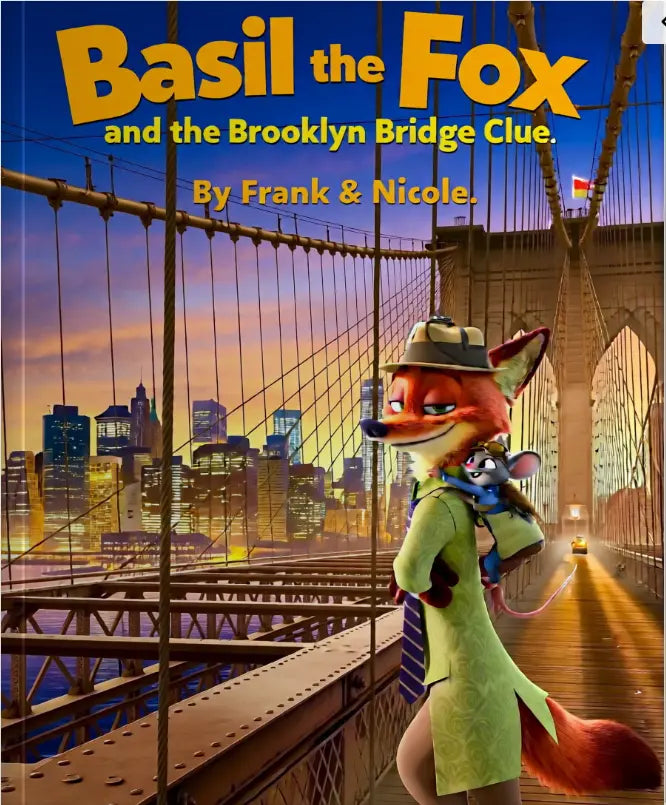
To see an example of a curated mystery bundle collection, you can review: Basil the Fox mystery bundle. If you prefer a single case, consider: Seine River clue story. For additional location-based intrigue, you can also explore: Brooklyn Bridge clue story.
Curate a Rotation Plan for Readers
Curated rotation helps readers finish stories and develop anticipation. A rotation plan can be simple: choose 3 to 6 titles, then rotate weekly or biweekly based on mood.
Use a three-layer method:
- Core favorites. Stories the reader requests repeatedly.
- New releases. One title that introduces a new setting or concept.
- Skill boosters. Slightly more complex stories that remain enjoyable.
This method improves comprehension because repetition builds familiarity, while new content prevents boredom.
Support Retention with Repeat Sessions
Retention improves when reading sessions have a predictable structure. Consider repeat sessions over a short time window. Repetition reinforces story structure: beginning, escalation, clues, and resolution.
During repeat reading, vary the adult support. On the first session, focus on enjoyment. On the second session, pause briefly to ask a simple question such as, “What detail stood out?” or “What might happen next?” This technique keeps the reading interactive without turning it into a test.
For educators, repeat reading can also support listening comprehension and discussion. For parents, it can strengthen routines and reduce bedtime resistance.

Three reading cards labeled enjoy, ask, retell
Use Select Samples Before Committing
Whenever possible, preview content to ensure the tone and pacing fit the reader. Samples can reveal whether the story style supports your goals. Look for consistent narrative clarity, appropriate vocabulary for the age level, and a plot that invites attention rather than confusion.
In digital environments, previewing also helps you avoid file and setup frustration. If a story matches well, you can add it to your core favorites and revisit it regularly.
Wrap-Up
Downloadable storybooks deliver practical value for anyone who wants reading to be accessible, organized, and consistent. Their strengths include fast access, flexible use, and efficient storage. The most important success factor is not the file itself, but how you select and structure your reading experience.
Choose appropriate formats, prepare a simple library system, and build a rotation that blends favorites with new stories. If you are seeking a curated digital reading experience, explore series-driven mystery titles to maintain continuity and sustained interest. For example, you can review a ready-made collection through the Basil the Fox mystery bundle, then expand with additional cases from the same world through individual story pages.
Finally, review licensing terms and usage rights before sharing within your household, classroom, or team. When selection, setup, and repetition work together, downloadable libraries become a reliable foundation for lifelong reading.
Q&A
How do downloadable storybooks work for offline reading?
Most downloadable ebooks can be used offline after you complete the download and open them with the supported reading app. To avoid surprises, download your titles ahead of time and confirm that the app can display the content without an internet connection.
What is the best way to organize a digital storybook library?
Create one main folder and keep it consistent. Use subfolders by age range, theme, or series name. A simple naming convention, such as “Age_Theme_Title,” helps you find books quickly during busy schedules.
Are downloadable storybooks suitable for group read-aloud sessions?
Yes, many digital storybooks can support read-aloud sessions when the device, screen, or projection setup is reliable. Choose formats that display text clearly and test the layout before a group session to ensure smooth reading.
How many titles should I start with?
For most readers, starting with 3 to 6 titles works well. This range supports choice without creating decision fatigue. After the reader shows clear preferences, expand the collection in small batches.
Disclaimer: This article provides general guidance on using downloadable reading materials. Always review the specific product page details, file formats, and any applicable licensing or usage terms before downloading or sharing content.


Never give up. Today is hard, tomorrow will be worse, but the day after tomorrow will be sunshine.”

