

Updated on: 2026-05-28
Engaging children's literature helps children build language skills, curiosity, and emotional intelligence. The best books use vivid characters, clear structure, and meaningful themes that invite discussion. In addition to storytelling quality, thoughtful selection by age and reading level improves comprehension. With a simple approach to choosing and using books, caregivers can create consistent reading routines that children look forward to.
Table of Contents
- Step-by-Step Guide
- Tips
- Why It Matters for Young Readers
- How to Choose the Right Story
- Visual Support for Early Reader Engagement
- Build Reading Routines That Last
- Visual Support for Middle-to-Later Stages
- Conversation and Activities
- Measuring Progress Without Pressure
- FAQs
Step-by-Step Guide: How to Create Engaging Children's Literature Moments
Engaging children's literature is not only about picking attractive covers. It is about creating learning-rich experiences that feel joyful and safe. Use the steps below to select books and turn reading into a consistent practice.
1) Match the book to developmental needs
Start with the child's current stage. For early readers, prioritize picture clarity, predictable patterns, and short sentences. For readers who can handle longer text, choose stories with stronger plot momentum and a clear beginning, middle, and end. This alignment reduces frustration and increases attention.
2) Evaluate story elements before purchase or download
Scan the description and sample pages. Look for characters with distinct goals, supportive themes, and a tone that fits the child. Strong stories usually include meaningful cause-and-effect. Children can follow actions, consequences, and resolutions more easily when the narrative structure is deliberate.
3) Consider language growth and comprehension
Choose books that slightly extend vocabulary without becoming confusing. Aim for recurring words and phrases that reinforce comprehension. If a story includes challenging concepts, it should also provide context through illustration or narrative cues.
4) Plan one intentional reading session
Before reading, set a single focus. For example: notice character choices, identify a turning point, or predict what happens next. A clear focus improves attention and helps children practice reasoning.
5) Use responsive reading, not one-direction reading
Pause occasionally to invite brief reactions. Ask what the child thinks a character feels, why a decision might be risky, or what clue supports the next event. Short, well-timed questions keep engagement high.
6) Reinforce learning through repeat reading
Repeat reading helps children internalize patterns and strengthen fluency. Repetition does not mean boredom. It means mastery. Over time, children read with more confidence and ask deeper questions.
7) Connect the story to real experiences
Engagement rises when the book relates to daily life. After reading, discuss parallels such as friendships, fairness, courage, or problem-solving. Keep connections age-appropriate and respectful.
8) Track outcomes through observation
Instead of formal testing, observe changes in attention span, vocabulary use, and willingness to read. You can also note whether the child can summarize a chapter or recall key events.
Why It Matters for Young Readers
Engaging children's literature supports more than reading skills. It strengthens listening comprehension, narrative understanding, and emotional vocabulary. Children learn to recognize motives, interpret conflict, and consider solutions through story experiences.
High-quality children's books also teach persistence. When characters face setbacks and try again, children absorb a practical model for resilience. Stories can normalize uncertainty and help children practice calm problem-solving.
For caregivers, story time offers a low-pressure space for conversation. Children can talk about feelings and ideas indirectly through characters. This approach often reduces resistance compared with direct questioning.

Bright character emotions, simple clues, shared reading smiles
How to Choose the Right Story
Choosing the right title requires a balance of entertainment and instructional value. Start with the child's interest. Then confirm that the narrative structure supports comprehension.
Look for clarity in the narrative arc
Strong stories include a clear setup, a meaningful complication, and a satisfying resolution. When the arc is clear, children can track cause and effect. Mystery plots can be engaging when clue placement is logical and not overwhelming.
Prioritize characters who model constructive behavior
Children respond well to characters who try, learn, and adapt. Consider whether the story shows communication, teamwork, and respectful problem-solving. These patterns reinforce values without sounding like a lecture.
Use topic fit to maintain attention
Children often stay engaged when the theme aligns with their current curiosity. Some children are drawn to nature, cities, and maps. Others prefer animals, friendship stories, or gentle humor. Select books that match attention patterns and personal interest.
Choose books that invite discussion
After the first reading, the child should be able to talk about what happened and why. Stories with clear motivations and visible decision points make it easier to ask follow-up questions.
Recommended discovery path from FN Library Online
If you want structured mystery storytelling that supports discussion, explore the Basil the Fox series. These books are built around clue-based thinking and repeatable conversation prompts, which can help caregivers guide engagement effectively.
- Seine River clue story
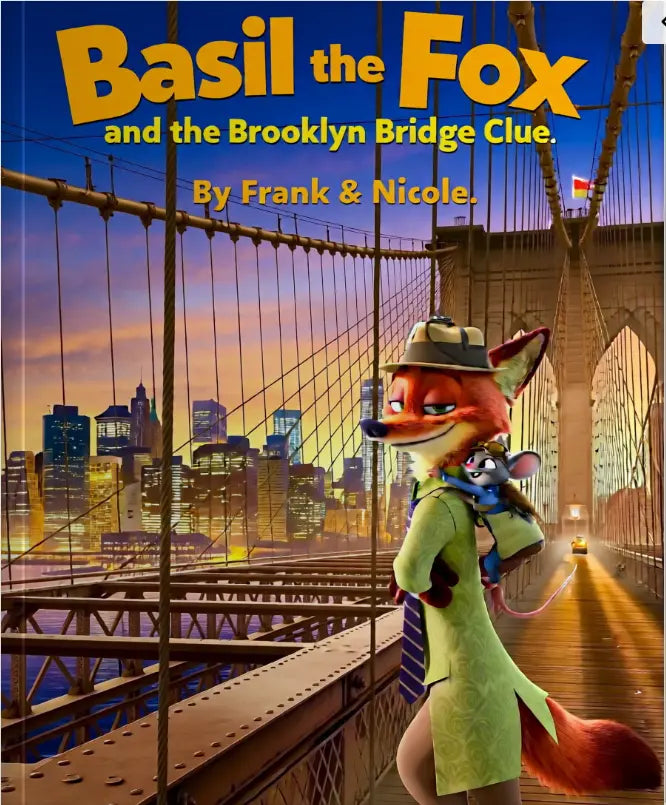
- Brooklyn Bridge clue story
- Central Park secret story
- Acorn Lantern mystery story
Visual Support for Early Reader Engagement
Visual structure matters for comprehension. A book can remain engaging when images support sequencing and emotional recognition. When you use the placeholder ideas below, you create an environment where the child anticipates story beats.
Sequence icons: start, clue, choice, solution
Build Reading Routines That Last
Consistency is a major driver of reading engagement. Children thrive on predictable moments. The goal is not perfection. The goal is connection.
Create a calm, repeatable reading setup
Use the same location and a similar time of day when possible. A consistent setup reduces resistance. Keep lighting comfortable and distractions minimal.
Use a simple session structure
A practical routine includes three parts: preview, read, and reflect. During preview, look at the title and cover and discuss one question. During reading, pause briefly at turning points. During reflection, ask what the child noticed or predicted.
Adjust pacing to the child's stamina
Short sessions can be highly effective. If attention fades, continue with fewer pages next time. Partial success sustains motivation and reduces avoidance.
Balance reading aloud and independent reading
Reading aloud supports listening skills and vocabulary growth. Independent reading strengthens word recognition and confidence. Many families benefit from alternating these modes within the same week.
Reward curiosity, not speed
Children learn to read for understanding when curiosity is valued. Praise attention to details, thoughtful predictions, and respectful listening rather than speed or volume.
Visual Support for Middle-to-Later Stages
As children advance, engagement depends more on reasoning and narrative interpretation. At this stage, visuals can represent story logic. Use the next placeholder ideas to guide reflective discussion.

Story map: clues, motives, choices, resolution
Conversation and Activities That Deepen Engagement
Conversation converts entertainment into learning. Activities also help children remember key story elements. Choose options that fit the child's temperament and schedule.
Try the three-question discussion loop
After reading, ask:
- What happened first?
- What was the biggest problem?
- What helped solve it?
This loop builds narrative structure and supports comprehension.
Create a clue wall for mystery stories
For clue-based plots, list clues and what each clue suggests. You do not need to use any printed materials. The activity can be done with a notebook or a simple grid. It teaches hypothesis thinking.
Do role-based retelling
Ask the child to retell the story as a character. Role-based retelling encourages empathy and strengthens sequencing. Keep the retelling brief to preserve enthusiasm.
Practice prediction at natural turning points
Stop when the story introduces new information. Ask what the child expects and why. Later, return to confirm or revise the prediction. This practice teaches critical thinking and reduces rigid certainty.
Turn themes into gentle creative work
Children can draw a scene, write a short caption, or create a map of the story world. Creative work should be framed as exploration, not performance. This helps maintain a positive reading identity.
Measuring Progress Without Pressure
Parents and educators often worry about measuring reading progress. A healthier approach is to track engagement indicators rather than scores.
Observe comprehension through short summaries
After a chapter, ask the child to summarize in a few sentences. If the child includes key events and reasons, comprehension is strengthening. Over time, the summary becomes more accurate and more organized.
Notice vocabulary transfer
Engaging stories influence language use. Listen for whether the child starts using words from the book during conversation. Even small transfers indicate that reading is contributing to language development.
Track confidence and willingness to read
Confidence often predicts continued progress. If the child requests the next chapter, reads longer stretches, or asks to re-read favorite pages, engagement is improving.
Use reflection rather than correction
When a child is mistaken, focus on curiosity. Ask what clue led to the idea and whether another clue changes the conclusion. This method encourages learning without fear.
Tips for Selecting and Supporting Engaging Children's Literature
- Select books with clear goals for characters and a logical problem-solving sequence.
- Choose language that is challenging but supported by context and illustrations.
- Read for connection by asking brief, thoughtful questions at turning points.
- Re-read favorites to strengthen fluency and narrative recall.
- Use interest-based choices to sustain motivation, especially in early stages.
- Focus praise on attention, reasoning, and empathy rather than speed.
- Balance story enjoyment with short reflective activities that build comprehension.
FAQs
What makes engaging children's literature different from ordinary stories?
Engaging children's literature typically includes clear narrative structure, meaningful character choices, and themes that invite discussion. It also supports comprehension through language clarity and visual or contextual cues.
How can I select a book without knowing the exact reading level?
Start with the child's interests and review sample pages for clarity of sentence length, vocabulary repetition, and illustration support. During the first reading session, watch for frustration or loss of attention and adjust by shortening sessions or choosing simpler text.
How often should we read to build long-term engagement?
Consistency matters more than duration. Short sessions on multiple days often work better than occasional long readings. If the child enjoys the experience, engagement usually increases naturally over time.
Are mystery stories appropriate for younger children?
They can be appropriate when the clues are clear, the tone is age-appropriate, and the story resolves problems constructively. Mystery engagement grows when adults guide discussion and help connect clues to reasonable conclusions.
Call to Action
If you want to support engaging children's literature through structured storytelling, explore mystery adventures from FN Library Online. Consider starting with a Basil the Fox clue title and reading it together using the routine and discussion prompts described above. Visit Whispering Map or choose a multi-book discovery path with the City Mystery Bundle.
Disclaimer
This article provides general guidance for choosing and using children's books. It is not medical, educational, or legal advice. For concerns about learning or reading development, consult a qualified professional.


Never give up. Today is hard, tomorrow will be worse, but the day after tomorrow will be sunshine.”

