

Updated on: 2026-05-29
Story collections for kids help children grow their imagination through many short adventures. They support reading stamina, vocabulary development, and recurring character connections. When families choose the right themes and structure, children gain confidence and motivation to read more. A well-curated collection also makes bedtime routines easier and more consistent.
Table of Contents
Introduction
Choosing what children read matters. Parents and educators often look for books that feel enjoyable, but also deliver learning value. Story collections for kids are a strong option because they offer multiple stories within one clear experience. Instead of waiting for the next chapter of a long book, children can complete an adventure, meet new ideas, and keep momentum. This format also makes it easier to match reading time to real schedules, whether for classroom reading or a short evening routine.
Key Benefits
Builds reading confidence: Shorter stories reduce pressure and support frequent success.
Expands vocabulary naturally: Each story introduces new words in a meaningful context.
Strengthens comprehension: Repeated practice with beginnings, middles, and endings supports understanding.
Encourages imagination and creativity: Children visualize scenes, emotions, and problem-solving moments.
Supports character attachment: Recurring protagonists and worlds help children track growth over time.
Improves listening and discussion: Families can talk about choices, consequences, and themes after each story.
Step-by-Step Guide
Choose an age-appropriate reading level
The first decision should be complexity. For early readers, prioritize clear sentence patterns, visible story structure, and familiar concepts such as friendship, curiosity, and everyday problem-solving. For older children, consider collections that include more layered plots, stronger dialogue, and richer descriptions. Aim for a level where children can understand most of the meaning without losing attention. When a child frequently stops because of too many difficult words, the collection will not build confidence.
Pick engaging themes and emotional arcs
Children connect with stories that reflect their lived experiences and growth goals. Select themes such as persistence, kindness, bravery, and curiosity. Also consider emotional arcs. Many children enjoy stories that begin with a problem, move through uncertainty, and end with resolution. Even light mysteries or discovery adventures can teach cause and effect, reasoning steps, and respectful decision-making.
Use variety in length, pacing, and formats
A collection should feel diverse while remaining coherent. Look for different pacing styles, such as quick adventures that finish in one sitting and slower stories that invite reflection. Variety also keeps motivation steady. Some children prefer dialogue-driven scenes, while others enjoy descriptive settings. By offering different story types, the collection adapts to changing energy levels during the week.
Curate recurring characters and settings
Recurring characters are one of the strongest reasons children return to a collection. When a child meets the same protagonist across multiple stories, they build expectations and learn how the character thinks. Familiar settings also reduce cognitive load. Children can focus on the new problem rather than relearning the world. Over time, this continuity supports stronger comprehension and deeper engagement.

Children track recurring heroes on story maps
Build a consistent reading routine
Consistency turns reading into a habit. Choose a reliable time such as after school, before dinner, or as part of bedtime. Use the collection as a flexible tool: read one complete story, or read a few paragraphs and continue the next day. Short sessions still count. A practical routine also signals that reading is a normal part of daily life, not an occasional event.
Encourage discussion and creative response
After reading, invite a brief response. Questions should be simple and specific. Ask what the character wanted, what problem appeared, and how the character solved it. For creativity, suggest drawing a favorite scene, writing a one-paragraph “next story,” or acting out a conversation between characters. These activities deepen comprehension and increase retention without turning reading into a test.
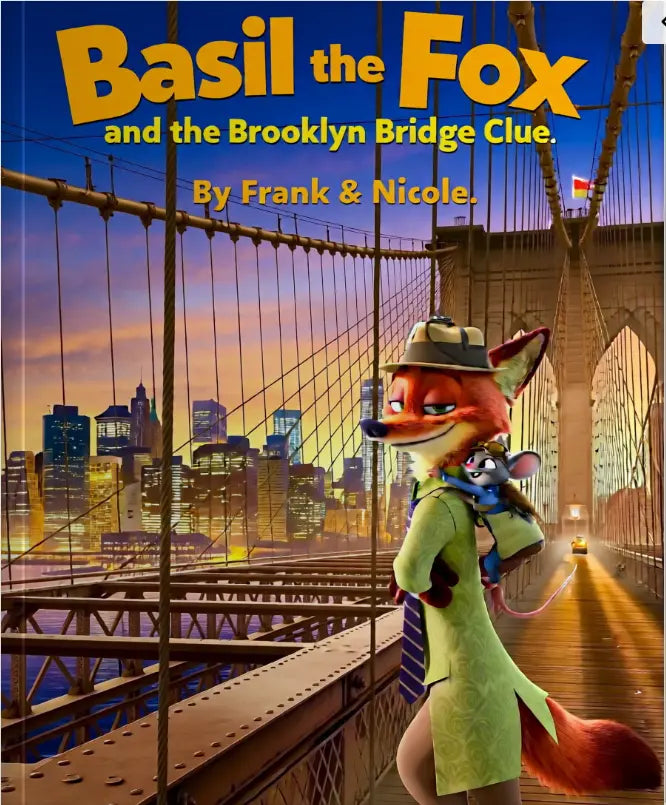
For families exploring mystery and detective-style storytelling, curated digital series can make this approach even easier. When children already enjoy following clues, they can apply the same thinking patterns across multiple cases. This supports logical reasoning and gives children a satisfying sense of closure at the end of each story.
If you are looking for accessible starting points on the FN Library Online digital catalog, consider these options:

Family chats around bedtime stories with calm cues
FAQ Section
How do story collections for kids support reluctant readers?
They provide frequent completion moments. When a child can finish one story and feel closure, motivation increases. Collections also allow parents to pick the next story based on mood, which reduces frustration and supports a steady routine.
What topics are most helpful for children in story collections?
Strong starting themes include friendship, bravery, problem-solving, kindness, curiosity, and managing emotions. Stories that include clear cause-and-effect and respectful choices help children learn decision-making in an engaging way.
Should parents read story collections with their children or let them read independently?
Both approaches work. Shared reading supports vocabulary and comprehension through conversation. Independent reading supports self-efficacy and pacing. A balanced plan often works best: shared reading for complex language, then independent reading for familiar story patterns.
Conclusion and Next Step
Story collections for kids offer an efficient and enjoyable path to stronger reading habits. They combine variety with repeatable structure, which helps children stay engaged while building comprehension skills. If you want a collection that encourages clue-based thinking, character familiarity, and satisfying endings, you can start with a digital series from FN Library Online and build your routine from there.
To find a collection that matches your child’s interests, browse the FN Library Online catalog and choose stories that fit your current reading goals. You can begin with a short, complete adventure and expand as confidence grows.
Disclaimer: This article provides general educational guidance and does not guarantee outcomes for every reader. Reading development varies by child, and parental involvement may support progress.


Never give up. Today is hard, tomorrow will be worse, but the day after tomorrow will be sunshine.”

