
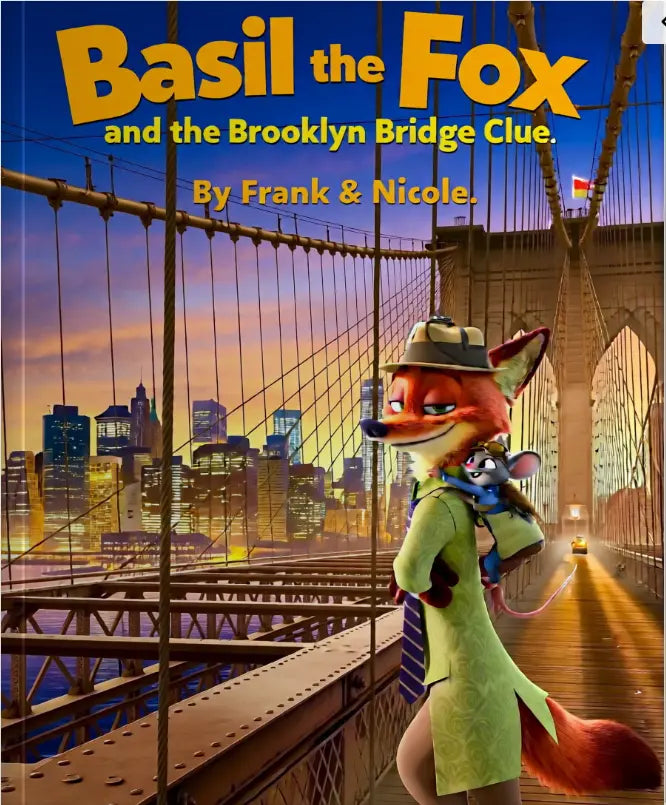

Picture two moments in the same day. In one, you are listening to a business book while driving to work. In the other, you are curled up on the couch with a child, turning colorful digital pages together. That is where the ebook subscription vs audiobooks decision becomes real - not as a tech debate, but as a question of how reading fits into your life.
For many readers, this is not about choosing a winner for everyone. It is about choosing the format that gives you more value, more consistency, and more enjoyment. Families, entrepreneurs, and lifelong learners often need different things from their library, and your best option depends on how you read, when you read, and what kind of experience keeps you coming back.
Ebook subscription vs audiobooks: the core difference
At the simplest level, ebooks ask for your eyes and attention. Audiobooks ask for your ears and your time. That sounds obvious, but it changes everything.
An ebook subscription gives you a visual, often interactive reading experience. You can move at your own pace, skim, reread a paragraph, highlight key ideas, or pause over an illustration with a child. For professional readers, that means more control over how information is absorbed. For parents, it means a shared screen-time experience that can still feel personal, calm, and creative.
Audiobooks, on the other hand, are built for movement. They turn otherwise lost minutes into reading time - on walks, during chores, in traffic, or while cooking dinner. If your days feel packed, audio can make reading possible when sitting down with a screen or page simply is not realistic.
The real trade-off is attention. Audiobooks offer convenience, but they can drift into the background if your task requires too much focus. Ebooks require more dedicated attention, but they often reward that attention with stronger recall and easier note-taking.
Which format is better for learning?
If your goal is skill-building, the answer usually depends on the type of knowledge you want to keep.
For entrepreneurship guides, marketing strategies, and step-by-step education, ebooks often have the edge. You can revisit a framework, bookmark a chapter, and slow down when a concept matters. That is especially useful for readers who are not just consuming ideas, but applying them to a business, side hustle, or career shift. If you are studying a pricing model, building content plans, or reviewing a checklist, visual reading makes those details easier to capture.
Audiobooks can still be powerful for learning, especially for broader ideas, mindset books, biographies, and motivational content. Hearing a strong narrator explain a concept can make it feel more human and memorable. Some readers also stay more consistent with audio because it slips into routines more easily. A book you actually finish is often more useful than the one sitting untouched in your digital shelf.
Still, if your learning depends on charts, examples, formulas, or direct implementation, ebooks usually make the process smoother. If your learning is more reflective, inspirational, or habit-based, audiobooks can work beautifully.
For families, the experience matters as much as the format
Parents are rarely choosing between ebook subscription vs audiobooks in theory. They are choosing what works at bedtime, during quiet time, or on a rainy afternoon.
Ebooks are often the stronger option for family reading because they create a shared visual moment. Children can see characters, colors, and page design. Parents can point to words, talk about pictures, and make reading feel interactive. Printable digital books add another layer of flexibility, since a story can move from screen to paper depending on the day.
Audiobooks can be wonderful for winding down, long car rides, or helping children develop listening skills. A well-narrated story can feel almost cinematic. But younger children often engage more deeply when they can see what is happening, not just hear it. For many families, audio works best as a companion format rather than a full replacement for visual books.
This is where curation matters. A carefully built digital library gives families confidence that what they are opening is age-appropriate, high-quality, and worth their time. That trust becomes part of the reading experience.
Cost and value are not the same thing
A lot of readers compare formats by monthly price, but price alone does not tell the whole story. Value comes from how much useful reading you actually get.
An audiobook service may look convenient, but if you only finish one title a month, the cost per completed book can feel high. An ebook subscription often offers broader access, especially for readers who move quickly across genres or want to sample multiple books before committing to one. That matters for curious readers who want children’s stories one day, a business guide the next, and immersive entertainment on the weekend.
There is also the question of reusability. Ebooks often let you search, revisit, and reference content more easily. That can make one strong digital title valuable long after the first read. For parents, printable features can extend that value even more. For professionals, the ability to return to a chapter before a meeting or project adds practical benefit.
If you are building a reading habit around variety, a membership model can feel more generous than buying individual audiobooks or ebooks one by one. The best digital libraries create an experience that grows with you, instead of making every new interest feel like another separate purchase.
Convenience has different meanings
People often say audiobooks are more convenient, and in one sense, that is true. You can listen while doing something else. But convenience is not only about mobility. It is also about access, flexibility, and how easy a format is to use well.
Ebooks can be instantly available across devices and often feel more adaptable to different settings. You can read for five minutes or fifty. You can pick up exactly where you left off. You can read quietly beside a sleeping child or during a break between meetings. If the platform includes interactive flipbooks, the experience can feel richer than plain text on a screen.
Audiobooks are convenient when your eyes are busy. Ebooks are convenient when your mind needs focus. One helps you fit reading into movement. The other helps you shape a more intentional reading space.
That is why the better question may not be which is more convenient. It may be when each one is convenient for you.
Ebook subscription vs audiobooks for different reader types
For ambitious professionals, ebooks usually win when the goal is action. If you are gathering ideas to use in your business, visual reading gives you more control and better reference points. Audio can support that journey, but it is rarely the best format for every type of professional learning.
For lifelong learners, the answer is more balanced. If you love steady discovery and want reading to follow you through the day, audiobooks may keep you engaged. If you like exploring a digital vault of varied topics at your own pace, ebooks often deliver more range.
For parents, ebooks are often the stronger foundation. Shared reading, visual storytelling, and printable options create more room for bonding and repetition. Audio still has a place, especially for travel or calm listening, but visual books usually carry more of the family reading experience.
And for readers who enjoy immersive storytelling, it may come down to mood. Some stories are better heard. Others are better seen. A great digital library respects both instincts while making the visual experience feel special, not secondary.
So which one should you choose?
Choose audiobooks if your biggest problem is time. They can turn commuting, walking, and chores into reading opportunities and help you stay connected to books during busy seasons.
Choose an ebook subscription if your biggest priority is flexibility, depth, and variety. It is often the better fit for families, for active learners, and for readers who want a premium library they can explore on their own terms. That is especially true when the collection is curated, updated often, and designed to feel like more than a file download.
For many households, the most honest answer is not either-or. It is knowing which format deserves the lead role. If your reading life centers on learning, shared family moments, and instant access to a wider digital collection, ebooks usually offer more lasting value.
That is why membership-based digital libraries continue to resonate with modern readers. When your library can support story time, self-improvement, and quiet discovery in one place, reading becomes easier to sustain and more rewarding to return to. At FN Library Online, that idea comes to life through a growing digital vault built for families, entrepreneurs, and curious readers who want more than a single format can offer.
Your best reading format is the one that fits naturally into your real life - and keeps you excited to open the next book tomorrow.

