

Updated on: 2026-05-07
For many families, e-book bundles for kids offer a simple way to build reading routines with variety. A well-chosen bundle can support different interests, reading levels, and weekly goals. The best bundles also include clear titles, age-appropriate content, and flexible use across devices. With thoughtful selection, families can reduce decision fatigue while maintaining quality and engagement.
Table of Contents
1. Common Challenges
2. Comparison Section
3. Summary & Recommendations
4. Q&A
Choosing what to read is often harder than families expect. Parents and educators want content that is engaging, appropriate, and easy to access. This is where e-book bundles for kids become practical: they help you select multiple stories at once, keep themes consistent, and maintain momentum over time. When you approach bundle shopping with a clear method, you can improve both reading enjoyment and long-term habits.
Common Challenges
Even strong readers can lose interest when books feel random, too difficult, or repetitive in the wrong way. Bundles solve several problems, but they also introduce new decisions. Below are the most common challenges families face, along with actionable solutions.
1) Selecting the right reading level
A bundle is only effective if it matches the reader. When difficulty is too high, frustration rises quickly. When difficulty is too low, learning slows. A practical approach is to evaluate reading level by looking at sentence length, vocabulary variety, and the complexity of the plot. If the child is between levels, prioritize a bundle with adjustable pacing. For example, choose one story that can be reread for confidence and additional stories that gradually increase challenge.
Solution: Start with one “anchor” title that fits comfortably, then add complementary titles. This structure gives the child a sense of control while still encouraging growth.
2) Keeping variety without losing coherence
Many bundle options include many titles, but the themes can feel scattered. That can reduce recall and weaken engagement. Coherence helps the child build mental connections between characters, settings, and vocabulary. Coherent does not mean repetitive; it means purposeful variety under a shared umbrella.
Solution: Choose bundles with a shared reading experience, such as recurring characters, a mystery format, or consistent settings. For example, a story series with a familiar protagonist often supports faster comprehension because the reader already understands the world.

Three reading cards: level, theme, and pacing symbols
3) Making reading fit real schedules
Families often want reading to be short, predictable, and easy to start. If a bundle requires extra steps to access, usage declines. Digital reading should support quick launches and smooth continuation between sessions.
Solution: Ensure the bundle is accessible across commonly used devices. Then plan a lightweight routine: one page range or one short chapter per session. Consistency matters more than duration, especially for early learners.
4) Avoiding content that does not match values and expectations
Parents and educators typically want content that aligns with household expectations. While every family has different standards, the most reliable method is to review descriptions and confirm that themes are age-appropriate. Look for clear language on tone, character behavior, and overall learning direction.
Solution: Use bundle descriptions to screen for themes. If you are choosing for a school environment, check that stories support classroom norms and that reading sessions can be discussed with children.
5) Managing long-term motivation
Motivation changes with age. Older children may want more agency, while younger readers may respond best to predictable story structures. Bundles can support both if they are selected strategically. A strong bundle offers multiple entry points, such as mysteries, adventures, or problem-solving narratives.
Solution: Rotate among formats. For example, alternate between a story with fast momentum and a story that invites careful attention. This helps children avoid “reading burnout” and keeps attention steady.
If you want an example of how curated bundles can support sustained interest through connected storytelling, you can explore related offerings here: City Mystery Bundle.
Comparison Section
Not every family needs the same approach. The best option depends on the reader’s age, current reading habits, and the family’s goals. The comparisons below focus on practical outcomes rather than marketing promises.
| Option | Pros | Cons | Best for |
|---|---|---|---|
| Single e-book | Focused choice, simple decision-making, easier to match a specific interest | Less variety, may require repeated searching over time | Families testing a new author or theme |
| Curated e-book bundles for kids | Variety with a shared thread, easier to build routines, usually more value per title | Requires careful level and theme selection upfront | Growing reading libraries and consistent weekly habits |
| Random collections | May feel broad and exploratory | Can be inconsistent in tone and level, making pacing harder | Older readers who choose independently |
What to evaluate in any bundle
- Age alignment: Ensure themes and vocabulary fit the intended stage.
- Format and device compatibility: Choose bundles that integrate smoothly into daily reading.
- Story structure: Look for clear beginnings, satisfying endings, and meaningful character choices.
- Reread potential: Choose stories with strong hooks, such as clues, humor, or recurring motifs.
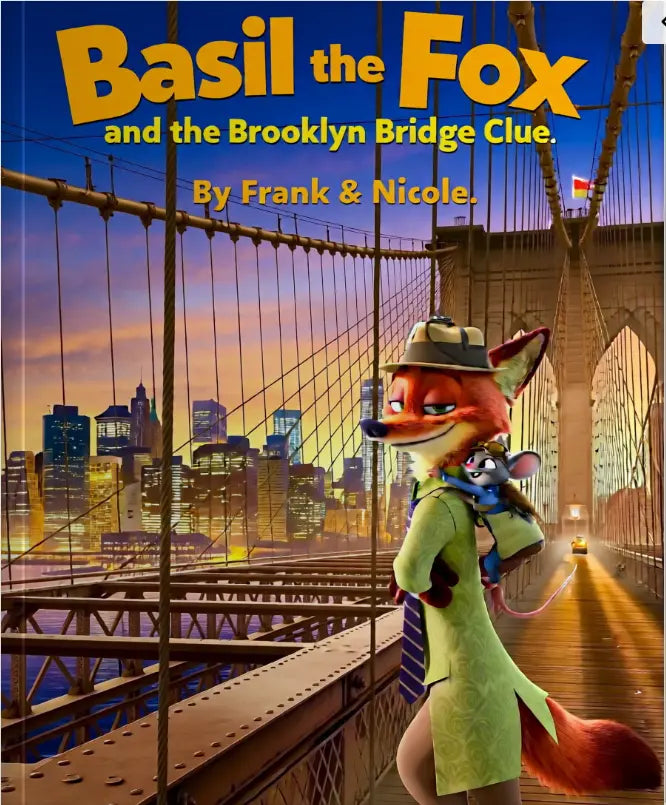
Some families prefer mystery adventures because they encourage attention and vocabulary growth through clue-following. For example, series-based content can make it easier for children to remember names, locations, and story logic. If you want targeted mystery options, you may consider related reads such as Seine River Clue or Brooklyn Bridge Clue.
In case you also manage purchases for other family needs, the same principle of choosing with fit and context can apply across categories. For an unrelated but useful perspective, you may review this guide: Premium Women’s Shoes: How to Choose the Right Fit.

Checklist layout: level fit, theme fit, routine fit icons
Summary & Recommendations
E-book bundles for kids work best when they are selected with a clear plan. Instead of buying multiple titles without structure, you should aim for coherence, appropriate difficulty, and convenient access. When you do that, the child is more likely to build trust in reading and return to stories independently.
Recommended approach
- Choose one entry point: Select a title that matches the child’s comfort level and can be reread.
- Add complementary stories: Include additional books that share tone or characters so the child builds familiarity.
- Plan a simple reading routine: Short sessions create consistency, and consistency creates momentum.
- Monitor engagement: If the child consistently avoids a specific story, adjust quickly with an easier or more interesting alternative.
How to pick a bundle with confidence
Start with the reader’s interests. Then check level and format. Finally, confirm that the bundle supports the way your household reads. Some readers thrive with mysteries and problem-solving narratives, while others prefer character-driven stories and gentle adventures. A bundle should not force a mismatch; it should offer choices that still fit the same general experience.
If you are exploring series-style selections, consider related options such as Central Park Story or Whispering Map. For families who prefer a complete set, you can also evaluate multi-title bundles like City Mystery Bundle.
Practical next steps
Before finalizing a purchase, decide what outcome matters most. If the goal is smoother routines, prioritize device access and consistent reading length. If the goal is curiosity, prioritize bundles with a strong narrative structure and recurring characters. If the goal is variety, prioritize bundles with multiple story arcs that still remain thematically connected.
Q&A
Are e-book bundles for kids appropriate for different reading levels in the same household?
Yes, they often are. Many bundles include a range of story pacing and complexity, and families can split titles between children. For shared stories, parents can read aloud the more challenging titles while children practice independently with easier companion titles. This approach supports both confidence and growth.
How do parents decide whether a bundle will hold a child’s attention?
Look for a clear promise in the descriptions, such as mystery-solving, recurring characters, or engaging settings. Then evaluate the story structure implied by the titles. Stories with clue-driven plots and consistent character goals usually encourage sustained attention. If possible, choose a bundle that includes at least one highly relatable “starter” title.
What is the most effective way to introduce a new bundle to a child?
Introduce the bundle by selecting one title for the first session and setting a realistic reading goal, such as a short segment or one chapter. Keep the first experience positive by starting with the most comfortable story. After a successful session, offer a choice between two titles from the same bundle to maintain a sense of control.
Do I need to reread books from a bundle to get value?
Rereading is beneficial but not mandatory. A bundle provides value through variety and selection. Rereading can improve fluency and vocabulary, especially for early readers, but each family can determine how often rereading is appropriate based on the child’s interest.
Disclaimer: This article provides general educational guidance. It does not constitute medical, legal, or professional advice. Reading suitability depends on individual circumstances, family preferences, and content descriptions provided by sellers.


Never give up. Today is hard, tomorrow will be worse, but the day after tomorrow will be sunshine.”

