
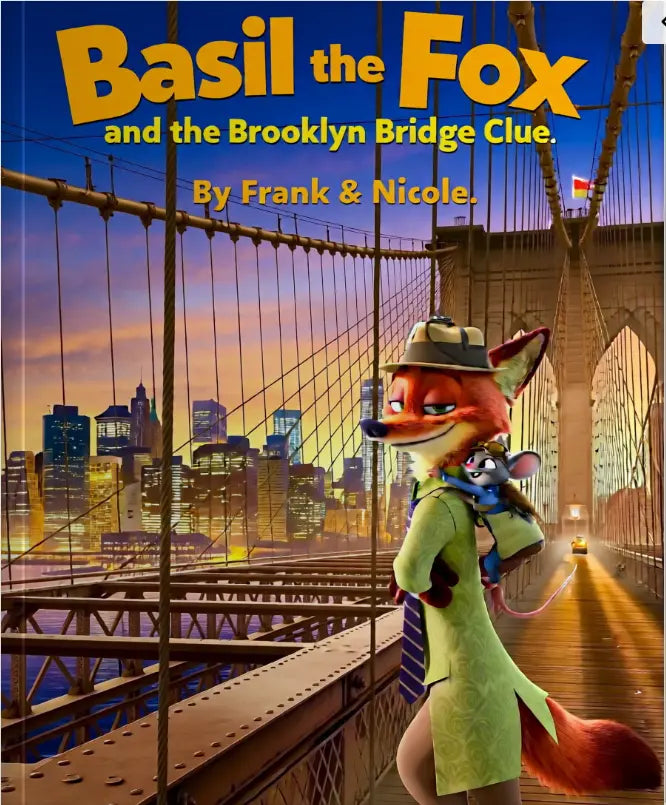

A child taps a glowing star on the page, and suddenly the forest hums, the owl blinks, and the story feels alive. That small moment explains why interactive storybooks have become such a meaningful part of modern family reading. They do more than add motion or sound. When designed well, they turn reading into an active experience that invites curiosity, attention, and emotional connection.
For parents, that matters. The real challenge is rarely access to content. It is finding stories that hold a child’s focus without turning reading into passive screen time. For digital-native families, interactive formats can bridge that gap beautifully. They can support literacy, spark imagination, and still feel warm, intentional, and shared.
What interactive storybooks do differently
Traditional books ask children to picture the world in their minds. That remains valuable and irreplaceable. Interactive storybooks simply add another layer. A child might hear a character speak, tap to reveal details in an illustration, or make simple choices that shape the pacing of the scene.
That extra layer changes how many children relate to reading. Instead of watching a story happen from a distance, they participate. For early readers especially, participation can be the difference between drifting away and staying engaged for the next page.
This does not mean every digital effect improves a book. Some features are distracting. Some interrupt the rhythm of the story. The best interactive experiences support the narrative rather than compete with it. A sound cue should deepen mood. A tap-to-animate moment should reward attention. A choice should reveal character or consequence, not just create noise.
Why kids respond so strongly to interactive storybooks
Children are naturally drawn to cause and effect. They touch, swipe, press, and test the world around them to see what happens next. Interactive storybooks align with that instinct. They make reading feel responsive.
That sense of response can build confidence. A reluctant reader may hesitate with a dense page of text, but become curious when a page invites exploration. A younger child who cannot yet read independently can still participate by tapping, listening, and following visual cues. That shared success matters because confidence often comes before fluency.
There is also an emotional benefit. When children can influence pacing or discover hidden story details, they form a more personal bond with the book. The story becomes theirs, not just something delivered to them. In family reading time, this often leads to more questions, more discussion, and more delight.
The literacy benefits are real, with one important condition
Parents sometimes wonder whether digital reading weakens reading skills. The honest answer is that it depends on the quality of the experience. Interactive storybooks can support vocabulary, listening comprehension, sequencing, and word recognition, but only when the interactive elements work in service of the text.
For example, highlighted narration can help children connect spoken and written words. Gentle animation can reinforce meaning in a scene. Repeatable sound cues and touch-based discovery can help children revisit details they missed the first time. These features can be especially useful for emerging readers who benefit from repetition without boredom.
But there is a trade-off. If every page is overloaded with buttons, sounds, and side activities, the child may focus on tapping rather than reading. In that case, the book behaves more like a game than a story. There is nothing wrong with games, but they serve a different purpose.
The strongest digital books respect the structure of storytelling. They give children room to wonder, predict, listen, and absorb. The interactivity is there to support comprehension, not replace it.
How parents can choose better interactive storybooks
Quality matters more than novelty. A polished reading experience usually feels calm, intuitive, and purposeful. You should be able to tell what the story is about within moments, and the interactive features should feel connected to the characters, setting, or plot.
Look at pacing first. Does the book move naturally from one scene to the next, or does every page stop the story cold? Then consider visual design. Strong illustrations invite attention without becoming cluttered. Audio should be clear and pleasant, not loud for the sake of excitement.
It also helps to think about replay value. A good story can be revisited because children notice something new each time, not because the app is constantly demanding clicks. That is a subtle difference, but an important one.
For families, flexibility matters too. Printable options, device-friendly formats, and easy access across reading moments all make a difference. Sometimes a child wants a bedtime read on a tablet. Other times, a parent wants to print pages for a quieter offline afternoon. Great digital publishing respects both kinds of use.
Interactive storybooks and the new family reading routine
Family reading does not look exactly the way it did ten years ago, and that is not automatically a loss. Many households now move between printed pages, audiobooks, tablets, and smart screens in the same week. The goal is not to force one format to do everything. The goal is to build a reading life that feels rich, consistent, and realistic.
Interactive storybooks fit naturally into that rhythm because they meet families where they already are. They are instantly accessible, easy to revisit, and well suited to short reading windows. A parent can share a story during a car wait, after dinner, or before bed without needing to plan around shipping times or physical storage.
That convenience has real value, especially for busy parents who still want reading to feel special. Digital access can remove friction without removing warmth. The story still matters. The shared laughter still matters. The quiet pause after a meaningful ending still matters.
Why curation matters more than ever
The digital market is crowded. There are wonderful books available, but there is also a flood of rushed, noisy content that confuses stimulation with quality. That is why curation matters.
Families and lifelong readers do not just need more titles. They need trusted selections that respect their time and attention. A carefully built digital library can offer something far more useful than endless browsing. It can offer confidence. Parents know the content is age-appropriate and thoughtfully made. Readers know they are entering a collection shaped by standards, not randomness.
This is where a premium membership model starts to make sense. Instead of buying isolated files and hoping they deliver, readers gain access to a living library that grows over time. New discoveries arrive regularly, and the reading experience becomes part of a larger journey rather than a one-time transaction.
For a platform like FN Library Online, that idea feels especially relevant. Families can move from children’s storytelling to printable reading options to immersive digital formats inside one curated vault, with fresh additions that keep the experience alive week after week.
Interactive storybooks are not replacing books
This point matters. Interactive storybooks are not here to replace print, imagination, or traditional read-aloud moments. They are another format, and like any format, they work best when used thoughtfully.
Some nights call for a classic printed picture book and a quiet lamp. Some moments call for a digital story that sparkles, speaks, and invites a child to participate. Healthy reading habits can include both. In fact, many families find that one format strengthens the other. A child who falls in love with a digital story world may become more curious about printed books too.
That is often the hidden value of a strong interactive experience. It does not narrow a child’s relationship with reading. It expands it.
What this means for the future of reading
The future of children’s reading will likely be more blended, more visual, and more flexible than the past. That does not need to worry us. It should challenge publishers and parents to ask better questions. Is this story well told? Does the format support attention? Will a child leave this experience more curious, more connected, or more eager to read again?
Those are the standards that matter.
When interactive storybooks are created with care, they bring together the best parts of digital access and timeless storytelling. They offer movement without chaos, novelty without emptiness, and convenience without sacrificing heart. For families raising readers in a screen-filled world, that balance is not a luxury. It is the difference between content that passes the time and stories that stay with a child long after the screen goes dark.
If you are building a richer reading routine at home, choose the kinds of stories that invite children to participate, imagine, and return for one more page. Your journey to knowledge starts here, and for many young readers, it begins with a story they can touch.

