

Updated on: 2026-05-18
Interactive stories for children turn reading into active participation. They support vocabulary growth, attention, and social-emotional learning through choices and cause-and-effect. With the right format, children can practice decision-making while staying engaged. Parents and educators can also tailor difficulty and themes to match each child’s interests. This guide explains how to choose, use, and recommend interactive storytelling with confidence.
1. What Interactive Stories for Children Are
2. Why Interactive Stories Work
Interactive Stories for Children: What They Are and How They Differ
Interactive stories for children are narrative books that invite the reader to influence what happens next. Instead of only following a fixed plot, children make choices through prompts, clues, or branching paths. The story responds to those actions, so the child experiences a meaningful connection between decisions and outcomes.
This format is different from standard picture books, even when the language level is similar. In a traditional story, comprehension focuses on understanding what the author decided. In an interactive story, comprehension also includes predicting consequences and interpreting evidence.
Interactive storytelling can take many forms. Some books ask children to choose between options. Others guide children through puzzles, mystery clues, or “what would you do” moments. Many also include repeated patterns, where children revisit a setting and apply new information each time. Over time, this structure helps children understand narrative flow and develop reading stamina.
Why Interactive Stories Work for Learning and Engagement
Children often learn best when they feel agency. Interactive stories for children provide that agency in a safe, structured environment. A child is not required to “perform” or “get the answer right.” Instead, the story provides feedback through the next page, the next scene, or the next clue.
Below are practical learning mechanisms that educators and parents regularly observe when interactive formats are used well.
- Active comprehension: Children listen and read with purpose, because upcoming pages depend on prior choices or information.
- Stronger vocabulary: Clue-based scenes and decision moments naturally introduce new words in context.
- Improved attention: Engagement increases when each page carries an implied task.
- Cause-and-effect thinking: The story shows results, which supports reasoning and reflection.
- Social-emotional practice: Children can discuss choices calmly and learn to explain their reasoning.
These benefits are especially clear when adults participate thoughtfully. Adults do not need to teach in a lecture style. They can ask open questions, invite predictions, and celebrate effort. The goal is to build confidence and curiosity.

Child pointing at story choices and clue icons
Product Spotlight: Story Clue Adventures for Curious Readers
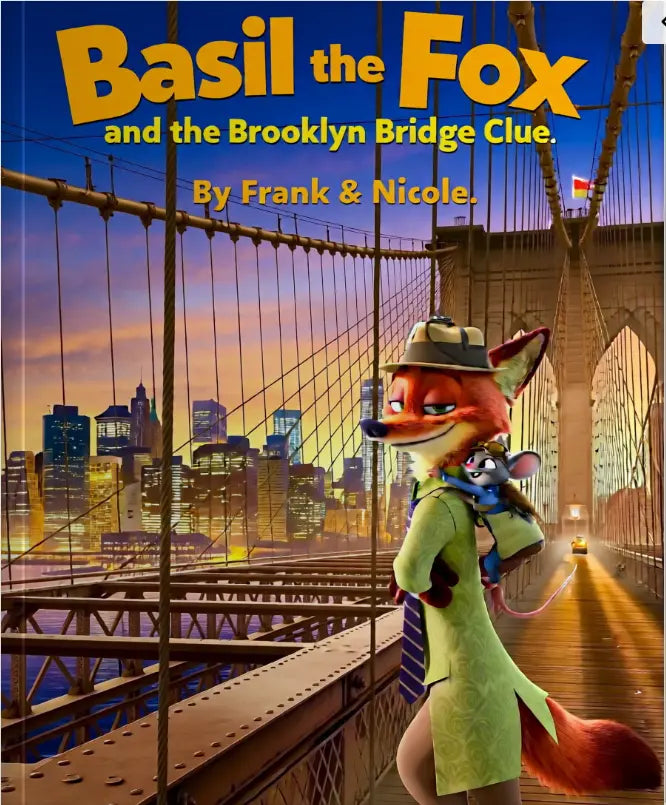
When you want interactive stories for children that also feel cohesive and immersive, clue-based mystery adventures are a strong option. A good example is the Basil the Fox series and related clue books. These stories combine playful characters with detective-style moments, where children engage with evidence and follow a guided mystery thread.
One major benefit of this style is that it naturally balances structure with discovery. The child is never left without direction. At the same time, the child is invited to notice details and connect clues to outcomes. This supports comprehension while keeping the reading experience exciting.
If you want a larger set for repeated sessions, consider the bundle option. A bundle helps families maintain continuity and repeat the same “reading habit” across multiple themes. That repetition is useful because children can compare how clues work in different settings while still learning the same core narrative skills.
- Explore the City Mystery Bundle
- Try the Seine River Clue
- Try the Brooklyn Bridge Clue
- Try the Central Park Mystery
Step-by-Step How-To Use Interactive Stories for Children
Interactive storytelling works best when it is routine, supportive, and intentional. The following steps help you create a learning-friendly experience without turning reading time into a test.
1. Choose an appropriate reading session
Select a calm moment with enough time for discussion. Short sessions are acceptable. The key is consistency so children associate the format with curiosity rather than pressure.
2. Preview the “interaction style” before you start
Before reading pages that contain choices or clues, briefly explain how interaction works in that story. For example, you can say that the child will make a decision or search for evidence. Keep the explanation short so the narrative remains the focus.
3. Pause at decision points and ask for predictions
When the story prompts a choice, stop and ask what the child thinks will happen next. Use questions such as: “What do you notice?” and “What makes you think that?” This encourages evidence-based thinking.
4. Encourage explanation, not perfection
If the child chooses something unexpected, treat it as a valid attempt. Ask the child to explain the reasoning. Then continue reading. Learning improves when children feel safe to try and revise their thinking.
5. Reinforce vocabulary through context
When a new word appears, connect it to the scene. Rather than giving long definitions, ask how the word fits the situation. This supports comprehension and retention.
6. Use a simple reflection after the final page
After the story ends, ask one reflection question. For example: “Which clue mattered most?” or “What choice would you make differently next time?” Keep it brief and positive.
Personal Experience: How Interactive Stories Changed My Reading Time
There was a period when I believed children only needed stories that were entertaining. I assumed the learning value would happen automatically through exposure. Then I observed a clear shift during family reading sessions with interactive, clue-driven stories.
At first, one child treated the reading prompts like a guessing game. The child chose quickly and moved on. After a few sessions, I started pausing slightly longer at clue moments and asking one consistent question: “What are you using to decide?” The child began pointing at details in the text and describing what those details suggested.
Within a short time, the reading became more collaborative. The child enjoyed predicting outcomes, and the adult role shifted from explaining to guiding. Even when the child’s predictions changed later, the child remained engaged because the story kept updating the logic. That experience reinforced a key principle: interactive storytelling is most effective when adults help children connect choices to evidence.

Flowchart of choices leading to different mystery outcomes
Summary & Recommendations for Families and Educators
Interactive stories for children combine narrative enjoyment with meaningful participation. They support active comprehension, vocabulary growth, cause-and-effect reasoning, and reflective conversation. The format works well because children can influence what happens next and learn through feedback embedded in the story.
To achieve the best results, prioritize supportive facilitation. Choose a calm session, preview how the child will interact, pause at decision points, and ask for evidence-based predictions. After the story ends, invite a short reflection so the learning transfers to the child’s understanding of stories in general.
If you want an accessible entry point, consider clue-based mystery adventures in a consistent series. Start with one story, observe the child’s interests, and then expand with additional titles or a bundle. The goal is to build steady engagement, not to complete every book at once.
Suggested starting approach
- For new readers: Start with a single, clue-focused story and read together once or twice.
- For confident readers: Encourage the child to explain the decision using details from the text.
- For classroom settings: Use group reading with brief pauses so children can discuss clues and justify choices.
For more curated digital storytelling options, you can browse additional titles from FN Library Online:
- Discover Professor Paws Adventures
- Explore The Acorn Lantern Mystery
- Try The Missing Midnight Key
- Try The Whispering Map Clue
Call to action: Choose one interactive mystery story that matches your child’s interests, read it together, and note which prompts create the most thoughtful conversation. Then select the next title to build momentum and consistency.
Disclaimer: This article provides general educational and parenting guidance and does not replace professional advice. Results vary by child, reading environment, and adult involvement.
Q&A: Common Questions About Interactive Stories for Children
How do interactive stories for children support language development?
They place new words inside meaningful actions and scenes. Children hear and read vocabulary in context while making choices that require comprehension. When adults ask short, evidence-based questions, children also practice describing meanings and using words accurately.
Are interactive stories suitable for children who dislike reading?
Often, yes. Interactive formats can reduce passivity by giving children a role. The key is supportive pacing. Choose shorter sessions, emphasize curiosity, and avoid turning prompts into quizzes. When children feel safe to explore, reading resistance usually declines.
What age range benefits most from clue-based interactive storytelling?
Clue-based stories typically work well across a wide range because they can be supported with discussion. Younger children benefit from adult guidance that highlights details. Older children benefit from independently justifying choices and reflecting on cause-and-effect patterns.
How can parents make interactive reading more engaging without pressure?
Use one discussion question per decision point, such as what the child notices or what evidence matters. Celebrate reasoning, not speed. Keep reflection after the story brief and positive so reading time remains enjoyable and sustainable.


Never give up. Today is hard, tomorrow will be worse, but the day after tomorrow will be sunshine.”

