

Updated on: 2026-06-13
Creative learning through stories turns lessons into memorable experiences. It supports reading comprehension, vocabulary growth, and focused attention. It also helps learners connect ideas to real emotions and everyday decisions. When you choose story-based resources, you create a consistent learning rhythm that feels natural rather than forced.
Table of Contents
Creative learning through stories offers an evidence-informed, human-centered way to teach and practice skills. Stories provide context, momentum, and meaningful patterns. They invite learners to predict outcomes, interpret meaning, and evaluate cause and effect. In a digital learning environment, story-led content also makes it easier to sustain motivation and to revisit concepts without repeating the same lesson in the same format.
This guide explains how to select story-based learning materials and how to use them in a structured way at home, in tutoring, or in classroom settings. You will find practical steps, a buyer-focused checklist, and answers to common questions. The goal is simple: help you build learning routines that stay engaging while still remaining instructional and measurable.
Buyer’s Checklist
Before you purchase story-based materials, evaluate them with the same care you would apply to any learning resource. Use the checklist below to confirm that the content matches the learner’s needs, learning goals, and reading level.
- Clear learning intent: Choose stories that align with specific skills such as comprehension, critical thinking, vocabulary, or sequencing.
- Age-appropriate complexity: Confirm that sentence length, vocabulary, and plot structure match the learner’s current level and growth targets.
- Strong narrative structure: Look for a beginning, middle, and end, as well as consistent character motivations and logical cause and effect.
- Meaningful repetition: Story elements should repeat in purposeful ways, such as recurring themes, repeated problem-solving steps, or returning locations that reinforce understanding.
- Discussion potential: Select materials that naturally prompt questions, reflections, and short retellings.
- Usable format: Ensure the content supports convenient reading sessions and easy re-access for review.
- Credible themes: Prefer stories that encourage empathy, resilience, and respectful decision-making, without relying on shock value.
- Support for independent reading: If the learner reads alone, verify that the story remains coherent and understandable without constant adult intervention.
If you want a structured pathway, consider story series that build skill through progressive mysteries and recurring characters. For example, you may review a bundle option here: Basil the Fox bundle.

Illustration of a quest map, clues, and speech bubbles
Story-led learning works best when the learner can see the path from question to resolution. A simple mental model helps: each chapter acts as a step, each clue supports reasoning, and each turn of events strengthens comprehension. When the structure is clear, learners are more likely to stay engaged and to apply skills consistently across sessions.
Step-by-Step Guide
Once you choose the right materials, use a repeatable routine. This creates learning momentum and improves the chance that skills will transfer from reading to real communication.
- Set a focused reading goal: Choose one skill for the session. Examples include identifying the main idea, tracking clues, or summarizing each section in one sentence.
- Preview the story frame: Before reading, review the setting and the central conflict. Ask what the learner thinks will happen and why.
- Read in short segments: Use chapters or scenes as units. Short segments reduce fatigue and increase completion rates.
- Pause for quick comprehension checks: Ask questions that require explanation, not only yes-or-no answers. For instance, ask what evidence supports an idea.
- Model vocabulary in context: When an unfamiliar word appears, explain it using the surrounding sentence. Encourage the learner to reuse the word in a new sentence.
- Use clue-based thinking: For mystery-style stories, train reasoning with a consistent method: list what is known, what is suspected, and what must be verified.
- Summarize immediately: End each segment with a short retell. Use a three-part structure: beginning, turning point, and outcome.
- Reflect on character decisions: Ask learners to evaluate motives and consequences. This supports moral reasoning and social understanding.
- Extend with a small practice task: Choose one task per session: draw a simple timeline, write a prediction, or rewrite one scene in the learner’s own words.
- Review using re-reading: On a later day, re-read a short section. Ask the learner to spot details that were missed previously.
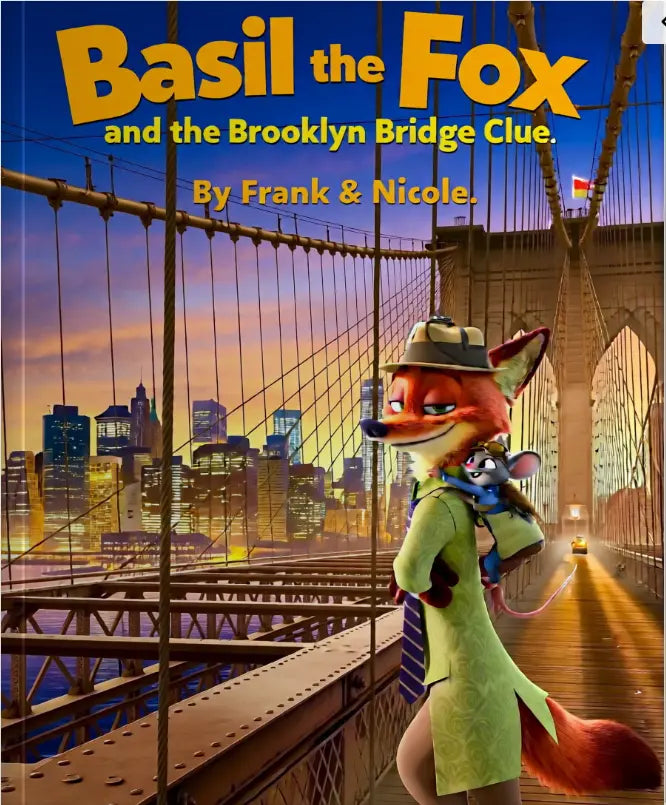
To support this method, you can pair standalone mysteries with a consistent character universe. This helps learners recognize patterns across stories and improves long-term retention. If you prefer a single, focused title, consider the following options: Seine River clue or Brooklyn Bridge clue.

Timeline with checkpoints, predictions, and an evidence column
As learners progress, the goal shifts from decoding text to applying reasoning. A clue-based timeline encourages careful thinking. Evidence columns also strengthen comprehension by forcing learners to connect claims to details.
If you want additional variety while keeping the same learning style, select a plot that offers new settings and fresh problem patterns. For continued momentum, you can explore another related title such as Central Park mystery. This approach preserves routine while expanding exposure to different narrative structures and language patterns.
How creative learning through stories supports measurable progress
Story-based learning can be evaluated with practical indicators. Learners often show improved recall when they can summarize sequences and describe motivations. They also tend to build stronger vocabulary when words appear in repeated story contexts. Additionally, narrative practice supports structured thinking because learners must track who, what, where, and why across scenes.
In a tutoring plan, you can track progress through brief checks. Examples include identifying the main idea, explaining why an event happened, and retelling events in the correct order. In self-guided reading, you can track progress through completion rates and the quality of the learner’s summaries. When the routine is consistent, improvements become visible over time.
FAQ
What does creative learning through stories mean in practical terms?
It means using narrative content as the primary teaching structure. Instead of learning concepts in isolation, learners encounter ideas inside a story world. They then practice understanding through prediction, retelling, vocabulary use, and cause-and-effect reasoning. The story provides context, and the learner practices skills through guided reflection.
How do I choose the right story level for a learner?
Start with comprehension rather than speed. The learner should be able to follow the plot with manageable support. If too many words block understanding, choose an easier level or shorter segments. If the learner can summarize scenes and explain motivations, the material is likely appropriate. If the learner repeatedly loses the storyline, the content may be too complex for current skills.
How often should story-based learning sessions be used?
Use short, consistent sessions rather than rare long sessions. A reliable cadence improves memory and attention. For many learners, a routine that includes previewing, reading in segments, and a brief practice task at the end of each session works well. Consistency supports skill transfer because learners encounter similar structures across days.
Can story-based learning work for different learning goals?
Yes. Stories support multiple goals, including reading comprehension, vocabulary development, sequencing, critical thinking, and communication practice. Mystery narratives can strengthen reasoning with evidence. Character-focused plots can strengthen empathy and reflective decision-making. Even informational story elements can help learners organize ideas into structured summaries.
Conclusion and CTA
Creative learning through stories is a practical, repeatable approach that helps learners stay engaged while building core academic and communication skills. When you combine intentional story selection with a structured reading routine, you create an experience that feels meaningful and remains instructional.
To begin, choose one story title aligned with your current goals, then apply the step-by-step routine for several sessions. If you want variety with continuity, consider exploring a bundle or a sequence of mysteries from the same series. You can start with a bundle here: city mystery bundle, or select a specific clue story such as Missing Midnight Key.
For additional confidence in your selection, review what you want learners to practice in the next two weeks: comprehension, vocabulary, sequencing, or reasoning. Then match that goal to a narrative format that naturally supports discussion and evidence-based thinking.
Disclaimer: This article is for educational and informational purposes only. It does not provide medical, psychological, or legal advice. Learning progress varies by individual circumstances, and readers should adapt any learning plan to the needs of the learner.


Never give up. Today is hard, tomorrow will be worse, but the day after tomorrow will be sunshine.”

