

Updated on: 2026-06-13
A digital library for children can make reading more consistent, accessible, and engaging. It helps families build routines without relying on physical copies or limited shelf space. With age-appropriate formats and curated collections, children can explore stories that match their interests and reading level. When you select the right platform and set simple habits, digital reading becomes a positive daily experience.
Personal Experience or Anecdote
When I helped organize a family reading routine, the main challenge was not motivation. It was access. Books were stored in multiple places, and it took time to find the right title. On busy days, reading became the first activity to lose. Over time, I saw that consistency improved when children could open stories immediately and choose from a small, well-curated set.
That observation is the practical reason many families consider a digital library for children. The goal is not to replace every printed book. The goal is to reduce friction. If a child can access a story in seconds, then reading is more likely to happen before the day becomes too full.

Reading icons, library cards, and choice prompts
Key Advantages
Choosing a digital library for children offers several advantages that support learning, growth, and everyday family life. Below are the most impactful benefits to consider.
- Instant availability for daily routines: Children can start reading quickly, which helps establish habits that last.
- Curated access to age-appropriate content: A well-organized library reduces the risk of random searching and supports thoughtful selection.
- Supports different reading levels: Families can match stories to current skills and gradually increase complexity.
- Greater flexibility for busy households: Travel, appointments, and changing schedules do not interrupt access to stories.
- Encourages independent choice: When children can select from a focused list, motivation typically increases.
- Built for engagement: Many platforms include formats that invite curiosity, such as interactive storytelling features.
For families who prefer a guided approach, pairing a digital library with structured recommendations can work exceptionally well. The library becomes a learning space rather than an endless feed.
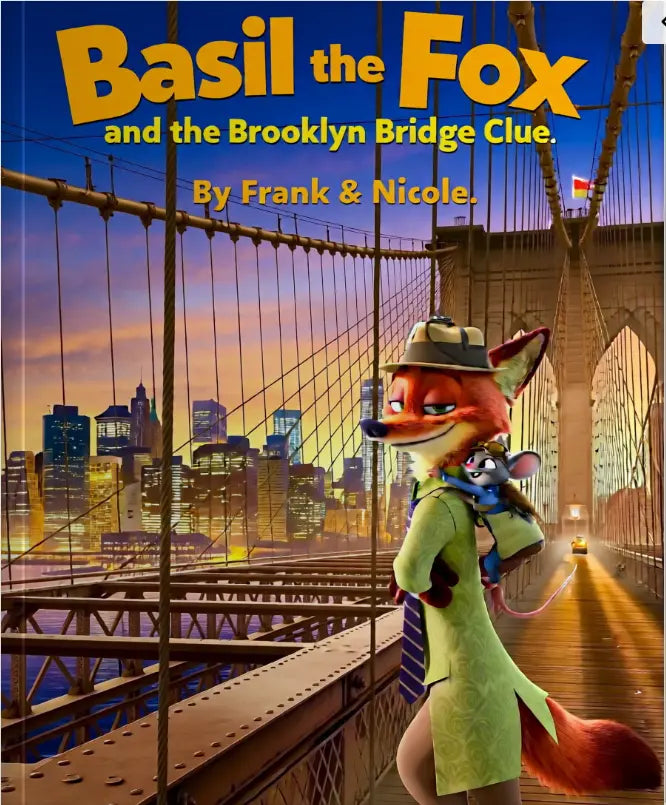
If you are exploring curated mystery and adventure collections, you can review options from FN Library Online, including titles such as Basil the Fox bundle and individual clues like Brooklyn Bridge clue.

Calendar pages, reading timers, and progress milestones
Quick Tips
Digital reading works best when it is simple and repeatable. Use the following actionable guidance to create a productive, child-friendly experience.
- Start with a small selection: Choose a short list of stories that match your child’s interests. Limit choice to reduce decision fatigue.
- Set a predictable time: Pick a consistent moment such as after school or before bedtime. Regular timing supports habit formation.
- Use a “two-choice rule”: Offer two story options instead of many. This balances autonomy with structure.
- Preview the genre: Before reading, discuss the theme in one sentence. Curiosity improves engagement from the start.
- Follow the first session with a brief talk: Ask one question about a character, setting, or clue. Keep it short and positive.
- Rotate formats and themes: Switch between adventure, mysteries, or informational stories to maintain interest.
- Create an offline anchor: Keep a small printed bookmark or reading checklist to connect digital reading to a physical routine.
- Monitor screen comfort: Encourage comfortable reading distance and breaks. Focus on well-being and consistency.
- Track progress with simple milestones: Celebrate completion, not perfection. For example, acknowledge finishing a chapter or discovering a solution.
If your child enjoys mystery puzzles and story-based clues, it can be helpful to build a themed track. Consider starting with a single adventure series and then expanding to related clue titles over time. FN Library Online offers multiple Basil the Fox entries, including Central Park clue and Whispering Map clue.
For families who want an even tighter start, beginning with a single bundle can reduce the selection workload. A curated bundle such as the City Mystery bundle can be a practical entry point.
Summary & Next Steps
A digital library for children can strengthen reading habits by removing friction and offering purposeful choices. When families choose curated content, set predictable routines, and use short reflection moments, children typically engage more deeply with stories. The best approach is not to overwhelm with options, but to build a stable pathway from curiosity to completion.
Next, choose one theme your child enjoys and create a small reading list for the coming week. Then, establish a daily reading window and apply the “two-choice rule.” After each session, ask one question that connects the story to a character decision or a simple clue. Over time, your child will develop confidence, vocabulary growth, and stronger comprehension skills through repeat exposure to quality narratives.
To support your selection process, consider exploring curated titles at FN Library Online, including Basil the Fox mysteries and related adventure stories. Start with one or two books, observe how your child responds, and expand gradually.
CTA: Visit FN Library Online to browse curated digital titles for children, then build a simple library list that matches your child’s interests and reading level.
Disclaimer: This article provides general guidance for reading routines and content selection. It does not replace professional advice. Content availability and platform features may vary over time.
FAQ
What should I look for in a digital library for children?
Look for curated collections, clear categorization by age or reading stage, and a manageable number of recommended titles. A good library reduces random searching and supports consistent reading routines. Also consider whether the experience is easy to access on your household devices.
How can I encourage reading without creating pressure?
Use a predictable time and offer limited choices. Keep the reading session short when needed, and focus on enjoyment. After reading, ask one low-stress question about a character or a key moment. Reward effort and completion rather than performance.
Is a digital library appropriate for younger children?
Yes, when the content is age-appropriate and the family sets supportive routines. Choose stories with engaging plots, strong character cues, and simple language for early readers. For younger children, consider reading together initially and then gradually shifting to independent reading.
How many books should I include in a child’s library list?
For most households, a small list works best. Start with three to five titles and rotate based on interest. Once your child develops a consistent routine, you can expand the list without increasing daily decision-making.


Never give up. Today is hard, tomorrow will be worse, but the day after tomorrow will be sunshine.”

