

Updated on: 2026-06-26
Narrative learning for children uses stories to help young minds understand, remember, and apply ideas. When children follow characters through problems, they practice attention, language, and reasoning in an engaging context. This approach also supports emotional understanding because children connect choices to outcomes. With the right structure and guidance, stories become a repeatable learning tool for home and school.
Did You Know?
Comparison: Pros & Cons
Buyer’s Checklist
Final Thoughts & Advice
Q&A
Did You Know?
- Children learn meaning faster when new information is placed inside a storyline rather than presented as isolated facts.
- Story structure gives learners a “mental map.” Beginning, conflict, and resolution help children predict what comes next.
- When children discuss characters’ decisions, they practice perspective-taking and cause-and-effect thinking.
- Repeated storytelling supports vocabulary growth because children encounter words in context, not memorization lists.
- Interactive questions during reading can turn passive listening into active learning for children.
Comparison: Pros & Cons
- Pros: Stories increase engagement and sustain attention through natural curiosity.
- Pros: Character goals and obstacles make abstract concepts concrete and easier to recall.
- Pros: Reading discussions strengthen comprehension and social-emotional language.
- Pros: Narrative learning for children can be adapted for different ages and learning needs with minimal materials.
- Cons: Without guidance, children may focus only on plot and miss learning goals.
- Cons: Not every story fits every objective. Selecting the right theme and complexity is essential.
- Cons: Overemphasis on entertainment can reduce reflection. A balanced approach is required.
- Cons: Some learners need structured prompts. Open-ended questions may feel difficult.
Buyer’s Checklist
Narrative learning for children works best when the story, the activity, and the debrief align. Before choosing books or learning resources, evaluate how they guide understanding and reflection. The checklist below focuses on practical criteria that parents, educators, and caregivers can apply during selection.
1) Learning alignment through story purpose
Look for stories that naturally support a learning goal. A strong narrative connects events to skills such as problem-solving, sequencing, empathy, or vocabulary. The best options do not feel like a worksheet in disguise. Instead, the learning emerges from what characters do and why they do it.
2) Age-appropriate complexity and pacing
Children benefit from challenge that is reachable. Early readers need clear sentences and manageable plot threads. Older children can handle layered motivations and more nuanced outcomes. Choose materials that match reading level and listening stamina.
3) Opportunities for prediction and reflection
Stories should include meaningful turning points. When children can anticipate consequences, they practice reasoning. After reading, reflection questions should lead to learning transfer. For example, ask how a character solved a problem and what strategy could help in a real situation.
4) Clear emotional and social context
Narratives create learning moments when characters face uncertainty, misunderstanding, or frustration. These moments help children name feelings and evaluate choices. This is valuable for classroom discussions and home routines, because children learn to connect decisions with outcomes.

Story map with opening, conflict, and resolution
5) Language density without overwhelming the reader
Vocabulary growth depends on meaningful language exposure. Choose stories that use varied, accurate words but keep comprehension supported. Repetition of key terms within context helps children understand new vocabulary and reuse it in conversation.
6) Interactive potential for adults
Even the strongest story needs an adult “learning bridge.” Select resources that encourage dialogue. You do not need complex lesson plans. Simple practices, such as asking, “What did the character try first?” or “What changed after that choice?” can reinforce learning outcomes.
7) Curiosity-based structure for sustained interest
Many children learn through questions. Mystery and clue-based plots can motivate listening because children want to know what happens next. If the storyline invites observation, inference, and explanation, narrative learning becomes an active process rather than passive consumption.
8) Evidence of thoughtful design and consistency
Look for consistent voice, logical sequencing, and coherent character behavior. Consistency makes it easier for children to follow events and infer meaning. When the story is well-designed, children spend more attention on learning than on confusion.
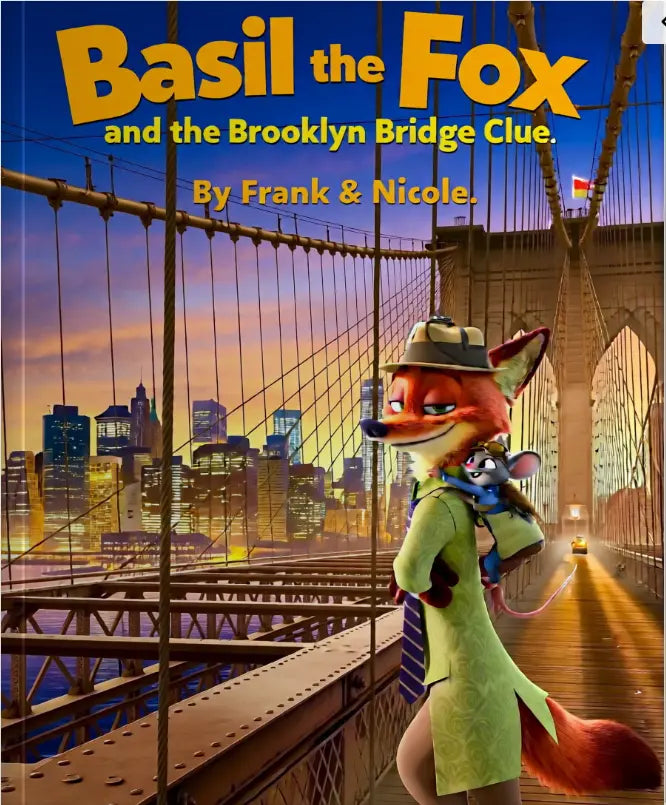
For families who prefer engaging mystery formats, consider exploring curated detective-style adventures from the Basil the Fox mystery collection. These stories use clues and reasoning to support comprehension and discussion, which aligns well with narrative learning for children.
Final Thoughts & Advice
When children learn through stories, they do not merely absorb information. They practice thinking. They learn how characters make choices, handle obstacles, and revise their plans. That is why narrative learning for children can strengthen both academic skills and everyday problem-solving. The key is to treat reading as a structured learning experience, not only as entertainment.
To make results consistent, apply a simple cycle every time you read. First, set a purpose: decide what skill you want to notice, such as sequencing, vocabulary, or decision-making. Next, pause briefly during key moments and ask a focused question. Finally, debrief after the story ends with one short reflection and one real-world connection.
For example, if your goal is reasoning, ask the child to explain how the clues led to a conclusion. If your goal is language, ask them to identify a strong word and describe what it helps the character do. If your goal is emotional understanding, ask how the character might feel before and after a turning point, and why.
When stories are chosen carefully and guided thoughtfully, narrative learning becomes a repeatable method. It also helps children form positive reading habits because they experience learning as something they can do. If you want additional clue-based story options, you may also consider Basil the Fox and the Whispering Map for reasoning through observations, or The Missing Midnight Key for cause-and-effect discussion.

Adults asking questions during a calm story recap
In the end, the most important ingredient is engagement with meaning. Children learn best when they can connect the story to their own thinking and speech. Encourage them to retell scenes in their own words, draw a simple sequence, or explain what they would do if they were in the character’s position. These actions reinforce comprehension and strengthen confidence.
Q&A
How can I tell whether a story is supporting learning, not just entertainment?
A helpful sign is whether the child can explain events beyond surface details. If they can describe a decision, identify a cause, or use story language to express an idea, the reading is likely supporting narrative learning for children. Another sign is that they ask questions or connect the story to a real experience, such as school, routines, or friendships.
What questions should I ask during or after reading to reinforce comprehension?
Use questions that target reasoning. Examples include: “What problem did the character face?” “What did the character try first?” “What changed after that?” “Which clue helped you figure it out?” After reading, ask for a brief summary in the child’s words and one connection to everyday life. Keep the questions short so the focus stays on thinking.
How do I adapt narrative learning for different ages and reading levels?
Adjust the amount of scaffolding and the complexity of the discussion. For younger children, focus on simple sequencing, names of feelings, and identifying what happened first and last. For older children, encourage deeper explanation, such as how motivations influenced choices or how a strategy could apply in a different context. You can also choose shorter chapters or do more frequent pauses for younger learners.
Is it necessary to use advanced materials for narrative learning to work?
No. Narrative learning depends more on purposeful interaction than on specialized tools. A well-chosen book plus a consistent adult routine—purpose, pauses for reasoning, and a brief debrief—can create strong learning benefits. Clue-driven stories and emotionally grounded characters often provide especially rich discussion points.
Disclaimer: This article provides general educational guidance. It is not a substitute for professional advice related to a specific child’s needs. Always consider your child’s comfort, readiness, and learning environment when selecting reading materials and activities.


Never give up. Today is hard, tomorrow will be worse, but the day after tomorrow will be sunshine.”

