

Updated on: 2026-06-26
Interactive storytelling for kids turns reading into an active experience. It supports stronger comprehension, vocabulary growth, and attention through choice-based moments. When children participate in the narrative, they practice planning, cause-and-effect thinking, and emotional awareness. This guide explains how to select, run, and sustain interactive story sessions at home or in a learning setting.
Buyer’s Checklist
Choosing interactive storytelling for kids works best when you evaluate design, usability, and learning outcomes. Use the following checklist to make decisions that fit your child’s interests and your routine.
Child control is clear: The story should invite meaningful decisions, not just passive prompts.
Navigation is simple: If the experience involves selections or segments, the flow should be easy to follow during daily use.
Choices change outcomes: Look for narratives where decisions influence character paths, clues, or endings.
Language level matches the reader: Select text that challenges without overwhelming. Clear vocabulary scaffolding is a strong signal.
Replay value exists: A strong interactive story allows different routes, so children can revisit without repeating the same experience.
Theme supports development: Cooperative problem-solving, empathy, and curiosity should be woven into the plot.
Quality of pacing: Short scenes with built-in pause points help children stay engaged and confident.
Parent or educator fit: The experience should be easy to facilitate, with prompts that support discussion rather than require advanced training.
Step-by-Step Guide
Even high-quality interactive storytelling succeeds only when facilitation is intentional. Follow this structured approach for consistent results and calmer sessions.
Set a clear start: Begin with one sentence that frames the setting and the main question. Keep it brief so attention stays focused.
Preview the participation: Tell your child how they will interact. For example, they will choose what a character says next or which clue to examine.
Model the first decision: Make the first choice together. Then pause and ask what they notice about the options and consequences.
Use “because” questions: Ask “Which detail supports your decision?” or “What do you think happens if we choose this?”
Read with strategic stops: After key moments, pause to invite a selection or prediction. Do not rush through choice points.
Connect outcomes to reasoning: When the narrative reveals results, discuss what led to the outcome. This reinforces cause-and-effect thinking.
Close with reflection: End by summarizing what changed and what the child learned about characters, decisions, or problem-solving.

Checklist icons showing choices, clues, and reflection steps
How to Choose the Right Formats
Interactive narrative formats vary widely. Selecting the best option depends on attention span, device comfort, and the type of participation you want. Consider these categories.
Choice-based branching stories
Branching narratives let children select directions at decision points. This format supports executive thinking. It also trains children to evaluate evidence and anticipate consequences.
Clue-driven mysteries
When a story is organized around clues, children practice observation. They also build inference skills by linking details to solutions. Clue-based structure is especially effective for children who prefer puzzles and cause-and-effect thinking.
Character-dialogue interaction
Some interactive formats emphasize conversation choices. Children choose what a character should say or how the character should respond. This strengthens social-emotional language, perspective-taking, and tone control.
Goal-focused quests
Quest-style narratives use objectives and progress markers. Children enjoy clear targets and visible movement through a story world. This format is useful for children who need a sense of momentum.
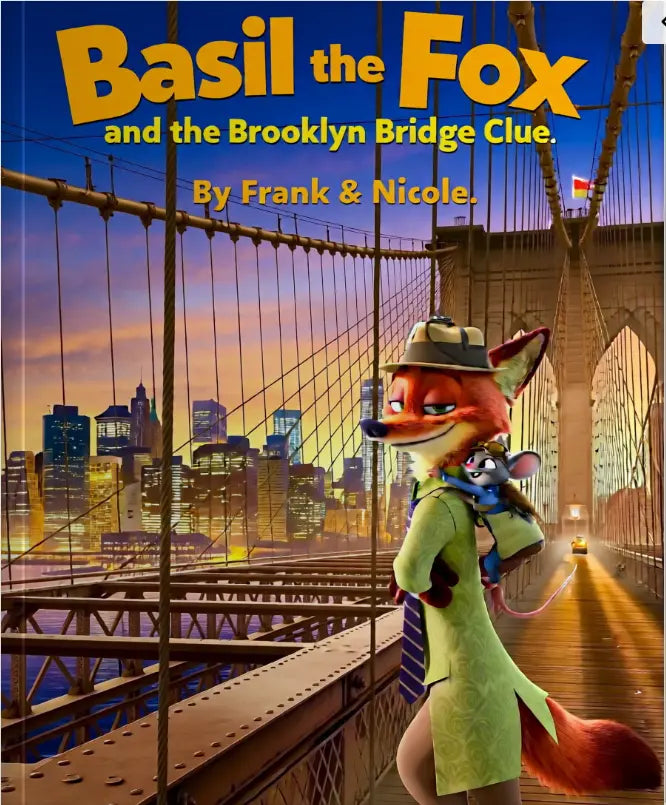
If you want a reliable way to introduce clue-driven interactive reading, explore curated digital mystery experiences from FN Library Online. For example, you can start with Basil the Fox city mystery bundle, or choose a single case such as the Secret of Central Park. These options are designed to keep children engaged through investigation, choices, and satisfying resolution.
Engagement Ideas That Keep Momentum
Interactive storytelling for kids is not only about selecting answers. The quality of the discussion around the story determines learning impact. Use the ideas below to sustain energy during sessions.
Turn choices into mini-arguments
After a decision, invite your child to justify it. Encourage a simple format: “I choose this because I see…” Children learn to cite story evidence. You also model how reasoning sounds in real conversation.
Label emotions and intentions
When a character feels uncertain, discuss intention. Ask, “What does the character want right now?” or “What might the character be afraid of?” This practice strengthens emotional vocabulary and helps children understand motivation.
Track recurring themes
Choose one theme to watch across scenes, such as honesty, bravery, or teamwork. Each time the theme appears, pause and name it. This turns reading into pattern recognition.
Create a “clue gallery”
As you proceed, gather important details. You can represent them with a simple list, drawing shapes, or using sticky notes at home. The goal is to help children treat each detail as usable information.

Paper map with highlighted clue symbols and branching arrows
Use prediction cycles
Before revealing what happens next, ask for a prediction. Then confirm or revise after the outcome. Children learn to update beliefs based on new evidence.
Activities for Different Age Groups
Interactive storytelling works across age ranges, but participation should fit developmental needs. Below are practical activities for common stages.
Early readers and preschoolers
Choice at the sentence level: Offer two options for what a character does next. Keep choices concrete and close to the current scene.
Sound and motion participation: Have your child act out a character’s action when they select a response.
Emotion check-ins: Ask how the character might feel and why, using simple language.
Elementary school readers
Clue sorting: Group story details into “helpful” and “not yet helpful” piles during a mystery sequence.
Cause-and-effect mapping: After each decision, ask what changed and what stayed the same.
Alternative ending rehearsals: Let your child choose a different final outcome and summarize the path that leads there.
Older readers and early teens
Evidence quality discussions: Ask whether the child’s evidence is direct or inferred and how confident they feel.
Character strategy analysis: Evaluate what strategy a character uses and how it affects trust, risk, and outcomes.
Theme and ethics prompts: Discuss dilemmas in a neutral, story-based way, focusing on problem-solving rather than moralizing.
Common Mistakes to Avoid
Interactive storytelling can become frustrating when facilitation does not match the child’s needs. Avoid these common errors.
Overcorrecting decisions: If a child chooses a path you expect less, focus on the reasoning rather than judging the outcome.
Letting choices become too frequent: Children may lose narrative immersion if every sentence requires a decision.
Skipping the “why” conversation: The learning value grows from justification and reflection, not only from selecting outcomes.
Ignoring attention signals: If focus drops, pause the session. Resume later with a shorter segment.
Assuming one session fits all: Children benefit from repeating themes. A new session can revisit a similar skill in a different story arc.
Wrap-Up and Call to Action
When you choose the right format and facilitate with purposeful questions, interactive storytelling for kids becomes a practical learning routine. It strengthens comprehension through active participation, improves vocabulary through repeated context, and builds cognitive skills such as prediction, evidence use, and cause-and-effect reasoning. Most importantly, it creates shared moments that children look forward to.
If you are ready to begin, consider selecting a structured mystery experience from FN Library Online. Start with a curated collection such as Basil the Fox city mystery bundle or choose a single investigation like the missing midnight key. Each option is designed for engagement and discussion, making it easier to run interactive sessions without guesswork.
Disclaimer: This article provides general educational guidance and creative ideas. It does not replace professional advice for individual learning needs.
Q&A
What makes interactive storytelling for kids different from regular reading?
Interactive storytelling builds participation into the narrative. Children make decisions, respond to prompts, or connect clues to outcomes. This turns reading into an active reasoning process, which can improve attention, comprehension, and vocabulary through repeated context and discussion.
How long should an interactive story session last?
Session length should match your child’s focus. Many children do well with short segments followed by a brief reflection. If the child shows signs of fatigue, pause and return later. Consistency matters more than duration, because repeated engagement strengthens skills over time.
How can I encourage reluctant readers to participate?
Reduce barriers by offering two clear options at each decision point. Use “because” prompts that focus on specific story details, not general opinions. Celebrate reasoning and allow the child to explore different routes. When participation feels safe and meaningful, reluctance often decreases.
Can interactive storytelling support social-emotional learning?
Yes. Dialogue choices and character responses allow children to practice perspective-taking and emotional vocabulary. When you ask what the character wants, fears, or intends, children learn to describe motivations and interpret reactions in a structured, story-based setting.


Never give up. Today is hard, tomorrow will be worse, but the day after tomorrow will be sunshine.”

