

Updated on: 2026-06-01
Kids need stories that invite close reading, steady attention, and confident problem solving. Kids' mysteries for early readers provide an ideal bridge from picture-based books to more structured chapter reading. They also strengthen vocabulary, sequencing skills, and cause-and-effect thinking. With the right set of mysteries, children can practice making predictions and finding evidence without feeling overwhelmed.
Table of Contents
Product Spotlight: Kids' Mysteries for Early Readers That Build Confidence
Reading becomes easier when children know what to expect. Kids' mysteries for early readers work because they follow a recognizable pattern: a puzzling situation, a series of clues, and a clear resolution. That structure reduces anxiety and increases motivation. It also teaches children how to read with purpose, not just with sound and fluency.
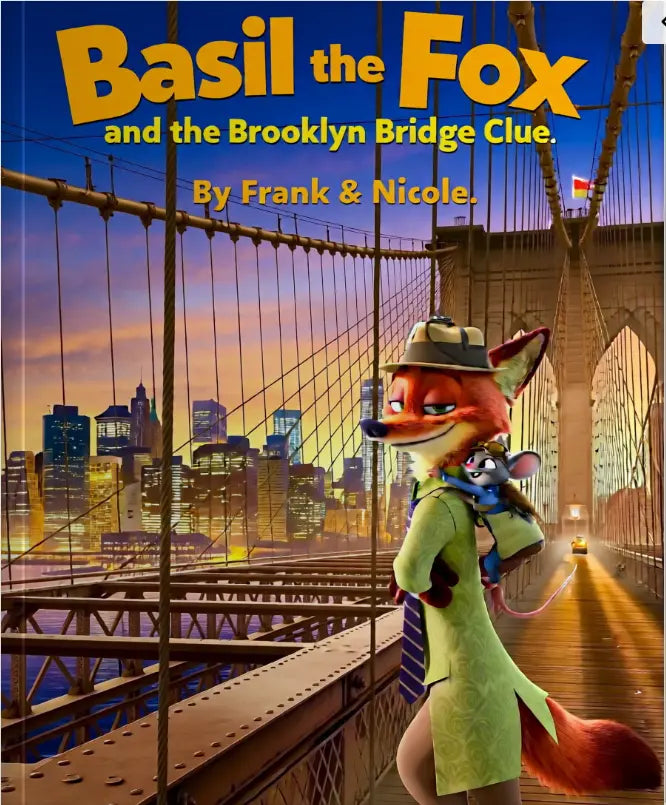
If you want an approachable mystery series, look for books that feature friendly investigators, short scenes, and clues that match the child’s reading level. One strong option is the Basil the Fox collection, which is designed for young readers who enjoy solving problems with observation and reasoning. The stories keep the stakes light, the clues understandable, and the outcomes satisfying.
For parents and educators seeking a focused starting point, the bundle approach is especially helpful. When multiple mysteries share a consistent reading rhythm, children feel more in control. They also learn that evidence comes from details, not guesses. That is how early readers build a durable comprehension skill.
Explore the Basil the Fox bundle
In addition to short mystery arcs, the Basil the Fox format often includes varied clue types, such as objects, locations, and conversations. That variety supports vocabulary growth and improves background knowledge. Children also practice mental organization because clues arrive in an order and the resolution depends on how clues connect.

Magnifying glass over puzzle pieces and note cards
Step-by-Step How-To: Help Early Readers Solve Mysteries
Early readers do not need complex detective work. They need guided habits that turn reading into active thinking. Use the steps below to support kids' mysteries for early readers at home, in a classroom corner, or during quiet reading time.
-
Preview the mystery in one minute. Read the first page together and ask what problem the character wants to solve. Keep the focus on the question, not on definitions.
-
Teach clue vocabulary before the first clue. Use simple words such as clue, evidence, suspect, and solution. Point out these words whenever they appear so children learn their meaning through repetition.
-
Stop at key moments and predict. After each small event, pause and ask, “What do you think happened?” Offer two choices if the child needs support. Predictions keep reading active.
-
Circle or list clues. If you read with a pencil, have the child underline evidence or create a short clue list. Even a three-item list builds structure and improves recall.
-
Connect clues to the final answer. When the mystery resolves, return to the clue list and ask which clue mattered most. This trains cause-and-effect thinking and prevents random guessing.
-
Retell the story using a clear sequence. Ask for a retell in four steps: problem, clues, decision, and solution. Sequence retelling strengthens comprehension and fluency.
Choose the right mystery format for the reader
Select books that match attention span and decoding comfort. If the child is new to chapter-style reading, choose shorter mysteries and read a small portion together. As confidence grows, increase independent reading time.
For families who prefer recognizable locations and consistent structure, Basil the Fox mysteries can be an effective match. You may start with a single clue story and then move into broader adventures as the child builds stamina.
- Try a single “clue” adventure
- Use a location-based mystery hook
- Select a familiar setting for easier inference
- Pick a mystery with a clear object focus
Make comprehension measurable without pressure
Instead of quizzing, use low-stakes checks that still build accountability. Ask one question per session: “Which clue helped you most?” Or ask the child to explain their thinking in one sentence. Early readers learn best when effort is rewarded and outcomes feel achievable.
These habits support reading strategies such as monitoring understanding, tracking details, and summarizing. Over time, children begin to read mysteries with the same confidence adults use when investigating facts.

Storyboard arrows linking clues to a final solution
Personal Experience: What Changed When I Used Mystery Reading
I worked with early readers who could decode words but struggled to explain what they had read. The stories did not feel meaningful to them. They read, but they did not connect details to a purpose. The turning point came when I shifted from general reading time to guided kids' mysteries for early readers that invited evidence-based thinking.
One afternoon, I used a short mystery session and asked a simple question: “What clue shows the answer is near?” The child looked back through the pages instead of scanning forward. That behavior mattered more than the correct solution. It showed that the child was learning how to search for relevant information.
After a few sessions, retelling improved. The child began to use sequence words such as first, then, and finally. The child also started to name clues more accurately. Even when the prediction was wrong, the child could explain why the clue felt important. That is a key developmental shift. It turns reading from passive decoding into purposeful reasoning.
If you want the same momentum, keep your sessions short and consistent. Use predictions, clue lists, and retell steps. Do not correct too quickly. Let the mystery guide the learning. When the resolution arrives, children feel the satisfaction of fitting evidence together.
Summary & Recommendations: Build a Mystery Habit That Lasts
High-quality kids' mysteries for early readers do more than entertain. They teach close reading, sequencing, and evidence-based thinking through a friendly structure. When children see that clues lead to answers, they become more willing to read beyond the first line. They also gain confidence because the story provides a roadmap.
Here are practical recommendations you can apply immediately:
Start with one consistent series. Familiar characters and repeated narrative patterns reduce cognitive load.
Use clue-based questions. Ask about evidence, not just “what happened.”
Track clues visually. A three-item list is enough to strengthen recall and comprehension.
Adjust reading support. Read together at first, then move to independent reading as stamina increases.
If you want a curated way to begin, consider the Basil the Fox collection, including single clue stories or a bundle for steady practice. For example, you can start with a location-based clue and then expand to additional mysteries as the child’s confidence grows.
Begin with a curated mystery bundle
Explore a standalone early mystery
Disclaimer: This article provides general educational guidance only. Reading progress varies by child, and no single book or method guarantees specific outcomes. Always select books that match your child’s current reading skills and emotional readiness.
Q&A: Kids' Mysteries for Early Readers
How long should a mystery reading session be for an early reader?
A short session is often most effective. Many early readers benefit from 10 to 20 minutes, especially when you pause for prediction and clue discussion. As focus improves, you can extend the session gradually while keeping the pace comfortable.
What if my child guesses the answer without using clues?
You can gently redirect by asking a clue-focused question. For example, ask which detail supports the guess. Encourage a clue list and revisit it at the end of the story. Over time, children learn that evidence matters and guessing becomes more thoughtful.
Are mystery books appropriate for readers who are still building decoding skills?
Yes, when the texts match the child’s level and the support is appropriate. Read together at first, select shorter mysteries, and choose series with a consistent structure. Shared reading lowers frustration and allows the child to participate in evidence-based thinking.


Never give up. Today is hard, tomorrow will be worse, but the day after tomorrow will be sunshine.”

