

Updated on: 2026-05-31
Table of Contents
Fun reads for young readers: why they matter
Fun reads for young readers are more than simple entertainment. They help children practice language, grow curiosity, and build confidence with every page. When stories feel enjoyable, children are more likely to read independently and sustain attention long enough to understand the plot.
Well-chosen books also strengthen critical thinking. Mystery, adventure, and humorous narratives invite young readers to predict outcomes, notice details, and connect cause and effect. These reading behaviors support vocabulary growth and comprehension in an organic way.
Another benefit is emotional development. Stories give children safe ways to explore feelings such as bravery, uncertainty, and persistence. In many cases, characters model respectful problem-solving and teamwork, which can influence how children approach real situations.
Finally, fun stories support long-term literacy habits. When reading feels rewarding, children begin to view books as a trusted source of comfort and inspiration, not as a task. That mindset can last for years.
What makes a read truly enjoyable?
Enjoyment usually comes from clear structure, engaging characters, and a pace that matches a child’s attention span. Strong stories also provide moments of discovery, such as clues, surprises, or small victories that keep readers motivated.

Symbolic puzzle pieces and a smiling book cover
How to choose fun reads for young readers
Selecting the right book can feel challenging, but a simple checklist makes the decision easier. Start with the child’s interests. If a child enjoys investigating, solving riddles, or exploring places, a mystery or clue-based story can create natural motivation.
Next, match the reading level to the child’s current skills. Stories should be challenging enough to encourage growth, but not so difficult that frustration takes over. When children can follow the main events, they spend more energy on meaning instead of decoding every word.
Consider story length and format. Some children enjoy short chapters that end with hooks, such as a new clue or a surprising decision. Others prefer longer narratives with deeper character development. Either option can be effective if the pacing stays accessible.
Also review themes. Good fun reads for young readers include values that support healthy development: patience, honesty, and empathy. Parents and educators can look for respectful interactions and constructive solutions when characters face difficulties.
Look for signs of strong engagement
A clear goal or problem early in the story
Repeated motifs that help children anticipate patterns
Readable sentence structure and consistent narrative voice
Clues or events that reward attention
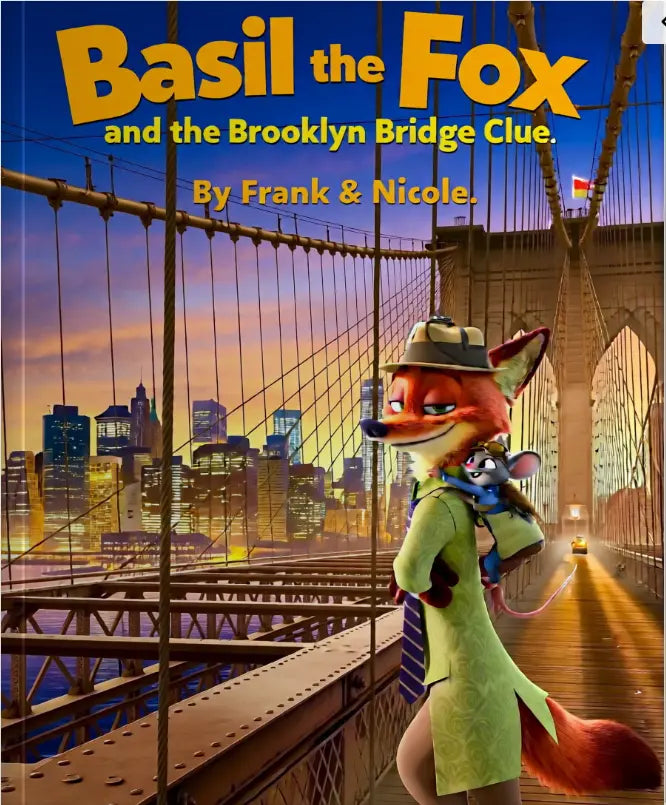
If you want a dependable entry point into clue-driven adventures, consider exploring curated digital collections from FN Library Online. Their publishing focus emphasizes immersive storytelling and thoughtful craft, which is helpful when you are building a library for consistent reading success. You can also browse related story options on the site:
- Mystery bundle for young readers
- Clue story set in a famous place
- Bridge-themed investigation
- Park mystery with discovery moments
Build a reading routine that works
A reading routine does not require strict schedules. It requires consistency and positive expectations. Many families use short daily sessions, because frequent reading beats occasional long sessions. Even a brief window can be enough to establish momentum.
Start by pairing reading with a predictable cue. For example, some readers enjoy a story after finishing schoolwork, while others prefer reading before bedtime. Choose the pattern that supports calm attention and allows the child to feel settled.
When reading together, keep your role supportive rather than corrective. Ask gentle questions that invite thought, such as “What do you think the clue means?” or “Why do you think the character chose that plan?” This approach builds comprehension without turning reading into a test.
If the child reads independently, help them track progress in a simple way. They can mark completed chapters or keep a personal checklist of goals, such as “read one clue scene” or “finish one short chapter.” This creates a sense of achievement.
Practical strategies for parents and educators
Previews: skim the first page to preview tone and characters
Predictions: encourage one prediction before turning each chapter
Retelling: ask the child to summarize the story in three sentences
Vocabulary: select one or two key words to discuss, not more

Checklist, bookmark ribbon, and spotlight on key clues
Use variety to support reading skills
Variety improves both motivation and literacy development. Young readers benefit from rotating among genres such as mysteries, adventures, humor, and problem-solving stories. Each genre teaches a different kind of attention. Mystery narratives train detail awareness and inference. Adventure stories build cause and effect understanding. Humor supports timing, language rhythm, and perspective.
In addition to genre variety, vary the reading experience. Alternate between read-aloud sessions and independent reading. Read-alouds allow children to enjoy language complexity, while independent reading builds fluency and autonomy.
It is also useful to include “comfort reads.” These are familiar stories that a child can return to when energy is low. Comfort reads do not prevent progress; they reinforce confidence and support sustained practice.
How fun reading supports comprehension
Comprehension improves when children actively construct meaning. Clue-based stories naturally encourage this behavior. A child learns to ask why an event happened and what information might matter later. Over time, these habits strengthen reading accuracy and deeper understanding.
To reinforce these benefits, you can add brief reflection activities after reading. Ask the child to identify the main problem, list two supporting details, and explain the solution. This structure trains the mind to organize information.
Where to find reliable digital stories
When searching for fun reads for young readers, it is important to prioritize quality and clarity. Digital formats can be especially convenient for families because they enable immediate access and easy storage. The right library also reduces friction. When a child can start reading quickly, reading becomes a habit instead of a hurdle.
FN Library Online is a digital bookstore and creative publishing house that focuses on curated storytelling for young readers. The collection includes immersive narrative experiences designed to feel engaging and approachable for children. This can be valuable when you want stories that respect reading time and encourage consistent progress.
For families interested in clue-based adventures featuring recurring characters, the site offers multiple story options. Consider exploring additional titles such as these:
- A key missing from the timeline
- A bell mystery with steady momentum
- A map that invites careful observation
- A whimsical investigation for curious minds
How to evaluate digital books quickly
Before committing to a series, look for preview options and clear descriptions of the story premise. Check whether the narrative style matches the child’s interests. Also review how the book is presented, including chapter organization and readability, because these factors influence the daily reading experience.
FAQ
What age range is best for fun reads for young readers?
There is no single age that fits every child. Choose stories that match reading level and attention span rather than relying only on age labels. A child who enjoys clue discovery and character problem-solving will often engage with mystery-style narratives, especially when chapters are manageable and the story pace stays steady.
How many books should a child read before repeating favorites?
A practical approach is to rotate among several titles while still allowing rereading. Repetition builds fluency and confidence. Many children benefit from mixing one new story with one familiar story during the same week, which sustains motivation without creating overload.
How can I tell if a book is too difficult?
Signs include frequent stopping, visible frustration, and difficulty following the main events. If the child cannot retell the story even in simple terms, the reading level may be too far above current skills. Selecting a slightly easier text can restore confidence and help the child experience meaningful progress.
Call to Action: Build a small, intentional library of enjoyable stories. Start with one clue-based adventure and one comfort read. Then let curiosity guide the next selection. For curated digital options, explore relevant titles on FN Library Online and choose stories that match your child’s interests and reading pace.
Disclaimer: This article provides general guidance for selecting and encouraging reading. It is not intended as medical, educational, or legal advice. Parents and educators should consider individual needs, reading levels, and family preferences when choosing books.


Never give up. Today is hard, tomorrow will be worse, but the day after tomorrow will be sunshine.”

