

Updated on: 2026-05-18
Child-friendly mystery books help young readers build attention, vocabulary, and confidence through engaging plots. They also teach problem-solving skills by showing clear clues, fair puzzles, and satisfying resolutions. This guide explains what to look for in age-appropriate editions, along with practical pros and cons. You will also find a buyer’s checklist and direct answers to common questions.
Summary
Child-friendly mystery books offer a balanced path to entertainment and learning. When stories are structured with clue trails and respectful suspense, children practice focus and reasoning without feeling overwhelmed. The best choices match reading level, include age-appropriate themes, and offer a satisfying “case closed” moment. Use the checklist below to select books that support both independent reading and shared family reading.
Introduction
Choosing the right mystery title for children is not only about finding a fun cover. The most effective child-friendly mystery books are designed with clear stakes, fair clues, and language that fits early readers. They can strengthen comprehension because children must track details and connect them to cause-and-effect outcomes. In addition, mystery stories often encourage curiosity, which can raise the likelihood that children will read more frequently.
At FN Library Online, readers can explore curated digital titles that blend storytelling craft with age-appropriate pacing. If you want a structured mystery experience—where clues make sense and the resolution feels earned—this guide will help you choose wisely.
Did You Know?
- Mystery narratives commonly rely on a “clue-to-answer” structure, which supports comprehension and inference skills.
- Short scenes with visible cause-and-effect help children understand plot logic more easily than open-ended stories.
- Fair puzzles reduce frustration because children receive enough information to solve the mystery without random guesswork.
- When characters ask questions and compare evidence, children naturally mirror that behavior during reading.
- Many classroom reading programs use structured story types to support vocabulary growth through context.
Comparison: Pros & Cons
- Pros: Builds attention through clue tracking and pattern recognition.
- Pros: Encourages active reading because children predict outcomes based on evidence.
- Pros: Often includes supportive tone and kid-friendly tension levels.
- Pros: Improves discussion readiness for family book chats.
- Cons: Overly complex plots may frustrate younger readers.
- Cons: Mismatched suspense levels can feel stressful for some children.
- Cons: Poorly signposted clues can reduce the “solve it” satisfaction.

Clue cards, magnifying glass icon, simple map layout
How to Choose Child-Friendly Mystery Books
To select the best mystery books for kids, start with clarity and pacing. Mystery is most enjoyable when children can follow the sequence of events. Look for stories that explain what is being investigated, introduce key characters quickly, and maintain a steady rhythm of clues and confirmations.
Match age and reading level
Age-appropriate reading level is the first filter. A child-friendly mystery should use sentences that children can decode comfortably while still offering new vocabulary. If the language is too advanced, clues will feel like obstacles. If it is too simple, the mystery may become predictable too early.
Also consider attention span. Younger readers typically respond better to shorter chapters, clear scene breaks, and recurring evidence items that reappear during the case.
Check clue fairness and evidence visibility
The most satisfying mysteries provide clues that children can reasonably interpret. A fair mystery communicates the rules of the game. If key evidence appears only at the end, children lose trust in the process. When clue presentation is balanced, children feel empowered because they can attempt solutions before the final reveal.
Look for stories that include evidence comparison. For example, characters may notice patterns, verify details, or test simple hypotheses. That approach builds reasoning skills without relying on intimidating complexity.
Evaluate tone and suspense level
Child-friendly does not mean dull. It means safe and considerate. A good mystery for kids uses suspense that stays within emotional comfort. Prefer stories that use light tension, respectful stakes, and friendly resolution rather than fear-based escalation.
If your child is sensitive to suspense, consider trying books that emphasize investigation over danger. This keeps the focus on questions, teamwork, and discovery.
Prefer curiosity-driven plots
Many strong mystery series center on everyday settings such as parks, city streets, libraries, and neighborhoods. That familiar environment helps children connect clues to real-world observation. When the mystery grows out of daily life, children can practice noticing details such as directions, routines, and object descriptions.
For readers who like an established cast and repeated investigation themes, series-style books are a practical option. Consistent characters build reading confidence because children already know the investigators and their methods.
Explore relevant favorites from FN Library Online
When you want a reliable entry point, consider using curated series that consistently match kid-friendly mystery expectations. You can start with an anthology-style bundle or choose a single clue-based story to sample the style.
- City mystery bundle for a multi-story reading experience.
- A river clue story that supports evidence-led problem solving.
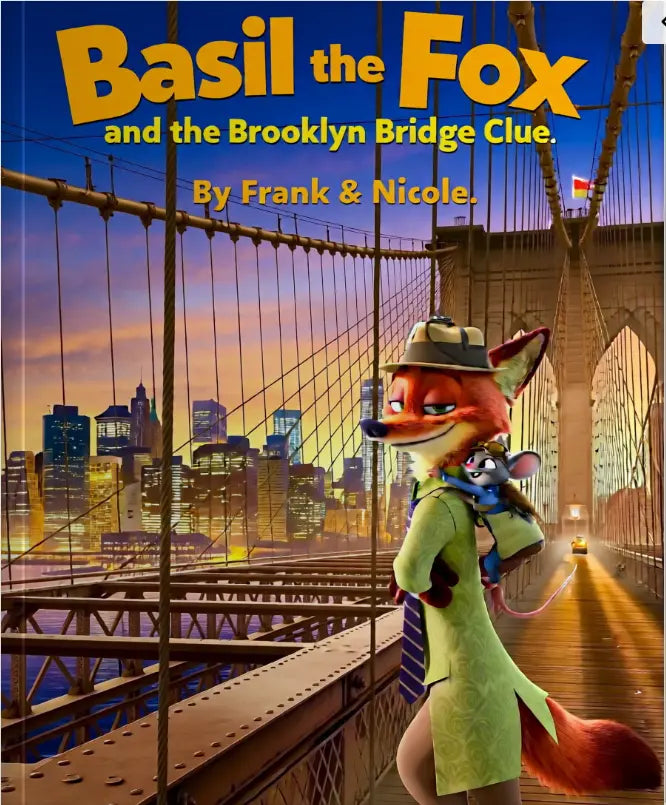
- A bridge clue tale for familiar geographic curiosity.
- A park mystery adventure that emphasizes observation.
Visual Cue

Checklist icons, calendar page, speech bubbles with clues
Building Reading Habits With Mystery Stories
Mystery books can support reading habits because they motivate participation. Children often enjoy moments when they “spot something” before a character does. To translate that excitement into consistent reading, use structured routines that do not feel like homework.
Use prediction pauses
Before reading the next section, ask a short prediction question. For example: “Which clue seems most important so far?” or “What might the character check next?” These prompts guide attention while keeping the reading flow natural.
Predictions also support comprehension. Children learn to revisit earlier details and test whether their ideas still fit the evidence.
Encourage evidence talk, not guessing
When children discuss mysteries, they may default to guesses. Gently redirect toward evidence. Invite them to describe the clue that led to their thinking. This practice improves critical thinking and helps children articulate reasoning in clear language.
Set a consistent session length
Short reading sessions typically work best. Choose a duration that matches your child’s attention. The goal is to finish a scene or chapter with a sense of progress. Mystery stories reward momentum because the investigation naturally continues.
Pair with real-world observation
After reading, connect the story to real observation. If a character notices clues in a park, you can suggest a “look and notice” walk where children describe objects, patterns, and directions. Keep the activity light and descriptive. The purpose is to strengthen curiosity and strengthen attention to detail.
This approach supports transfer. Children learn that evidence-based thinking is useful beyond books.
Choose series for confidence
Series can reduce decision fatigue. Familiar investigators, recurring methods, and known storytelling cadence can help children return to reading more easily. If your child enjoys a first case, a series of clue adventures can be a logical next step.
From an SEO and merchandising perspective, series also improve browsing efficiency because shoppers can identify the style they like. For families, it means fewer trial-and-error purchases.
Final Thoughts & Advice
Child-friendly mystery books are a strong choice for families who want reading to feel engaging and purposeful. The best titles combine fair clues, age-appropriate suspense, and a resolution that rewards attention. When you match reading level and tone, children gain confidence because they can follow the logic and participate in solving.
If you are selecting your next title, start with a clue-driven story from a trusted series. Consider using a bundle for variety or choosing a single book to evaluate fit. For more options in this style, explore the curated digital titles on FN Library Online and select the best match for your child’s interests.
Q&A
Are child-friendly mystery books appropriate for early readers?
Yes, when the text complexity matches the child’s current reading level and the story pacing remains clear. Look for short scenes, supportive vocabulary, and clues that can be interpreted without advanced background knowledge. Shared reading can also help younger readers track evidence and follow the case.
What makes a mystery story “fair” for children?
A fair mystery provides enough information during the story for children to make reasonable inferences. Clues should be introduced visibly and consistently. The solution should connect directly to earlier evidence rather than relying on surprising information that was never hinted at.
How can I tell whether the suspense level will feel comfortable?
Review the tone and note whether tension is created through investigation rather than fear escalation. Child-friendly suspense typically uses light stakes, calm character behavior, and steady pacing. If your child dislikes intense moments, prioritize stories that emphasize curiosity, teamwork, and problem solving.
Should I choose a standalone book or a series?
Both work well. Standalone books can be ideal for trying a new style without long-term commitment. Series books often build confidence because children develop familiarity with characters and investigation methods, which improves engagement over time.
Disclaimer: This article is for general informational purposes and does not replace professional guidance for a specific reader’s needs. Content availability, formats, and product details may vary over time.


Never give up. Today is hard, tomorrow will be worse, but the day after tomorrow will be sunshine.”

