

Updated on: 2026-06-23
Educational children's books help children build early literacy, expand vocabulary, and develop thinking skills through engaging stories. The right book connects learning goals with age-appropriate themes and supports active caregiver involvement. Quality illustrations, clear text structure, and repeated patterns make comprehension easier and more enjoyable. When you combine reading time with guided questions and simple activities, the learning impact becomes more consistent and measurable.
What educational children’s books do | How to choose the right book | A step-by-step reading routine | Tips to make learning stick | Common mistakes to avoid | Recommendations for ages and reading stages | FAQs
What educational children’s books do
Educational children's books are designed to support development beyond basic storytelling. They help children connect words to meaning, build knowledge about the world, and practice early reasoning. Done well, they turn reading into a repeatable learning routine rather than a one-time activity.
First, these books strengthen literacy. Children hear new vocabulary in context and learn how language flows across pages. Many titles also reinforce foundational skills such as phonics awareness, sentence clarity, and narrative structure. Second, they support cognitive growth. When children follow a cause-and-effect sequence, predict outcomes, or notice details in illustrations, they exercise attention and comprehension. Third, they build social-emotional understanding. Characters model problem-solving, empathy, and safe communication, which helps children prepare for real conversations at school and at home.
In addition, educational children's books create a low-pressure environment for asking questions. A story provides a natural reason to explore ideas. Caregivers can guide curiosity without turning reading time into a test.

Child pointing at illustrations during shared reading
How to choose the right book
Choosing a book is not only about selecting an interesting title. It is about matching the book’s learning goals with a child’s current reading level and attention span. Start by considering three factors: developmental fit, learning design, and durability of engagement.
Match the book to development
A strong match prevents frustration. If the text is too complex, children may disengage. If it is too simple, they may stop listening. Look for age-aligned themes and a pace that supports shared reading. For early readers, short sentences and repeated patterns are often more effective. For older children, multi-step plots and richer vocabulary can sustain attention.
Evaluate learning design
Learning design refers to how the book delivers educational content. High-quality educational children's books use storytelling to teach rather than attaching lessons as isolated facts. They may include recurring motifs, predictable chapter rhythms, and vocabulary that appears more than once. Illustrations should clarify meaning rather than distract from it. When the text and visuals work together, comprehension improves.
Check interactivity
Interactivity means the child can do something mentally with the story. This can include predicting what happens next, identifying emotions through expressions, or noticing clues hidden in pictures. Books with subtle prompts encourage caregivers to ask thoughtful questions. These questions build language and critical thinking without requiring worksheets.
A step-by-step reading routine
A consistent reading routine helps families get more from each session. The goal is to keep the experience warm, structured, and responsive to the child. Use the steps below for any educational children’s book, whether it focuses on characters, mysteries, nature, or community life.
Set a short intention. Choose one skill to focus on, such as vocabulary recognition or story sequencing. Keep it simple.
Preview the pages. Look at the title, cover art, and one or two interior images. Ask what the child thinks the story might be about.
Read with pauses. Stop at natural turning points. Ask a brief question that connects to the last few lines.
Encourage prediction and clarification. Invite the child to guess what will happen next, then confirm or correct gently based on the text.
Summarize in a few sentences. End with a recap: who the story follows and what problem they solve.
Extend with a quick activity. Choose one minute of action, such as drawing a favorite scene or listing three new words.
For many families, the most important step is the final extension. Even a short follow-up strengthens memory and gives children a sense of accomplishment.

Story map showing beginning, middle, and end symbols
Tips to make learning stick
Use “because” questions. Ask why a character made a choice. This supports reasoning and language growth.
Focus on one vocabulary word per session. Repeat it in a caregiver sentence during the recap to reinforce meaning.
Rotate reading roles. Let the child point to details, turn pages, or choose the next question to answer.
Keep sessions short and frequent. Shorter sessions reduce fatigue and improve attention.
Let curiosity lead. If a child asks a related question, acknowledge it and return to the story with a planned next step.
Use visual evidence. Invite children to describe what they see in illustrations to confirm understanding.
Common mistakes to avoid
Even well-intentioned reading can lose learning value when expectations are unrealistic or guidance is too rigid. Avoid these common issues.
Turning reading into a performance. Children benefit from relaxed conversation, not constant correction.
Overloading the session with too many goals. One or two learning targets per sitting are enough.
Skipping recap. A recap clarifies structure and helps children store information in a usable format.
Ignoring the child’s pace. If comprehension slows, pause and clarify rather than pushing forward.
Choosing books only for plot. Learning design matters. A story with strong structure often supports comprehension more than a plot that is simply exciting.
Recommendations for ages and reading stages
Different ages respond best to different reading structures. While every child develops uniquely, a stage-based approach helps caregivers make better choices.
Ages 3 to 5: building foundations
At this stage, children often learn through picture clues, gentle repetition, and short narrative loops. Prioritize clear visuals, predictable phrasing, and familiar themes such as friends, routines, and curiosity. Ask simple questions like “What happens next?” and “How does the character feel?” to support early understanding.
Ages 6 to 8: expanding vocabulary and comprehension
Children in this range can usually handle longer scenes and slightly more complex cause-and-effect. Select educational children's books with varied sentence length and vocabulary that appears across multiple chapters. Encourage the child to summarize events and describe motivations, not only actions.
Ages 9 to 12: deeper thinking and independent reading
Older children can benefit from mystery-like structures, research moments in the story, and themes that involve inference. They can practice identifying clues, evaluating options, and explaining conclusions. For caregivers, the best support is guided conversation rather than constant correction.
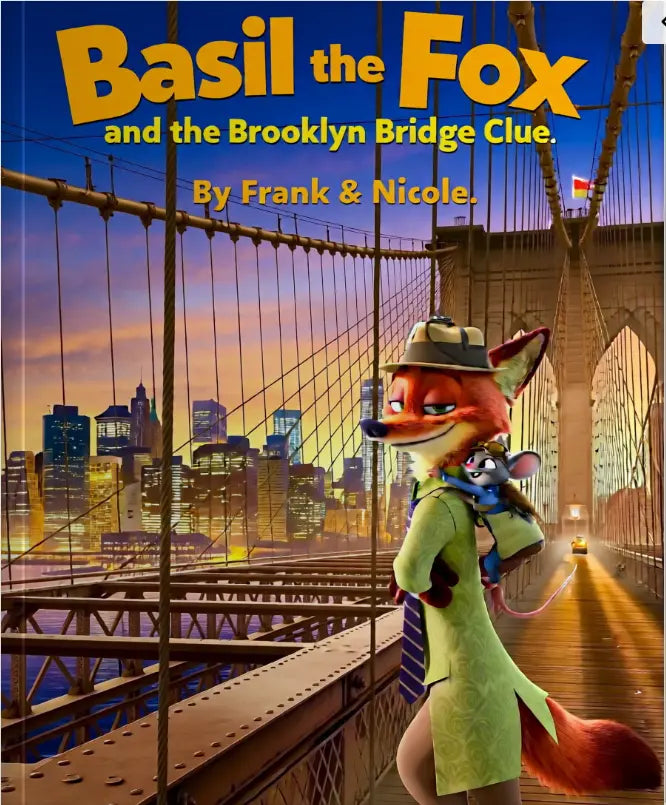
If you want story-driven learning that keeps children motivated, consider exploring curated digital series from a reputable bookstore. For example, you can review detective-style adventures and clue-based storytelling at city mystery bundles or specific clue titles such as the missing key. These formats often support prediction, detail recognition, and structured discussion. For variety, you can also look at a guided adventure story.
Regardless of the specific title, the learning value comes from how you read. When the caregiver asks clear questions and encourages the child to describe evidence, the educational design becomes more effective.
FAQs
How many minutes should we read educational children’s books each day?
Many families achieve the best results with short sessions. A practical range is 10 to 20 minutes, adjusted to the child’s attention span. Consistency matters more than length. If the child stays engaged, you can end on a positive note and continue later.
What should I do if my child is not interested in the book?
Start by checking whether the book’s content matches the child’s current interests and reading stage. Preview the pictures together and discuss what might happen. If the child remains disengaged after a few pages, switch to a different title and keep the routine warm and supportive. Interest is a key driver of comprehension.
How can I tell whether a book supports learning, not just entertainment?
Look for repeatable structures and opportunities for thinking. Good books often include clear narrative progression, accessible vocabulary in context, and visuals that clarify meaning. During reading, you should be able to ask questions that lead to evidence-based answers, such as describing details or explaining why a choice was made.
Are digital versions effective for educational children’s books?
Digital reading can be effective when it supports shared interaction. Caregivers should still discuss the story, pause for questions, and guide attention to key images or text. When reading is interactive, digital format can strengthen engagement and vocabulary growth.
Disclaimer: This article provides general educational guidance for selecting and using children’s books. It is not a substitute for professional advice related to a child’s individual learning needs.


Never give up. Today is hard, tomorrow will be worse, but the day after tomorrow will be sunshine.”

