

Updated on: 2026-05-15
1. Why Fun Educational Books Matter for Learning
2. How-To Guide: Choose the Right Books for Different Ages
3. How to Use Books to Build Skills Beyond Reading
Why Fun Educational Books Matter for Learning
Fun educational books for children combine structured learning with enjoyment. When children feel motivated, they persist longer and practice more. This matters because learning grows through repetition, attention, and meaningful engagement. A well-designed story can teach vocabulary, strengthen comprehension, and support early concept formation, without turning reading into a chore. In addition, books often introduce children to problem solving in a safe, imaginative setting.
At the classroom level, educators look for materials that align with cognitive development. At home, parents and caregivers look for materials that fit daily routines. The best options usually share a few traits: clear language, purposeful concepts, positive themes, and activities that encourage reflection. The result is a learning experience that feels like play while still building real skills.
Many families also value consistency. Children benefit when the reading experience stays familiar, yet the topics gradually grow more complex. Therefore, it is useful to choose a series or a set of themed books that can be revisited with increasing depth. That approach supports fluency and helps children connect ideas across stories.

Child reading with puzzle icons and speech bubbles
How-To Guide: Choose the Right Books for Different Ages
This step-by-step approach helps you select fun educational books for children that match age, interests, and learning goals. Use it to build a small, reliable library rather than relying on random purchases.
1) Match the book difficulty to attention and reading stage
Start by considering the child’s current reading level. For early readers, prioritize short sentences, strong picture support, and predictable patterns. For developing readers, choose stories with richer vocabulary and slightly longer chapters. For older children, select books that include multi-step thinking, cause-and-effect, and nontrivial reasoning.
2) Identify the learning outcome you want to support
Before selecting a book, define a primary goal. Common goals include early literacy, math thinking, science curiosity, social-emotional growth, or creative writing. A good book supports one or two focused outcomes more effectively than a book that tries to do everything at once.
3) Confirm that the content encourages active thinking
Learning improves when readers do more than observe. Look for books that include questions, mild challenges, or moments where the child must infer meaning. Interactive elements can be direct, such as prompts in the story, or indirect, such as visual clues in illustrations.
4) Choose themes that connect to the child’s interests
Interest drives effort. If a child enjoys mysteries, books with clues and investigation can support comprehension and logical sequencing. If a child enjoys nature, books that highlight everyday science can build observation skills. You can also rotate themes so the reading routine does not become repetitive.
5) Build variety with safe structure
Use a balanced plan. Combine shorter books for daily routines with longer books for weekends or special sessions. Add a consistent story format, such as recurring characters or repeated story structures. That predictability reduces frustration and increases confidence.
If you want a ready-made approach for children who enjoy mystery storytelling, series-style adventures can offer continuity. Consider exploring a curated set such as Basil the Fox mystery bundle to build reading momentum across multiple clue-based stories.
How to Use Books to Build Skills Beyond Reading
Choosing strong books is only the first step. Learning becomes more powerful when you add short, low-pressure interactions. The aim is not to turn reading time into a test. Instead, use consistent prompts that help children think while they enjoy the narrative.
Ask “what” and “why” questions, not only “what happened”
After a scene, ask what the child noticed and why they think it matters. For example, “What detail gave the character a clue?” supports inference. “Why do you think that choice worked?” supports cause and effect. This method reinforces comprehension and reasoning.
Connect story details to real observations
Link book content to everyday life. If a story includes maps or directions, invite the child to describe how they would find a location in their neighborhood. If a story includes nature elements, encourage them to observe patterns in plants or weather. These connections help children transfer learning from fiction to daily awareness.
Encourage retelling with a simple structure
Retelling builds language and sequencing. Ask the child to summarize using three steps: beginning, middle, and end. For older children, add a fourth step: what they learned. This supports narrative comprehension and strengthens writing readiness.
Let children create their own clue or question
Creativity supports cognition. Invite the child to invent a new clue, propose a new question, or suggest an alternate ending. This practice reinforces prediction skills and helps children practice perspective-taking.
For readers who enjoy clue-based stories, the Basil the Fox collection offers a natural way to practice logical thinking. You may find it useful to start with The Seine River clue story and then continue with another location-based mystery. Each book can serve as a compact lesson in observation, sequencing, and careful reading.

Clue map with arrows, time line, and question marks
Creative Book Pairings That Strengthen Curiosity
Children learn best when different types of activities reinforce the same idea. Book pairings do not need expensive materials. Simple pairings create continuity between reading and active exploration.
Consider these pairing methods:
Map-and-story pairings: If the story includes directions or landmarks, draw a simple map of imagined places. Label key locations and discuss how characters move from one clue to another.
Art-and-vocabulary pairings: Choose five words from a chapter and draw images that represent them. Then ask the child to use each word in a new sentence.
Science observation pairings: After reading about a natural element, observe a similar element during a walk. Record what changes and what stays the same.
Writing-and-plot pairings: Encourage the child to write an alternate clue or a different solution. This builds narrative structure and creative problem solving.
If the child prefers consistent adventure, you can also pair mystery reading with short “investigation sessions.” For example, read one scene, then ask the child to identify the strongest clue and explain why it is convincing. This approach supports both comprehension and confidence.
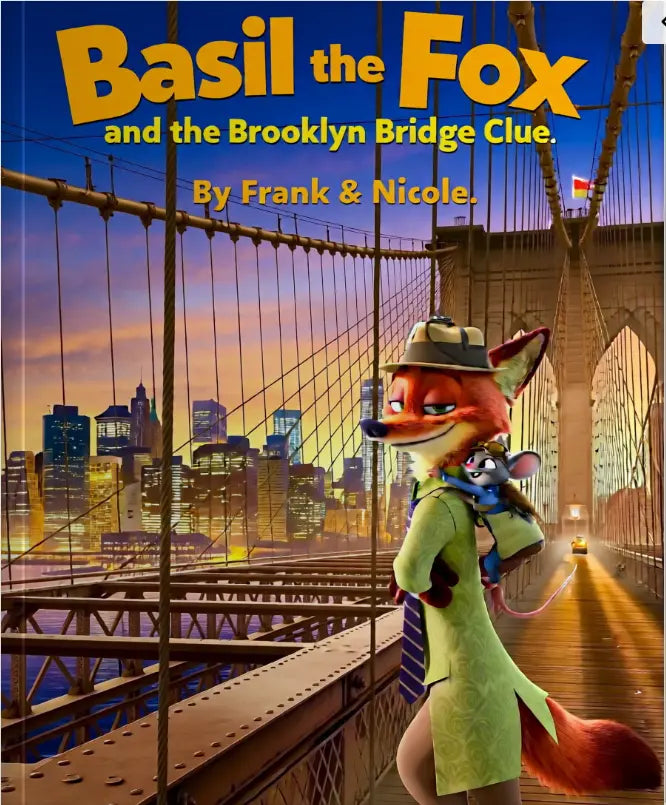
To help you plan a progression of mystery reading, consider location-based stories from the same authorial universe. Options include the Brooklyn Bridge clue and the Central Park mystery. Choosing related themes can reduce decision fatigue and improve reading consistency.
For parents seeking additional variety, some readers enjoy seasonal or story-object inspired mysteries. For example, you may also explore The mystery of the acorn lantern as a themed entry point that still supports careful reading and curiosity.
Finally, remember that learning is not only content-based. Children also learn through emotional safety and routine. Keep sessions brief when needed. End on a positive note. If the child resists, switch to a shorter format or a more familiar theme.
Common Questions Answered
What age range works best for fun educational books for children?
There is no universal age range. In practice, match book complexity to the child’s current attention span and reading stage. For younger children, prioritize picture support and simple story rhythms. For older children, choose books with more complex vocabulary and multi-step reasoning.
How many pages should a child read per session?
Effective sessions depend on motivation and fatigue. A short, successful session often outperforms a long session that ends in frustration. Many families start with brief reading segments and extend duration as confidence grows. Consistency matters more than volume.
Should parents or caregivers read along with children?
Yes, especially for early readers and new learners. Shared reading supports comprehension and vocabulary. It also provides a natural moment for discussion. Even when children read independently, periodic follow-along can reinforce understanding and deepen engagement.
How can I tell whether a book is truly educational?
Look beyond claims. Evaluate whether the book supports clear skills through story structure and purposeful content. Strong educational books encourage observation, reasoning, and reflection. They also maintain respectful themes that build confidence rather than fear of mistakes.
Call to Action: Build your next reading plan by selecting a small set of high-quality titles that match the child’s interests and learning goals. Start with a clue-based adventure if the child enjoys mysteries, and then add a complementary theme to broaden curiosity. Visit Basil the Fox series options to assemble a consistent, engaging library.
Disclaimer: This article provides general educational guidance. It is not a substitute for professional advice tailored to a child’s needs. Always consider your child’s comfort, reading level, and personal preferences when selecting materials.


Never give up. Today is hard, tomorrow will be worse, but the day after tomorrow will be sunshine.”

