

Updated on: 2026-06-08
Educational e-books for kids can strengthen literacy, curiosity, and independent learning. The most effective titles match a child’s reading level and interests, then support repetition through short lessons. Parents and educators should evaluate content quality, accessibility, and learning outcomes before purchasing. A thoughtful plan for daily use turns digital reading into a consistent routine rather than a one-time activity.
TLDR
Educational e-books for kids are most effective when they are developmentally appropriate, well structured, and aligned with real learning goals. Avoid choosing titles only for entertainment or only for academics. Instead, look for clear readability, meaningful themes, and activities that encourage comprehension. Finally, create a routine that balances screen time with conversation and practice.
Table of Contents
Introduction
Choosing educational e-books for kids is not just a purchasing decision. It directly affects how a child builds reading confidence, vocabulary, and motivation. Many families want learning tools that feel engaging, but they also need content that supports comprehension and practice. In this guide, you will learn how to evaluate e-books effectively, avoid common pitfalls, and design a simple routine that turns reading into steady progress.
You will also see how story-based learning, interactive reading habits, and practical selection criteria can help you choose titles that match your child’s stage. If you are searching for consistent value, focus on clarity, structure, and repeatable learning moments.
Common Mistakes to Avoid
-
Choosing by age alone. Age can be a rough guide, but reading level and language familiarity matter more. A child may be curious and enthusiastic while still needing simpler sentence structures and clearer pacing. Always prioritize readability and comprehension support over general age labels.
-
Ignoring learning objectives. Some e-books entertain without teaching. Others teach facts without building curiosity. When you purchase, connect the content to a goal such as story understanding, spelling patterns, or basic math thinking. Clear objectives help you measure whether the book supports your plan.
-
Overloading the schedule. More reading is not automatically better. Short, focused sessions usually work better than long sessions that cause fatigue. A sustainable rhythm supports retention and enjoyment.
-
Skipping parent or teacher discussion. Comprehension grows through conversation. If you only assign a chapter and move on, you miss opportunities to clarify meanings and reinforce concepts. Use guided questions after reading.
-
Relying on one format. E-books work best when paired with offline activities. Consider writing, drawing, or simple oral summaries. These practices help children transfer skills beyond the screen.
-
Using screens without boundaries. Digital reading should be planned. Without boundaries, children may lose attention or associate learning with distraction. Use a predictable routine and keep sessions purposeful.

Checklist visuals for reading level, goals, pacing
Pros & Cons Analysis
Educational digital books can fit many learning environments, including classrooms and home study. The best choice depends on your child’s needs, your available support, and your preference for structure and repeatability.
Pros
Built-in flexibility. Digital text can support different reading speeds and review cycles. Children can revisit sections without needing physical reorganization.
Consistent structure. Many educational e-books use chapter organization, recap moments, and guided progression. This structure supports independent learning and reduces confusion.
Engagement through storytelling. Story-driven formats can strengthen comprehension and vocabulary. When children care about characters and outcomes, they listen more closely and remember more.
Convenient for practice. Families can store multiple titles in one place. This supports ongoing learning and makes it easier to rotate books.
Supports varied learning styles. Some children learn best through narrative, while others benefit from step-by-step explanations. A curated library helps you match format to preference.
Cons
Screen distraction risk. Devices can offer competing content. Without boundaries, children may lose focus during reading sessions.
Uneven content quality. Not every title is designed with learning outcomes in mind. Some books rely on novelty rather than skill-building.
Limited real-world connection if unmanaged. If reading stays only on the device, children may not transfer skills to writing, speaking, or everyday tasks.
Need for selection expertise. Parents often must evaluate reading level, clarity, and lesson structure. A thoughtful selection process reduces mismatches.
If you want a practical way to match story-based learning to curiosity, consider mystery and clue-based narratives. These formats naturally encourage prediction, inference, and careful reading.

Roadmap with clues leading to a final conclusion
Quick Tips
Use the following steps to choose and use educational e-books for kids with confidence. These actions are designed to be simple and repeatable.
Start with a readability check. Look for clear text, readable spacing, and a steady difficulty curve. If possible, preview a sample page to judge sentence length and vocabulary.
Match content to a specific goal. For example: improve story sequencing, practice comprehension questions, build early writing habits, or strengthen basic number sense through narrative prompts.
Use the “stop and think” method. After key scenes, ask short questions such as “What happened next?” or “Why did the character choose that?” This supports comprehension without interrupting flow.
Encourage a one-minute summary. After reading, ask the child to explain the main idea in their own words. This builds retention and language clarity.
Pair reading with an offline task. Draw a setting, write a two-sentence recap, or role-play a clue discussion. These activities help learning stick.
Rotate titles to prevent boredom. Keep variety while maintaining your skill goal. Rotation also helps children stay motivated.
Confirm accessibility and usability. Check whether the format is easy to open, read comfortably, and navigate. If navigation is confusing, learning time decreases.
Choose stories that invite reasoning. Mystery-style books often encourage careful attention to details, which supports literacy skills and critical thinking.
Document progress with simple notes. Track what the child understands best, what remains challenging, and what motivates them. Use those notes to refine future selections.
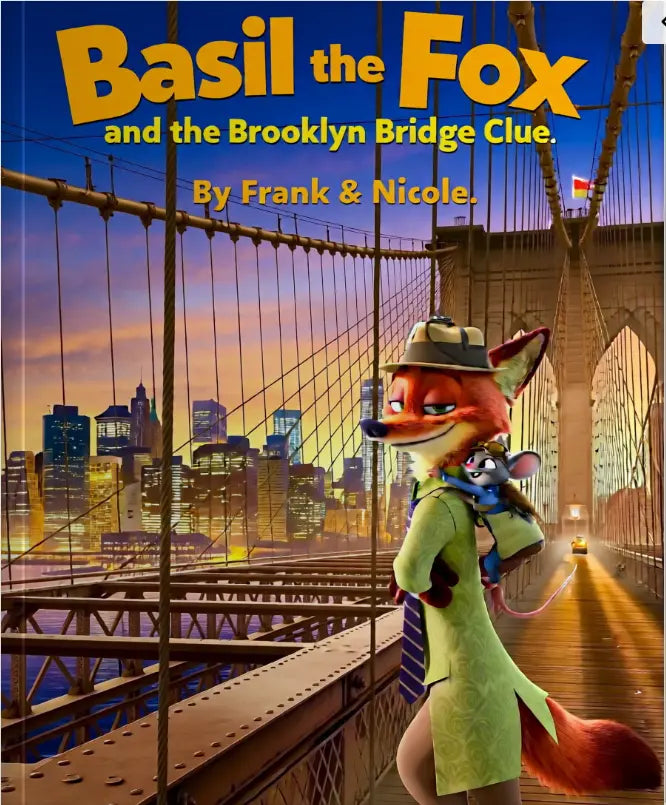
For families who prefer clue-based storytelling, the FN Library Online collection offers engaging reads that can support active comprehension. You can explore a bundle option here: City mystery e-books bundle. If you want a specific setting focus, you can also consider a single clue narrative such as Brooklyn Bridge clue story.
If your goal includes creativity and learning by curiosity, you may also find value in reading resources that support reflection and family connection. For a broader perspective, review Letters To Journal Company as one example of how journaling-style learning can complement reading habits.
Wrap-Up & Key Insights
Educational e-books for kids can be a strong part of a learning routine when they are selected with care and used intentionally. Focus first on reading level, structure, and alignment with learning goals. Avoid common mistakes such as relying on age alone, skipping discussion, and overloading sessions. When families apply a consistent plan, digital reading becomes more than content consumption; it becomes a skill-building practice.
To maximize outcomes, pair reading with conversation and short offline tasks. Encourage summaries and predictions. Track what works, then adjust your selection. With the right strategy, e-books can support literacy growth, vocabulary development, and confidence over time.
Q&A
What makes an educational e-book effective for kids?
An effective title has clear readability, a logical structure, and learning moments that support comprehension. It should also match the child’s interests so the child reads with purpose. Discussion prompts, recap sections, and review opportunities can strengthen learning without making reading feel like a task.
How can parents use e-books without overwhelming children with screen time?
Use short sessions and set a predictable routine. Combine reading with a brief offline activity such as drawing, summarizing, or writing a few sentences. Keep devices on a focused setting and encourage conversation after each session to maintain attention and deepen understanding.
Should educational e-books for kids be story-based or fact-based?
Both approaches can work, but many children benefit from story-based formats because narratives naturally encourage prediction and inference. Fact-based materials can be useful when they are structured into short lessons with practice. The best choice depends on the child’s current skills, motivation, and the specific goal you want to support.
How do I choose the right difficulty level?
Start by previewing sample text and observing whether the child can follow the plot or explanations with manageable effort. If the child frequently stops to decode too much text, the book may be too advanced. If the reading feels effortless without engagement, it may be too easy. Aim for a level that supports growth while preserving enjoyment.
Disclaimer: This article provides general educational guidance. It does not replace professional advice from qualified educators or healthcare providers. Results vary by child, content, and learning environment.


Never give up. Today is hard, tomorrow will be worse, but the day after tomorrow will be sunshine.”

