

Updated on: 2026-05-06
Children's mystery stories build curiosity, attention, and confidence in young readers by turning problem-solving into an engaging experience.
This guide explains how to choose age-appropriate mysteries, read effectively with a child, and create simple “clue” routines at home.
You will also find answers to common questions about themes, length, and how to avoid overstimulation.
Finally, you will see product-linked reading recommendations designed for clear pacing and satisfying clues.
Table of Contents
Introduction
1. How-To Guide
2. How To Select Age-Appropriate Titles
3. How To Read With a “Clue Mindset”
4. How To Build a Family Mystery Routine
5. Common Questions Answered
Introduction
Children's mystery stories offer a rare combination of entertainment and skill-building. They invite young readers to observe details, predict outcomes, and connect clues into a clear solution. In a well-written mystery, suspense is controlled, curiosity is rewarded, and reading becomes an active process rather than passive consumption.
For caregivers and educators, these stories provide a practical way to support literacy, vocabulary growth, and logical thinking. When children search for evidence and test their ideas, they develop habits that extend beyond books. The key is selecting the right mystery format and using a reading approach that keeps attention focused and confidence steady.
How To Select and Enjoy Children's Mystery Stories
Choosing the right title matters. It shapes pacing, emotional intensity, and the level of challenge. A strong approach helps children feel capable, even when they do not solve every clue immediately. Use the steps below to guide selection and reading in a structured, age-respectful way.
1) Choose a Clear Age Range and Reading Level
Start with age suitability. Many mysteries are labeled by grade band or reading comfort level, which can prevent frustration. Look for stories that match your child's stamina for suspense and length. Younger readers usually benefit from simpler clue trails and a smaller cast of characters.
Also check the mystery structure. Favor mysteries that introduce key information early, then return to earlier details during the investigation. This helps children notice patterns instead of feeling “lost” in new information.
- Prioritize mysteries with short chapters and recurring clues.
- Choose stories with friendly investigators and clear motivations.
- Select plots that resolve within a satisfying time frame for the reader.
2) Read With a “Clue Mindset” Instead of Guess Pressure
During reading, encourage observation rather than forced answers. You can ask questions that point to evidence, such as “What detail seems important?” or “What clue did the character notice?” This keeps the process constructive.
When your child makes a guess, treat it as a hypothesis. Celebrate effort and then look back for confirming or contradicting evidence. This mirrors how real investigators reason, without adding intimidation.
- Use evidence-based questions: “Which line supports that?”
- Avoid making the child feel incorrect for every misstep.
- Keep suspense comfortable by pausing at natural chapter breaks.

Checklist of clues, arrows to evidence, calm colors
3) Build a Simple Routine for Family Mystery Time
Consistency improves engagement. Choose a predictable time for reading and a consistent method for discussing clues. A routine also protects against overstimulation, especially for children who become anxious when suspense feels too intense.
Try a short rhythm: read a section, pause for one clue question, and end with a brief prediction. The goal is steady momentum, not long debates.
- Set a reading goal that matches attention span.
- Use one question per pause to avoid cognitive overload.
- End with a warm reflection on effort, not just outcomes.
4) Use Curated Reading Options That Match Familiar Formats
Many families prefer a series approach because characters remain consistent and clues follow recognizable patterns. That familiarity lowers the mental load of learning new names and settings. It also increases the pleasure of noticing subtle changes across episodes.
FN Library Online offers story collections built around clear mystery mechanics and child-friendly pacing. If you want a guided start, consider a multi-book bundle or a single clue-driven book. These options can help you test what kind of mystery structure your child enjoys most.
- City mystery bundle for a series-style introduction to clue solving.
- Seine River clue for a location-driven investigation.
- Central Park secret for a theme-based mystery experience.
- Acorn lantern mystery for a compact, clue-led narrative.

Map with numbered stops, timeline of clues, smiling observer
Common Questions Answered
Parents and educators often want practical guidance. Below are concise answers to common questions about how children mysteries should be chosen, read, and discussed.
What age is best for children's mystery stories?
Many children enjoy mysteries as soon as they can follow a simple sequence of clues and outcomes. Look for short chapters, clear cause-and-effect, and a gentle tone. If your child is new to mysteries, choose stories with early clue setup and resolutions that appear within the same reading session.
How do I keep suspense fun instead of stressful?
Use chapter breaks and pause regularly. Ask evidence-based questions and remind your child that suspense is part of the game. If a scene feels too intense, pause, provide reassurance, and continue later. The reading goal is curiosity, not anxiety.
Should I let my child guess the solution?
Yes, as long as guessing stays evidence-focused. Treat guesses as predictions and then check the text for confirmation. This approach builds reasoning skills and prevents guessing from becoming a test of correctness. When the solution differs, guide attention back to the clues that were actually decisive.
Are series mysteries better than standalone stories?
Series stories often help younger readers because characters and settings remain familiar. This reduces distractions and supports attention to clue patterns. Standalone stories can be equally effective when they have clear structure and a manageable cast of characters. Choose based on your child's preferences and reading habits.
Actionable Next Steps
If you want to start immediately, select one mystery that fits your child’s current reading comfort. Read one short section, ask one clue question, and finish with one prediction. After that, decide whether the child prefers location-based clues, character-based clues, or object-based clues. Small experiments help you build a personal “mystery library” that matches your family style.
For additional clue-driven reading options, explore related titles from FN Library Online and choose the format that best fits your schedule and attention span. Start with an approach that feels steady and rewarding.
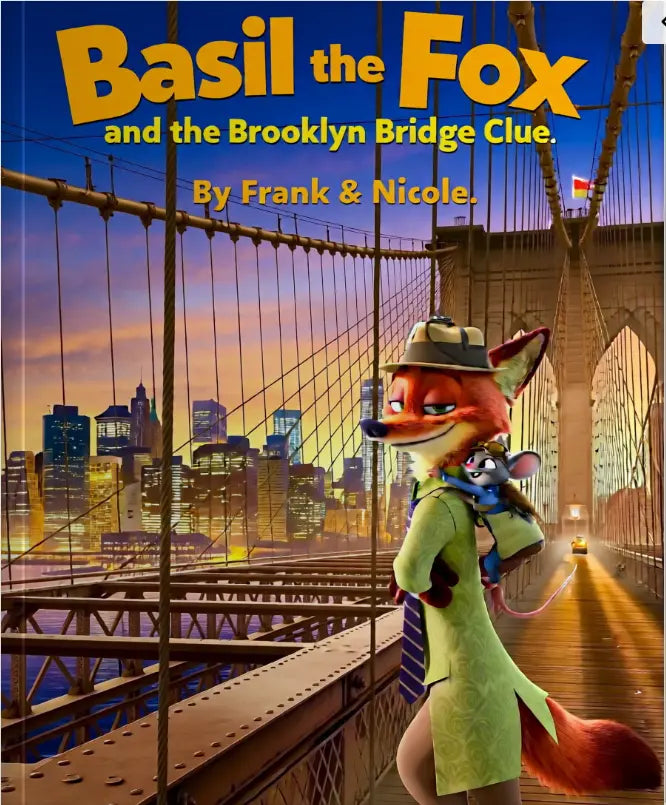
CTA: Choose a first title and begin your next family mystery session today. If you want a series-friendly start, consider the city mystery bundle. If your child responds well to a single-location investigation, try the Brooklyn Bridge clue as a focused entry point.
Disclaimer: This article is for educational and informational purposes only. It does not provide professional child development advice or guarantee reading outcomes. Always consider your child’s individual needs, sensitivities, and reading comfort when selecting materials.


Never give up. Today is hard, tomorrow will be worse, but the day after tomorrow will be sunshine.”

