
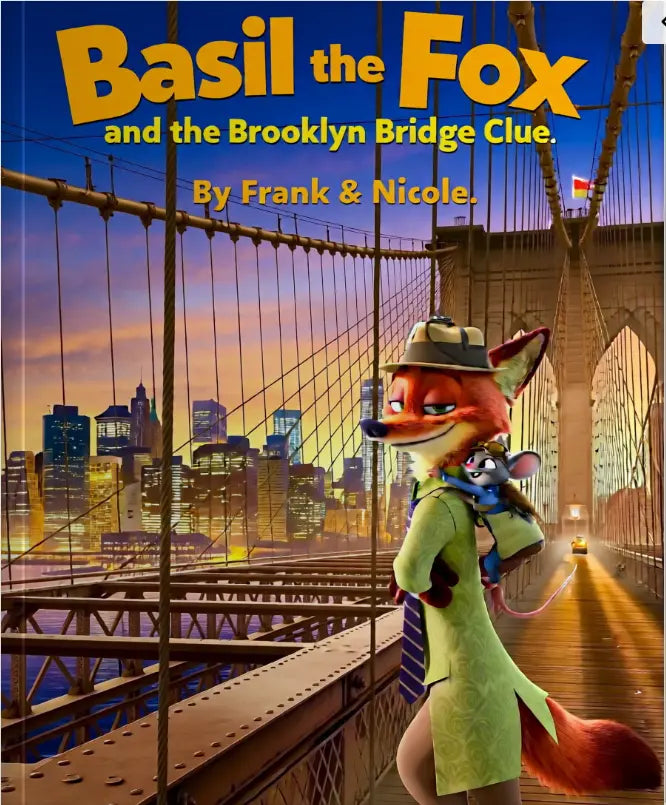

A video library can look impressive in a sales banner and still feel thin after a week of browsing. That is the real test behind any ai video library review - not whether the platform feels futuristic, but whether it keeps delivering useful, enjoyable, and trustworthy content once the novelty wears off.
For families, lifelong learners, and busy professionals, the standard is even higher. You are not just looking for flashy visuals. You want a library that feels curated, safe to explore, and worth returning to on a Tuesday night when you need a thoughtful story for your child, a creative reset after work, or a quick learning session that does not waste your time.
What an ai video library review should actually measure
A good review should start with the viewing experience, but it should not stop there. AI-generated video can be visually striking, yet still fail where it matters most: clarity, consistency, and long-term value. If the library is built on quantity alone, viewers notice quickly. Videos begin to feel repetitive, topics blur together, and the promise of endless content turns into background noise.
The strongest platforms do something different. They treat AI as a creative tool, not the whole product. That means the content is still shaped by editorial judgment, audience awareness, and a clear sense of purpose. In practical terms, a strong AI video library should offer more than clips that look modern. It should offer a reason to keep watching.
For a family-oriented audience, that means age-appropriate storytelling, gentle pacing, and visuals that support the story instead of overwhelming it. For entrepreneurs and self-directed learners, it means concise lessons, clear organization, and topics that feel immediately relevant. For casual readers and viewers, it means discovery should feel rewarding rather than random.
Content quality matters more than the technology
This is where many libraries either earn trust or lose it. AI can speed up production, but speed alone does not create quality. A library full of quickly generated videos may sound exciting, yet if the scripts are shallow or the visuals feel disconnected from the message, the experience becomes forgettable.
The best libraries usually show signs of human editorial care. The storytelling feels intentional. The pacing has rhythm. The topics feel chosen, not dumped into a feed just to inflate the catalog. That difference matters because members are not paying for software tricks. They are paying for meaningful access to content that fits real life.
For parents, quality also means emotional safety. A children’s video should not just be bright and animated. It should be calm enough to hold a child’s attention without becoming chaotic. It should support imagination, not simply overload the screen. If a platform claims to serve families, that standard cannot be optional.
For professionals, quality often comes down to usefulness. Is the video helping you understand an idea faster? Is it giving you a practical insight worth remembering? Or is it simply repackaging obvious advice with AI visuals layered on top? A serious ai video library review should ask those questions directly.
The real value of curation in an AI library
Curation is what turns a collection into a library. Without it, even a large catalog can feel empty.
This is especially true in AI-driven content environments, where new material can be produced quickly. Weekly additions sound appealing, and they can be a real advantage, but only if they are selected with care. Otherwise, more content simply creates more friction. Viewers spend too much time searching, second-guessing, and scrolling past titles that do not fit their needs.
A curated library respects attention. It helps members trust that what they click has a reason to be there. That trust is valuable for every audience, but it is especially valuable for parents and learners who want a dependable digital space rather than a chaotic media feed.
This is also where a membership model becomes more attractive than one-off purchases. If a platform is consistently adding worthwhile content, the experience starts to feel like a growing vault rather than a stack of disconnected files. For many users, that shift changes the entire value equation. You are no longer paying for a single title. You are investing in access to an environment that keeps expanding with your interests.
AI video library review: the features that deserve attention
When people compare video libraries, they often focus on surface features first. Search bars, thumbnails, and category labels matter, but they are not the whole story. A better review looks at how easily the platform fits into everyday routines.
Accessibility is one major factor. Can members watch instantly without a complicated setup? Is the experience smooth on phones, tablets, and laptops? For digital-native readers and viewers, convenience is not a bonus. It is part of the product.
Organization is another. A library should make it easy to move between different interests, whether that means children’s storytelling, visual entertainment, or educational content for business growth. A mixed-content platform can be powerful, but only if it is structured in a way that feels welcoming instead of cluttered.
Freshness also matters. New additions can create momentum and keep a membership feeling alive. Still, there is a trade-off. A platform that updates often must maintain standards, or members begin to suspect that speed is replacing selectivity. The ideal balance is steady expansion with visible editorial care.
Finally, there is format. Some audiences want short, cinematic experiences. Others want something more instructional. A strong library understands that different moments call for different kinds of engagement. Not every video needs the same pace or purpose.
Who benefits most from an AI video library
The answer depends on what the library is trying to be.
If the platform is family-centered, its strength may lie in imaginative storytelling, visually rich short-form videos, and a gentle, trustworthy environment. For modern parents, that can be a meaningful advantage. It is not always easy to find digital content that feels both creative and safe.
If the platform includes educational and entrepreneurial content, it may appeal to viewers who want more from their subscription than entertainment alone. A well-balanced library can support a child’s bedtime story, a weekend creative break, and a weekday business insight without making the experience feel fragmented.
That broad appeal is one reason curated digital memberships are becoming more attractive. People are tired of paying separately for every small piece of content. They want one reliable place where discovery feels simple, quality feels consistent, and the catalog keeps growing.
For that audience, a platform like FN Library Online fits naturally when its AI video experience is presented as part of a larger digital vault rather than a standalone gimmick. That framing matters because it positions video as one part of a premium reading and learning ecosystem, not a distraction from it.
Where AI video libraries still fall short
Even the strongest platforms face limits. AI-generated content can sometimes feel too polished in the wrong way, with visuals that impress briefly but do not leave much emotional residue. The storytelling may be competent without becoming memorable. That is why editorial voice is still so important.
There is also the issue of depth. Short visual content can be wonderful for discovery, but not every topic belongs in a brief cinematic format. Some subjects need context, examples, and room to breathe. Libraries that understand this tend to work better because they do not force every idea into the same container.
Another challenge is trust. Viewers are more aware now of how easily AI content can be produced. That awareness makes curation, transparency, and consistency even more important. If a platform looks like it is chasing trends instead of serving members, confidence fades quickly.
Is an AI video library worth it?
If the library is curated well, updated thoughtfully, and built around real audience needs, yes. It can be a refreshing way to combine entertainment, learning, and visual storytelling in one accessible place. But if the catalog leans too heavily on novelty, the value drops fast.
The best way to judge one is simple. Ask whether the experience feels richer after repeated use. Are you discovering stories worth sharing with your family? Are you finding short-form content that genuinely teaches or inspires? Does the platform feel like a growing resource instead of an endless scroll?
That is the standard any worthwhile ai video library review should keep in view. The technology may draw attention first, but what keeps members returning is something more human: trust, relevance, and the quiet pleasure of finding something good waiting for you again.
If you are choosing a digital library for your home, your work, or your own learning journey, look past the futuristic language and focus on the feeling the platform creates over time. The right one will not just fill your screen. It will earn a place in your routine.

