

Updated on: 2026-06-15
TLDR: Reading engagement for kids grows when stories match a child’s interests and when adults guide reading with consistency. Purposeful routines, high-quality texts, and interactive strategies help children stay focused and motivated. This guide outlines practical methods, measurable indicators, and a buying checklist for choosing books and bundles that support long-term comprehension. Use the pros and cons and checklist to make informed choices for your home library.
Table of Contents
1. Did You Know?
2. Comparison: Pros & Cons
3. Buyer’s Checklist
4. Final Thoughts & Advice
5. Q&A
Reading engagement for kids is not accidental. It is built through the right mix of book choice, supportive routines, and responsive reading habits that respect a child’s developmental level. When children anticipate what comes next, they read longer, remember more, and develop confidence that transfers into school and independent learning. This article provides an evidence-aligned, parent-friendly approach for strengthening focus, comprehension, and enjoyment. It also highlights purchase considerations so you can select materials that sustain motivation over time.
Did You Know?
- Children read more effectively when they can connect story events to their own experiences, even in simple ways.
- Comprehension improves when a child can predict outcomes and verify those predictions during reading.
- Short, frequent reading sessions often outperform rare, long sessions because they reduce fatigue and protect attention.
- Interest-driven reading is linked to broader literacy growth because it encourages repeated practice and vocabulary exposure.
- Story structure matters: clear goals, clues, and consequences help readers track meaning and stay engaged.
Comparison: Pros & Cons
Not all reading approaches work for every child. Below is a practical comparison that can help you choose the best method for your household. Use these points as decision support rather than strict rules.
-
Structured reading routine
- Pros: Builds predictability, supports focus, and reduces resistance.
- Cons: Can feel repetitive if book selection is misaligned with interests.
-
Choice-based reading
- Pros: Increases motivation and autonomy, which strengthens persistence.
- Cons: Too much choice can overwhelm some children without gentle guidance.
-
Adult-led discussion
- Pros: Improves comprehension through prompts, clarification, and vocabulary support.
- Cons: Over-talking can interrupt flow if questions become too frequent.
-
Independent reading practice
- Pros: Develops self-efficacy and stamina, especially with well-matched texts.
- Cons: Struggles may go unnoticed if you do not monitor understanding.

Routine icons, choice arrows, and focus waves
Buyer’s Checklist
Selecting books is one of the highest-leverage steps you can take. The goal is not only to entertain, but also to maintain reading engagement for kids through story quality, accessible language, and content that encourages repeated sessions. When you shop, evaluate the material using the criteria below.
1) Match reading level and stamina
A child should be able to engage with the story without constant frustration. Look for clear sentence flow, age-appropriate vocabulary, and story pacing that supports sustained attention. If your child commonly loses focus quickly, choose shorter chapters or narratives with frequent “turning points” such as discoveries, challenges, and decisions.
2) Prioritize story structure that supports comprehension
Strong plot organization helps children track meaning. Mystery formats, clue-based progression, and cause-and-effect scenes can naturally improve retention because readers anticipate evidence and outcomes. This is especially helpful for children who enjoy problem-solving and curiosity-driven learning.
3) Use series continuity for motivation
Many children stay engaged when characters return and stakes build across books. Series continuity reduces cognitive load and creates emotional familiarity. It also makes re-reading more meaningful, because children already know the characters and can focus on interpretation.
4) Look for interactive potential
Books that invite prediction, discussion, and reflection are more likely to generate active reading. Consider whether the story includes visible goals, understandable conflicts, and moments where clues can be discussed. When you can ask simple questions such as “What do you think will happen next?” you reinforce comprehension.
5) Choose bundles strategically
A bundle can be useful when you want consistent themes and character-driven continuity. It also reduces decision fatigue at home, since the next book is already selected. For families building a lasting library, consider exploring a curated set such as Basil the Fox City Mystery Bundle. A multi-book sequence can support steady reading routines and recurring engagement.
6) Consider specific story hooks
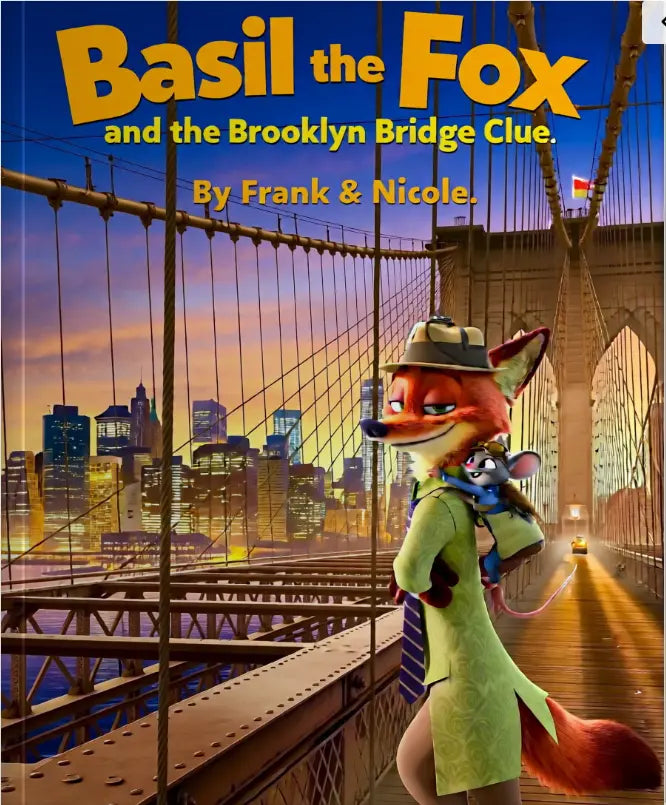
Some readers prefer setting-based curiosity. Others prefer puzzles or character growth. If you know what motivates your child, align the selection with that preference. You can evaluate options such as a river adventure in The Seine River Clue, or a location-driven challenge in The Brooklyn Bridge Clue.
7) Plan a reading support system
Even with strong books, children benefit from consistent support. Prepare a “reading support system” with three elements: brief preparation, guided reading prompts, and a short reflection after each session. This approach keeps reading engagement for kids stable because it connects effort to visible progress.

Clue cards, timeline arrows, and a comprehension checklist
8) Evaluate how the story supports recall
After reading, ask short, low-pressure questions that encourage recall. Examples include “Name one clue you noticed,” “What was the main problem,” and “How did the characters respond?” When recall is easy, children feel capable, and motivation increases.
9) Ensure the text encourages curiosity rather than only entertainment
Entertainment is valuable, but curiosity-driven narratives strengthen learning habits. Look for books that naturally stimulate questions, allow children to infer meaning, and reward attention to details. This is one reason clue-rich storylines can be effective: they create a built-in reason to keep reading.
10) Keep the library rotation simple
Do not overextend the library. Rotate a small set of books so your child can build familiarity. You can also introduce a “comfort book” for difficult days and a “challenge book” for steady progress days. This balance prevents reading fatigue and supports longer-term engagement.
Final Thoughts & Advice
Building reading engagement for kids requires a blend of thoughtful selection and deliberate support. Start with matched difficulty, clear story structure, and motivational themes. Then, reinforce reading through routines, minimal but meaningful prompts, and short reflection moments that strengthen comprehension.
When you choose books, prioritize materials that keep attention anchored: strong plot progression, clue-based curiosity, and character continuity. These features naturally encourage children to stay engaged because they can track goals and test predictions as the story unfolds. For families who want a coherent library, exploring related mystery adventures can streamline decisions and keep the reading path consistent. If you want a broader sense of compatible story experiences, you may also consider The Whispering Map as a complementary option for children who enjoy clue-driven discovery.
If a child resists reading, adjust one factor at a time. Reduce session length, increase choice within a small set, or offer more pre-reading context. Most importantly, treat reading as a relationship activity rather than a test. Over time, children internalize the habits that lead to sustained focus and confident comprehension.
Disclaimer: This article provides general educational guidance and is not a substitute for professional advice. Reading preferences and needs vary by child, and results may differ based on individual development, home environment, and instructional support.
Q&A
How can I tell whether my child is truly engaged while reading?
Look for observable signals such as sustained attention to the story, voluntary requests to continue, and the ability to retell key events with basic accuracy. Engagement also shows up when the child can answer simple “what happened” questions and can describe at least one clue, character goal, or problem-solving moment.
What should I do if my child loses interest after a few minutes?
Shorten the session immediately and lower the barrier to success. Choose a shorter text or a book with faster pacing, and use one light prompt before reading such as “What do you think the clue means?” Keep the discussion brief, and end the session while attention is still positive so the child associates reading with a rewarding experience.
Are mystery or clue-based books effective for reading engagement for kids?
They often are, because clue-based structures create built-in reasons to keep reading. Children can anticipate answers, track evidence, and experience a payoff when questions are resolved. When paired with supportive prompts, these narratives can strengthen comprehension and vocabulary through repeated exposure to descriptive and action-focused language.


Never give up. Today is hard, tomorrow will be worse, but the day after tomorrow will be sunshine.”

