

Updated on: 2026-05-19
Story collection for kids turns reading into an engaging routine. It lets children meet characters repeatedly while still discovering new adventures. When stories are grouped well, attention improves and reading stamina grows. This guide explains how to choose the right collection, how to avoid common pitfalls, and how to use short sessions effectively.
Introduction
Choosing a story collection for kids is not only a matter of entertainment. A thoughtfully selected collection supports motivation, builds comprehension through variety, and strengthens habits through repetition. In this article, you will learn what makes a children’s story collection work well, which mistakes reduce its value, and how to match a collection to your child’s interests and reading level.
For many families, the main challenge is not finding stories. The challenge is finding a set of stories that feel coherent, age-appropriate, and easy to revisit. You will also see practical ways to use a collection at home, including discussion prompts that keep children curious and independent.
Common Mistakes to Avoid
Choosing by length alone. A collection that is short but disconnected can feel random. Likewise, a very long set can overwhelm a developing reader. Aim for a balance: clear story arcs, varied settings, and manageable reading sessions.
Ignoring reading level and language complexity. Children grow when the difficulty is realistic. If vocabulary is too advanced, frustration increases. If it is too simple, attention may drop. Select stories that match the child’s current skills while still offering a small, healthy challenge.
Overloading with too many genres at once. Variety is valuable, but excessive variety can dilute focus. When a collection includes many unrelated themes, children may not develop attachment to characters. A better approach is to keep a consistent tone and style, while varying the plot and setting.
Skipping the pre-reading moment. A brief introduction helps children enter the story world. Without it, children may miss key context such as character goals, rules of the setting, or the central mystery. Five focused minutes can significantly improve engagement.
Using passive reading only. Listening is meaningful, but active involvement leads to deeper comprehension. When children predict outcomes, summarize scenes, or ask questions, they practice skills beyond decoding.
Pros & Cons Analysis
To make an informed decision, it helps to weigh the strengths and trade-offs of a kid-focused story collection.
Pros
- Improved motivation through continuity. Reappearing characters and familiar structures create comfort and curiosity.
- Better comprehension through repeated exposure. Children learn narrative patterns, even when plots differ.
- Flexible pacing. Each story can be read in one session or broken into parts without losing coherence.
- Natural opportunities for discussion. Shorter story units make it easier to talk about themes, feelings, and cause-and-effect.
- Support for different reading modes. Families can alternate between read-aloud and independent reading.
Cons
- Uneven engagement across stories. Some plots may resonate more than others, especially for children with strong preferences.
- Potential mismatch with interests. If the collection theme does not match a child’s curiosity, the child may disengage.
- Risk of inconsistent quality. Not all collections are edited with the same care. It is important to evaluate clarity, pacing, and coherence.
- Time management challenges. A large collection can tempt families to “start everything” without finishing. Finishing supports confidence.

Characters connect across stories, shown by linked icons
Continuity matters because it helps children remember names, goals, and rules. Linked symbols can represent how a collection builds familiarity while still offering new outcomes.
Quick Tips
Use these practical steps to select and use a story collection for kids in a way that improves consistency and enjoyment.
Match the collection to a clear goal
- If the goal is confidence, choose collections with short stories and repeatable narrative patterns.
- If the goal is sustained focus, choose collections that include mysteries, quests, or structured problem solving.
- If the goal is vocabulary growth, choose collections that use varied but understandable language.
Check for narrative cohesion
A strong collection often shares a tone, a central setting, or a recurring cast. Even when plots change, children benefit from a stable “home base” for attention. Cohesion also makes it easier to ask questions about character choices and consequences.
Try a simple routine
- Start with one short story from the collection.
- Pause after the first page or two to predict what may happen next.
- Finish with a one-sentence recap in the child’s words.
Use prompts that build thinking
Ask questions that guide attention without turning reading into testing.
- “What does the main character want right now?”
- “Which clue seems most important, and why?”
- “What would you do in the same situation?”
Keep sessions short and finish what you start
Short sessions reduce pressure. Finishing a story, even a single one, strengthens trust and makes the next session easier. If the child loses interest, switch to a different story in the same collection rather than abandoning the entire idea.
Leverage curated mystery-style collections
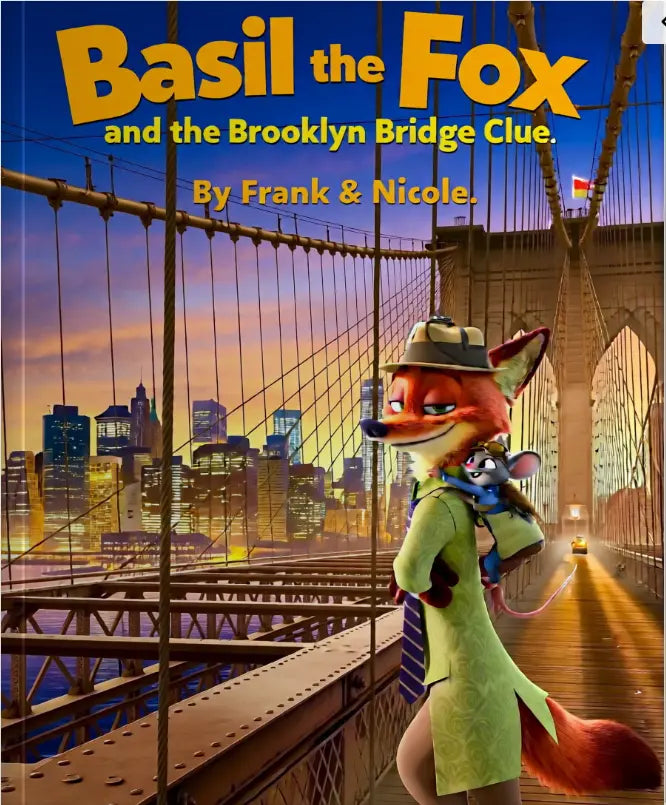
Mystery stories can be particularly effective because children naturally follow clues and anticipate outcomes. When the collection is well structured, each story provides a complete arc while reinforcing familiar reading habits. For families who value engaging, kid-friendly investigations, consider exploring the Basil the Fox series and related collections available from FN Library Online.

Clues on a map leading to a final answer
For later stories, mapping clues can illustrate the learning pattern. Children see how early details connect to later solutions, supporting comprehension and confidence.
Wrap-Up & Key Insights
A story collection for kids works best when it is coherent, appropriately leveled, and designed for frequent revisits. Avoid the common pitfalls of choosing only by length, ignoring language complexity, and relying on passive reading. Instead, select a collection that offers continuity and clear story arcs, then use short routines that promote prediction, recap, and thoughtful discussion.
Over time, a strong collection builds more than reading skill. It helps children develop the habit of finishing stories, trusting their own comprehension, and exploring new ideas through characters they care about. If you are building a home library, prioritize curated sets that invite curiosity and offer consistent structure. This approach keeps reading enjoyable and strengthens long-term engagement.
Call to action. Explore curated digital story options from FN Library Online to find collections that match your child’s interests and reading rhythm. If your child enjoys mysteries, start with a focused set and build momentum story by story.
Q&A
How do I choose a story collection for kids without knowing their exact reading level?
Begin with a collection that uses clear sentence structure and familiar narrative patterns. Read one story aloud or together first. If the child can follow events and answer basic questions about goals and outcomes, the level is likely appropriate. If confusion is constant, switch to a more accessible set and try again later.
Is a story collection better than single books for developing reading habits?
A collection often supports habit building because it reduces decision fatigue. Children can select another story within the same setting or cast without learning a new framework each time. This continuity helps maintain motivation, especially during busy weeks.
What is the best way to discuss stories with children who are quiet or reluctant to talk?
Use low-pressure options such as choice-based questions: “Would you solve it the fast way or the careful way?” or “Which clue feels strongest?” You can also ask for a single-sentence recap or have the child point to a moment they enjoyed. Gradually, extend questions to feelings and reasoning.
How many stories should a child complete from a collection before switching to something new?
There is no fixed number that fits every child. A practical approach is to complete at least two or three stories to establish familiarity and give the child a chance to find favorites. If interest stays low, move to another collection that matches themes the child chooses independently.
Disclaimer. This article provides general educational guidance. It does not constitute medical, legal, or financial advice. Individual reading needs vary, and caregivers should use professional support if concerns are significant or persistent.


Never give up. Today is hard, tomorrow will be worse, but the day after tomorrow will be sunshine.”

