

A good story routine can build language skills, attention, and family connection. Story bundles for kids collect multiple titles in one place, which makes it easier to vary themes and keep kids engaged. A strong bundle also supports different reading levels and interests. With a simple selection process and an intentional reading schedule, families can turn short reading sessions into consistent learning moments.
{Updated Date}Updated on: 2026-06-07
{Table of Contents}- What Are Story Bundles for Kids?
- Why Story Bundles Work for Young Readers
- Step-by-Step Guide
- Tips
- Examples of Ways to Use a Bundle
- FAQs
- CTA and Disclaimer
What Are Story Bundles for Kids?
Story bundles for kids are curated sets of children’s books designed to be read over time. Instead of choosing a single title, you select a group that shares an age-appropriate theme, style, or narrative world. Many bundles are built to support variety, so children can revisit familiar characters while also discovering new settings and plots.
Bundles can take many forms. Some families choose themed collections, such as mysteries, adventures, or fairy-tale retellings. Others select series-based sets so children become comfortable with recurring elements like character voices and story structure. The best approach depends on your child’s interests, reading readiness, and your household routine.
Why Story Bundles Work for Young Readers
Story bundles help families make reading more consistent. When multiple stories are available, it is easier to avoid decision fatigue. You also gain a broader range of vocabulary, pacing, and emotional arcs. That variety can strengthen comprehension because children learn to recognize patterns across different plots.
In addition, bundles support social and cognitive learning. Shared reading encourages turn-taking, discussion, and question asking. Children practice predicting outcomes and recalling details. When you rotate stories, you also give children repeated exposure to narrative elements such as setting, conflict, and resolution.
Another advantage is planning efficiency. A bundle reduces the need to search for a new book every time. This matters for busy families because it keeps reading within reach, even on ordinary days.

Story maps, icons, and emotion labels showing variety
Step-by-Step Guide
-
Assess reading stage and attention span. Start with a simple observation. Does your child enjoy short chapters, or do they prefer longer sessions? Consider decoding readiness, vocabulary familiarity, and stamina for sustained stories. This step prevents mismatch and supports steady progress.
-
Choose a theme that matches current interests. Interest-driven reading improves motivation. If your child likes problem-solving, consider mystery or clue-based stories. If they enjoy exploration, pick adventure or journey narratives. When the theme fits, children engage more deeply and ask more questions.
-
Select bundle structure: series, themed set, or mixed levels. Series-based collections build comfort. Themed sets add variety within one concept. Mixed-level bundles can work when more than one child shares the library. Choose a structure that matches how your household reads together.
-
Check diversity of story skills. A strong bundle includes multiple strengths. Look for books that cover cause-and-effect reasoning, descriptive language, dialogue variety, and clear endings. That range helps children develop comprehensive literacy skills.
-
Plan a reading schedule with realistic sessions. Consistency beats intensity. Use short sessions on weekdays and longer sessions on weekends if needed. Set a repeatable rhythm, such as reading a few pages after dinner or listening to a chapter during a calm evening routine.
-
Use a simple discussion method. Ask one or two targeted questions. Examples include “What clues did you notice?” “How did the character change?” and “What would you do next?” Keep questions brief to maintain engagement.
-
Track favorites and update the plan. After several readings, note which stories motivate your child. Use that information to decide whether to continue in the same theme or explore a new angle. This prevents passive reading and supports active learning.
-
Pair reading with lightweight activities. Activities reinforce comprehension without pressure. Children can draw a scene, list new vocabulary they remember, or act out a dialogue. These actions help consolidate ideas in memory.
Tips
- Start with one bundle, not five. A single curated set helps you learn your child’s preferences faster.
- Rotate formats if needed. If your child tires quickly, alternate between shorter stories and longer ones within the same bundle.
- Read with intentional pacing. Pause at key moments such as predictions or clue reveals. This encourages listening and comprehension.
- Support vocabulary through context. Choose one or two new words per story. Explain them using the sentence meaning, not a long definition.
- Keep the emotional tone balanced. A good mix of suspense, humor, and calm endings can help children maintain positive reading associations.
- Use bookmarks or a simple checklist. Mark what has been completed. Visible progress supports motivation and reduces resistance.
If you want a way to explore quality storytelling and curated digital formats, you may also consider collections from Saxon Andrew Publishing. This can complement your home library and broaden the types of stories you offer.
Examples of Ways to Use a Bundle
Families often benefit from using story bundles for kids in multiple settings. For example, you can use one book as a bedtime anchor and a second as a weekend “deep read.” You can also assign different roles during shared reading. One person can read dialogue while another focuses on clues, predictions, or summary statements.
Below are practical patterns that align with how children process stories. These approaches are designed to be flexible and evergreen.
- Clue-to-question routine: Before you read, preview the title or key illustration. After each segment, ask one question tied to the plot.
- Character connection: Invite your child to describe a character’s goal and share why the goal matters within the story.
- Story retell in three beats: Teach your child to retell “beginning, problem, resolution.” This structure improves recall.
- Curiosity pauses: Stop briefly at moments of uncertainty and ask what the child thinks will happen next.

Three-beat retell cards with beginning, problem, resolution icons
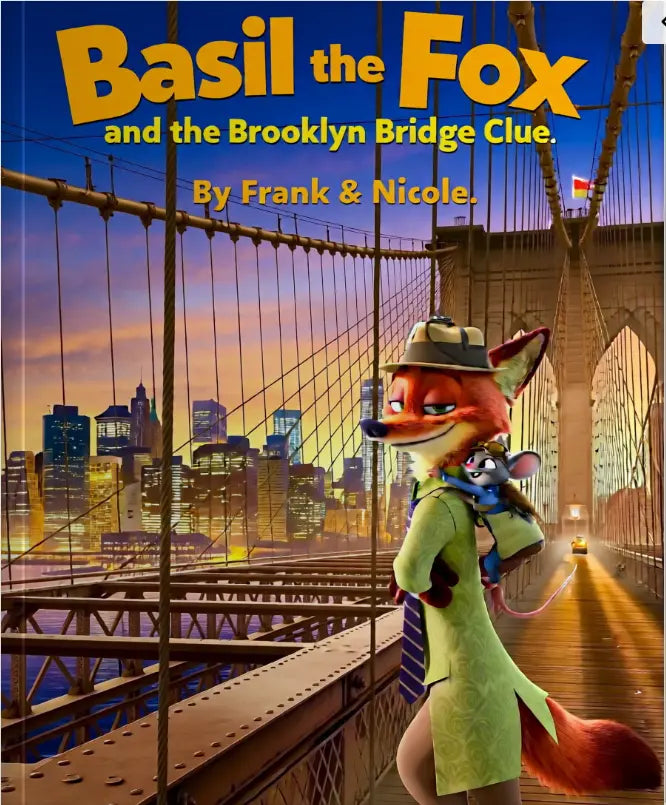
If you prefer a ready-to-browse digital catalog, you can explore clue-focused stories such as those featuring Basil the Fox. For instance, you can start with a bundle that includes multiple related ebooks at Basil the Fox city mystery bundle. You can also compare individual clue stories, including the missing midnight key or the secret of Central Park, to build a personalized reading path.
For older or more advanced readers, you can expand the routine by adding a short “evidence check.” Ask which details support a prediction. This method encourages careful listening and strengthens comprehension without turning reading into a test.
How to Select the Right Bundle for Your Child
Selection is strongest when it reflects both motivation and skill. Motivation comes from interest and emotional fit. Skill comes from reading level and narrative clarity. When you balance both, the bundle becomes a tool for learning rather than an item on a shelf.
Look for signs of narrative accessibility. Clear character goals, understandable cause-and-effect, and consistent pacing typically support comprehension. Also evaluate the readability of language and the clarity of illustrations or text structure, when applicable.
When multiple children share the same library, consider grouping stories by difficulty and length. Some households use separate reading tracks while still keeping one shared bundle for conversation time.
FAQs
Are story bundles for kids suitable for both independent reading and shared reading?
Yes. Many bundles are designed to work in both contexts. For shared reading, adults can guide discussion and vocabulary. For independent reading, children can choose stories that match their comfort level and confidence. If your child struggles with longer text, read the first section together, then transition to independent reading.
What is the best way to prevent boredom when reading a bundle?
Use rotation and choice. Alternate between short and longer titles, vary the reading time of day, and add brief discussion prompts that keep attention active. Track favorites and do not force completion of every title in sequence. A flexible approach maintains enthusiasm and preserves the value of the bundle.
How many stories should a family start with in one bundle?
For many households, starting with a moderate set is most effective. A smaller collection helps you understand preferences quickly. After a few weeks, you can expand with additional related titles or switch to a new theme that matches your child’s evolving interests.
CTA and Disclaimer
If you want a structured way to strengthen reading habits, consider building your next home library around story bundles for kids. Choose a theme, select an appropriate reading stage, and use a consistent routine. Over time, this approach can improve comprehension, vocabulary growth, and family connection through storytelling.
Disclaimer: This article provides general educational guidance for family reading routines. It does not provide medical, psychological, or legal advice. Always use your own judgment and consider your child’s individual needs when selecting reading materials.


Never give up. Today is hard, tomorrow will be worse, but the day after tomorrow will be sunshine.”

