

Updated on: 2026-07-04
Narrative adventures for kids turn reading into an active, repeatable experience rather than a passive activity.
These stories strengthen attention, vocabulary, and emotional regulation through meaningful goals, friendly stakes, and clear cause-and-effect.
To get the best results, choose age-appropriate complexity, predictable structure, and diverse characters that invite empathy.
Parents and educators can also use guided prompts and short routines to help children connect plot events to real-life choices.
Common Challenges
Narrative adventures for kids are often described as “fun,” but the real value is more precise: these books convert imagination into sustained engagement. When children follow a storyline, they practice sequencing, prediction, and problem-solving. However, many families encounter predictable obstacles when selecting or using adventure stories.
Challenge 1: “My child loses interest quickly.”
Short attention spans are not a character flaw. They are frequently a mismatch between the child’s current reading readiness and the book’s pacing. Look for stories with a clear opening, a recognizable goal, and scenes that progress with frequent turning points. A well-crafted narrative adventure usually includes curiosity triggers such as maps, riddles, or a simple mystery that invites the reader to keep going.
Practical solution: choose books with a stable rhythm. If a chapter ends with an immediate payoff or a new clue, children receive a natural incentive to continue.
Challenge 2: “The plot feels too complicated.”
Complexity can be helpful, but only when it supports comprehension. If there are too many names, locations, or abstract motivations, children may feel overwhelmed rather than challenged. For younger readers, prioritizing consistent settings and fewer character roles often leads to better outcomes.
Practical solution: scan for clarity signals such as straightforward time order, repeated locations, and cause-and-effect language. When children can explain “what happened next” in their own words, the complexity is likely appropriate.
Challenge 3: “The story does not match my values or sensitivity level.”
Adventure plots can include danger, obstacles, and misunderstandings. That is normal for storytelling. Still, children need emotional safety. Stories should emphasize resilience, kindness, and respectful boundaries, with challenges that can be discussed without shame or fear.
Practical solution: preview the tone and themes. Choose narratives where conflicts are solvable through effort, teamwork, and communication. Avoid stories that rely on cruelty or extreme distress without a constructive resolution.
Challenge 4: “We start reading, but we do not finish.”
Finishing is a skill that develops through routines. Families often begin with strong motivation but do not establish a predictable reading cadence. Narrative adventures for kids benefit from short, repeatable sessions because suspense compounds over time.
Practical solution: adopt a “micro-adventure” schedule. Read for a consistent duration, then pause right after a clue, a decision point, or a character change. This creates an emotional cliffhanger that feels earned rather than abrupt.

Family reading routine with clue symbols and checkpoints
What to Compare When Choosing Stories
Selecting the right narrative adventure depends on more than age labels. An effective match considers structure, language, and the cognitive role the story plays. Below is a comparison framework designed to help families and educators choose books with high engagement potential.
Pros and cons comparison checklist
| Story Feature | Benefits for Kids | Potential Downsides |
|---|---|---|
| Clear mission or goal | Improves sequencing and purpose | May feel repetitive if too predictable |
| Mystery or clue-based structure | Builds prediction and attention | Can frustrate if clues arrive slowly |
| Emotional stakes with recovery | Supports empathy and self-control | May feel intense if resolution is unclear |
| Multiple settings or mini-quests | Expands vocabulary and mental maps | May require extra guidance for younger readers |
Use internal browsing to find consistent adventure tone
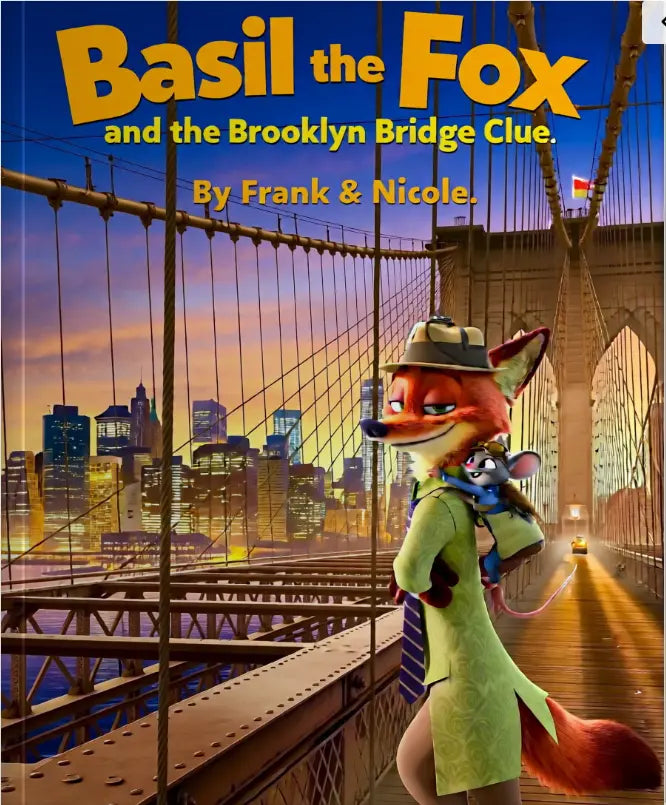
If you want a coherent experience across multiple stories, look for series-style character continuity, repeatable settings, and consistent narrative voice. For families who enjoy detective-style plots with warmth and curiosity, consider browsing adventure bundles and individual clues from a trusted digital bookstore. One example includes city mystery bundles that keep tone steady across episodes. For a specific starting point, you may also explore a single clue story to confirm fit before committing to a larger set.
How to evaluate language quality in under five minutes
To keep the selection process objective, focus on three quick checks. First, scan for varied sentence length: short lines for action, longer lines for explanation. Second, check for concrete vocabulary: words that describe what characters see, hear, and do. Third, confirm that dialogue is functional. In strong narrative adventures for kids, conversations move the plot forward rather than simply fill space.
Best-fit reading goals for different age bands
Families often ask how to choose without making the book “work.” The answer is to match the reading purpose. A story for early readers should emphasize repeated patterns and understandable character goals. A story for developing readers should include one layer of complexity per chapter: an extra clue, a new twist, or a revised plan. Older children can benefit from more subtle motivations and more challenging problem chains, provided the story still rewards perseverance.

Clue board and journey arrows showing “next steps” thinking
Turn reading into learning without turning it into school
It is possible to combine enjoyment with skill-building. Use guided prompts that do not interrupt momentum. After a chapter, ask one question that requires a single mental action.
- Prediction prompt: “What do you think the character will try next, and why?”
- Cause-and-effect prompt: “Which action changed the situation the most?”
- Perspective prompt: “How would a different character describe this moment?”
These prompts strengthen comprehension while keeping the session natural. They also support metacognition, which is the ability to reflect on how one understands a story. When children practice explaining plot logic, they gain transferable problem-solving habits.
Summary & Recommendations
Narrative adventures for kids are a strategic way to support engagement, comprehension, and emotional growth. The strongest stories typically offer clear goals, clue-driven momentum, and resolutions that reinforce resilience. When children can follow what happens next, understand why it happens, and feel safe through the challenge, reading becomes a reliable source of confidence.
For best results, apply three recommendations. First, choose stories with a predictable structure that still allows surprise. Second, set a routine that creates a sustainable reading cycle, especially when suspense builds across chapters. Third, use brief guided prompts that connect the story to thinking skills such as prediction, cause-and-effect reasoning, and perspective-taking.
If you want to explore adventure content with consistent tone and kid-friendly mystery mechanics, you can browse curated digital titles through FN Library Online. Consider starting with a single clue story to assess fit, then expand into bundles when your child demonstrates steady interest and comprehension.
Disclaimer: This article provides general educational guidance. It does not replace professional advice related to individual learning needs, behavior, or family circumstances. Always preview content for suitability and use your judgment when selecting materials for children.
Q&A
How do narrative adventures support learning beyond entertainment?
Well-constructed narrative adventures develop attention through ongoing suspense, vocabulary through concrete descriptions, and comprehension through cause-and-effect reasoning. They also encourage emotional literacy because children observe character coping strategies during setbacks and recoveries.
What is the best way to choose a story when I am unsure about my child’s level?
Start with clarity. Choose books that have a straightforward goal, readable pacing, and characters with understandable motives. During the first session, check whether your child can summarize the main event and name the next likely step. If yes, the complexity is probably a good match.
How long should we read each day for story-based engagement?
Short, consistent sessions usually work best. Aim for a routine that you can maintain. Reading long stretches can reduce follow-through if the child becomes tired. Instead, pause after a clue or decision point so your child feels motivated to continue.
Are mystery and adventure themes appropriate for sensitive children?
They can be appropriate when the tone remains constructive and the story resolves conflict through respectful choices. Look for narratives where obstacles are challenging but not cruel, and where characters model calm problem-solving. Preview the emotional intensity and discuss difficult moments calmly if they arise.


Never give up. Today is hard, tomorrow will be worse, but the day after tomorrow will be sunshine.”

