

Updated on: 2026-05-23
Mystery books for children offer more than entertainment. They strengthen vocabulary, sustain attention, and build confidence through problem-solving. A well-chosen story introduces patterns, clues, and logical thinking in an age-appropriate way. Parents and educators can use these narratives to encourage curiosity, careful reading, and meaningful discussion.
Table of Contents
Personal Experience or Anecdote
I first noticed the impact of mystery stories during an ordinary evening reading session. A child who usually lost interest after a few pages suddenly leaned forward when the plot introduced a hidden clue. The child did not ask for faster reading. Instead, the child asked questions about the suspect, the timeline, and what information was missing. The room became quieter, not because the child was sleepy, but because attention had turned into active thinking.
That moment clarified something important. Mystery books for children do not only rely on suspense. They also invite young readers to participate. Even when children cannot solve the case perfectly, they learn how good stories communicate evidence. They learn to notice details, compare possibilities, and revise their assumptions as new facts appear. When the solution finally arrives, the child experiences a complete arc: anticipation, investigation, and resolution.

Child reading clues with magnifying glass symbols
Key Advantages
When families select mystery titles, they often focus on excitement. However, the best mystery books for children also deliver practical learning benefits that support school readiness and lifelong reading habits.
- Stronger reading comprehension: Clue-based plots require careful attention to cause and effect. Children practice following details from early scenes to later conclusions.
- Vocabulary growth: Many mysteries include descriptive language, question words, and action verbs tied to observation and investigation.
- Improved critical thinking: Readers learn to weigh evidence. They form hypotheses and update them when the narrative provides new information.
- Better focus and persistence: A mystery naturally encourages children to keep reading. The promise of a reveal supports sustained effort.
- Conversation and social development: Mysteries are ideal for discussion. Parents can ask what the child noticed, what felt suspicious, and why.
- Confidence through partial success: Children can feel proud even when they cannot fully solve the puzzle. They are still practicing reasoning.
For a curated approach, many families prefer consistent characters and repeatable story structures. When a child returns to a familiar detective style, the reading experience becomes easier, and the mystery itself becomes more engaging.
If you are exploring story collections, consider the Basil the Fox adventure series designed for young readers who enjoy clue-driven plots. You can find related titles through city mystery bundle options and individual cases such as The Seine River Clue.

Path of clues forming a clear conclusion
Quick Tips
Use these short, practical steps to choose and support mystery reading without turning it into a test. The goal is curiosity, not pressure.
- Match the mystery to the child’s comfort level: Choose stories with suspense that feels safe and manageable. If a plot feels too intense, switch to a lighter case or a shorter book.
- Preview clue language: Scan for words like “evidence,” “observed,” “noticed,” and “mystery.” These terms guide reading habits toward careful attention.
- Ask clue-based questions: Use questions such as “What did you notice?” and “Which detail seems important?”
- Encourage predictions early: Before the reveal, ask the child to suggest what might happen next. Emphasize that predictions can change.
- Discuss the reasoning, not only the answer: When the case closes, ask why the child chose that explanation and what new information changed the view.
- Read in short sessions: Consistent reading blocks often help children retain clue details and stay motivated.
- Build a simple evidence routine: Suggest that the child track clues mentally by location, person, or object.
- Use variety to expand interests: Rotate settings and themes so that curiosity stays fresh across multiple mystery books for children.
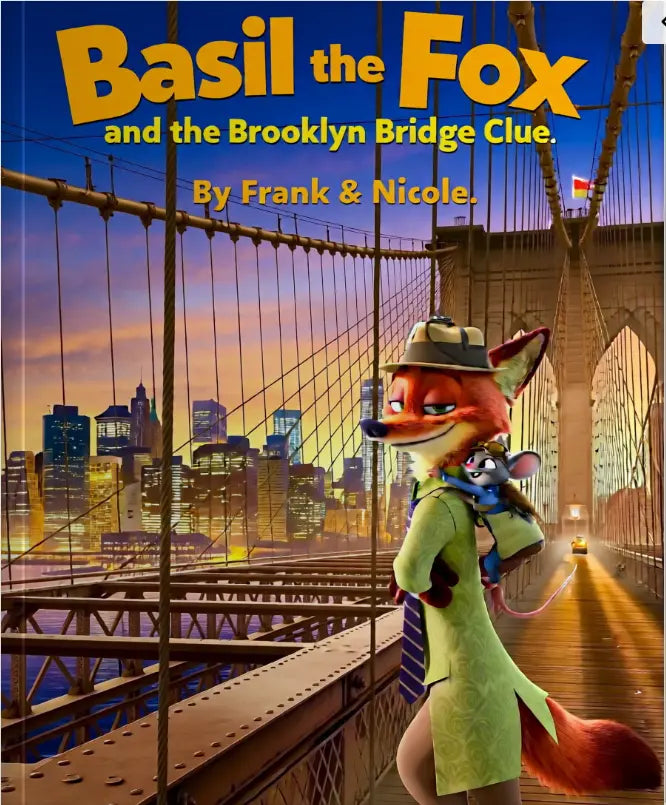
If your household prefers a steady series format, Basil the Fox offers multiple investigation settings and a consistent detective perspective. For example, you may consider a Brooklyn Bridge case or a Central Park investigation. Alternating locations supports engagement while maintaining the recognizable clue structure.
For families who want a different tone or an additional puzzle-driven experience, you can also explore a themed mystery story. The key selection rule remains the same: choose titles that feel interesting to the child and readable for their current level.
Summary & Next Steps
Mystery books for children create a rewarding reading loop. Clues increase attention. Investigation supports critical thinking. Resolution gives a sense of closure and progress. With the right selection and supportive discussion, these stories become a practical tool for building stronger comprehension and confident reasoning.
To move forward, consider taking one case-based title and treating it as a shared experience. Read a few scenes, pause to identify observed details, and allow the child to make a prediction. After the reveal, reflect on the reasoning path. This approach turns suspense into learning and curiosity into a habit.
If you are ready to explore curated digital adventures, visit the FN Library Online catalog and choose a mystery that fits the child’s interests and reading comfort. You can start with a series bundle for variety or select a single clue-driven case to test fit.
Disclaimer: This article provides general educational and reading guidance. It does not replace professional advice for specific learning needs. Always consider your child’s individual preferences, sensitivities, and reading level when selecting books.
Q&A
What age range suits mystery books for children?
Many children begin enjoying mysteries when they can follow a short sequence of events and respond to question-based discussion. As a general guideline, younger readers benefit from shorter plots with clear clue markers and consistent characters. Older readers often enjoy more layered evidence and longer detective arcs. Choose a title that matches the child’s current comprehension and comfort with suspense.
How can parents help without giving away the solution?
Focus on questions that guide observation. Ask what was noticed, what detail seems unusual, and what information is still missing. Encourage predictions before the reveal, but remind the child that answers can change. After the story ends, discuss the reasoning that led to the final conclusion rather than grading the outcome.
Are mystery stories appropriate for reluctant readers?
Yes, they can be effective when the suspense feels inviting rather than overwhelming. Mystery plots create a natural reason to keep reading, especially when each chapter adds a new clue. Reluctant readers often respond well to steady character voices, predictable pacing, and short scenes that allow quick progress.


Never give up. Today is hard, tomorrow will be worse, but the day after tomorrow will be sunshine.”

