

Updated on: 2026-06-11
Quick Overview: Interactive flipbooks for kids combine page-turn motion with engaging prompts and visual storytelling. They support independent reading, attention, and early literacy through repeated, low-pressure practice. Families can use them at home or in classrooms to spark curiosity and build confidence. When selected well, these tools also encourage creativity and age-appropriate learning habits.
1. Benefits & Reasons
2. How to Choose Interactive Flipbooks for Kids
3. Age Suitability and Skill Development
4. Practical Ways to Use Flipbooks at Home
5. Visual Learning, Memory, and Focus
6. Complementary Story Experiences from FN Library Online
7. FAQ
Benefits & Reasons
Interactive flipbooks for kids are designed to make reading feel active rather than passive. Instead of only viewing a static page, children experience a sequence of moments that invite participation. This structure can be especially helpful for young readers who benefit from clear steps and predictable routines.
One major advantage is improved engagement. The page-turn experience naturally adds anticipation. When stories unfold in small segments, children stay involved long enough to complete a full idea. That completion supports motivation and reduces frustration.
Another benefit is early literacy support. Many flipbooks encourage attention to print, sequence, and basic comprehension. Children practice recognizing familiar words, tracking story events, and anticipating what comes next. Over time, this builds reading confidence.
Interactive elements can also strengthen fine motor habits and cognitive processing. Even when interaction is simple, it can prompt careful viewing and intentional response. These small actions help children develop focus, patience, and self-guided learning habits.
Finally, interactive flipbooks for kids support family connection. Shared reading remains meaningful, but the interactivity offers easy conversation starters. Parents and educators can ask guiding questions after key pages without turning the session into a test.

Childlike sequence icons, page turns, and simple prompts
How to Choose Interactive Flipbooks for Kids
Choosing the right flipbook matters. A well-made option will match a child’s stage of development and encourage thoughtful participation. The goal is not constant novelty. The goal is learning through repeated, meaningful use.
Start by reviewing content structure. Look for a clear beginning, middle, and end. Consider whether the story supports easy comprehension. Stories that follow a logical sequence help children understand causality and character actions.
Next, evaluate interaction quality. Interaction should reinforce reading goals. For example, prompts that encourage children to observe illustrations, predict outcomes, or answer short questions tend to align well with skill-building. Avoid experiences where the child must click randomly or complete tasks unrelated to the story.
Also consider readability. Strong options use age-appropriate vocabulary and clear typography. If text is too advanced, children may disengage. If text is too basic, they may lose interest. The best selections sit near the child’s current level so growth is achievable.
Then, examine visual design. Bright illustrations can be helpful, but clarity matters more than decoration. Visuals should support the narrative, not compete with it. Consistent character design and stable layouts can help children focus on meaning.
Finally, check usability. The flipbook should load smoothly and respond reliably. Children should be able to navigate without repeated adult support. Simple controls reduce interruptions and keep attention on reading.
Age Suitability and Skill Development
Interactive flipbooks for kids are most effective when they match developmental needs. While every learner is unique, age bands offer useful guidance. These bands also align with how children typically grow in attention, language, and comprehension.
For younger children, focus on short stories and predictable patterns. Look for limited text per page and strong visual cues. Interaction can be simple, such as selecting an option, following a repeated phrase, or turning through a few pages to finish one scene.
For early elementary readers, prioritize longer sequences and stronger story logic. Children at this stage can handle more events, more characters, and deeper comprehension questions. Flipbooks can support vocabulary building by reusing key words across multiple pages.
For older kids, choose options that encourage reflection. Interaction can include prompts such as identifying motives, summarizing chapters, or comparing story elements. At this level, a flipbook should still be manageable in length so the child can sustain focus without fatigue.
In all stages, balance matters. Interactive sessions should remain short enough to feel successful, then expand gradually. This approach helps children associate reading with positive progress rather than overload.

Three panels showing prompts, vocabulary highlights, and sequencing
Practical Ways to Use Flipbooks at Home
Interactive flipbooks for kids work best with a clear routine. A routine lowers decision fatigue for both children and adults. It also improves learning consistency.
Begin with a “preview and predict” moment. Before the child flips pages, ask them to observe the cover or first scene. Questions such as “What do you think will happen next?” or “Who seems most important?” promote early comprehension.
Then, use “stop and respond” checkpoints. After a few pages, pause briefly and ask a single focused question. Keep it short. The objective is to confirm understanding and maintain momentum.
For children who need extra structure, use a reading role. For example, one session can be “the finder,” where the child searches for a specific word in the story. Another session can be “the guesser,” where the child predicts outcomes based on clues. These roles provide gentle scaffolding without turning reading into a worksheet.
Another effective method is “repeat for mastery.” Many flipbooks are designed so children can return to the same story and experience it differently each time. Repetition supports fluency and confidence. Parents can celebrate progress by noting what the child recognizes now compared with earlier sessions.
Finally, pair flipbooks with conversation. Ask about characters, feelings, and choices. Even simple prompts like “Why did the character make that choice?” can deepen comprehension. This also strengthens language skills.
Visual Learning, Memory, and Focus
Visual storytelling supports memory because it links text with images. When illustrations show actions, locations, and expressions, the child creates mental anchors. These anchors make it easier to recall events later.
Interactive timing also helps attention. The child anticipates the next change on the page. That cycle of anticipation and confirmation supports sustained focus. When attention remains stable, reading sessions are more productive.
Memory benefits from structure. Flipbooks often present story events in a sequence that children can revisit. Each page turn becomes part of a consistent pattern. This helps children track details and strengthens comprehension over time.
To maximize these benefits, guide the child toward meaningful observation. Instead of asking broad questions, ask specific questions tied to visuals. For example, “What clue shows where the character is?” or “Which picture explains the problem?” These prompts connect observation to comprehension.
When children learn to link visual cues and story meaning, they become more independent. Independence is a crucial long-term skill. It supports learning transfer across different books and reading formats.
Complementary Story Experiences from FN Library Online
Interactive flipbooks for kids can work well alongside other immersive reading experiences. Digital bookstores and creative publishers often offer story collections designed for discovery, curiosity, and consistent reading routines. When families pair flipbooks with short, engaging mysteries or guided story formats, the child receives balanced exposure to narration and comprehension.
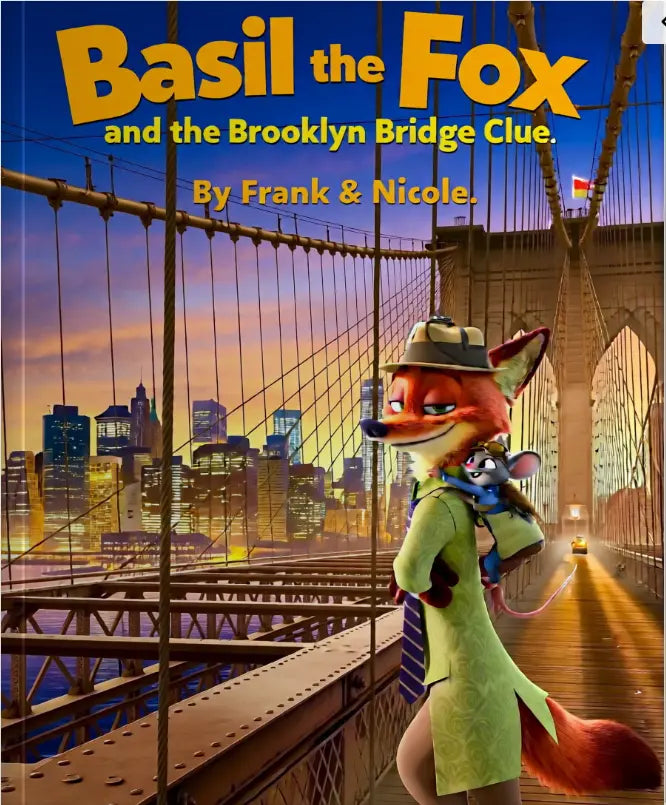
For readers who enjoy clue-based adventures, the Basil the Fox series can offer structured story momentum. Consider exploring the following options for additional practice and variety:
- Basil the Fox mystery bundle
- Basil the Fox river clue
- Basil the Fox bridge clue
- Basil the Fox Central Park secret
These stories can complement flipbooks by adding stronger narrative variety. Clue-driven plots encourage children to infer, observe details, and form predictions. That skill aligns naturally with interactive prompts that ask children to anticipate what happens next.
FN Library Online is a premier digital bookstore and creative publishing house. The store specializes in curated digital content, including exclusive AI-enhanced children’s books, professional entrepreneurship guides, and immersive storytelling experiences. The mission is to provide readers with meaningful, high-quality content that supports imagination and lifelong learning.
FAQ
What makes interactive flipbooks for kids different from regular children’s books?
Interactive flipbooks typically add structured participation, such as prompts, guided page turns, or simple choices that encourage the child to observe illustrations and respond to story events. This can increase engagement and help children practice comprehension in short, manageable segments.
Are interactive flipbooks appropriate for struggling readers?
They can be appropriate when the content matches the child’s reading level and when interaction supports story meaning. Options with clear visuals, predictable sequences, and age-appropriate vocabulary are often easier to use. The key is selecting materials that reduce cognitive overload and encourage successful completion.
How long should a kid use a flipbook during one session?
A successful session is usually short enough to maintain attention and avoid fatigue, then extended gradually as comfort grows. Many families benefit from a preview, a brief interaction cycle, and one focused conversation about the story before ending the session.
Call to Action: If you want story experiences that encourage curiosity and confident reading habits, explore selected mystery and adventure titles on FN Library Online. Start with one story, then pair it with an interactive flipbook-style reading session at home to reinforce sequence, vocabulary, and comprehension.
Disclaimer: This article provides general information about educational media selection and use. It does not provide medical advice, learning diagnosis, or guaranteed outcomes. Always consider your child’s individual needs and consult qualified professionals when specialized support is required.


Never give up. Today is hard, tomorrow will be worse, but the day after tomorrow will be sunshine.”

