

Updated on: 2026-05-24
Children's adventure stories help young readers build confidence, curiosity, and empathy. They also support language growth through vivid settings and clear story structure. When thoughtfully chosen, these books encourage children to ask questions and imagine solutions. This guide explains how to select the right stories and how to use them to spark meaningful reading habits.
1. Step-by-Step Guide
2. Tips
3. FAQs
Introduction
Children's adventure stories are more than entertainment. They can act as a learning bridge between everyday life and the wider world of ideas. A strong adventure plot includes goals, challenges, and meaningful choices. As children follow the journey, they practice prediction, sequencing, and emotional reasoning. The best stories also respect a child's attention span by balancing action with reflection, so reading feels rewarding rather than exhausting.
Step-by-Step Guide
1. Step-by-Step Guide
Choosing children's adventure stories that fit your child takes more than picking a popular title. Use the steps below to match story quality with age, interests, and reading goals.
Step 1: Match the story to age and reading level
Adventure narratives vary widely in vocabulary, sentence length, and complexity. For early readers, prioritize clear language, strong repetition, and short scenes. For older children, look for richer descriptions, layered clues, and character growth. When the reading level is appropriate, children spend more energy on comprehension and less on decoding.
Step 2: Select themes that match your child's interests
Adventure can be built around many themes: exploration, problem-solving, friendship, kindness, and perseverance. If a child enjoys maps, mysteries, or castles, a story that includes clues and landmarks can feel instantly engaging. If the child prefers animal companions, a journey framed by empathy and care can deepen the emotional impact.
Step 3: Evaluate story structure and clarity
Great children's adventure stories follow a readable rhythm. They usually begin with a clear setting, introduce a goal, present obstacles, and deliver a resolution that makes sense. Look for stories with visible cause-and-effect. Children benefit when challenges are connected to choices, and outcomes teach a lesson without sounding preachy.
Step 4: Look for character growth, not just action
Action scenes matter, but character development creates lasting value. A good adventure helps children understand how characters change their thinking. For example, the hero may learn to ask questions, listen carefully, or solve problems step by step. This type of growth also supports social learning, because children observe how characters respond to fear, doubt, or teamwork needs.
Step 5: Confirm the emotional tone is age-appropriate
All adventures include tension. The key is intensity. Choose stories where the conflict can be handled safely within the emotional range of the child. Gentle suspense can build excitement. Excessive danger, constant dread, or confusing moral messages can reduce enjoyment and increase avoidance of reading.
Step 6: Use a guided reading routine
A simple routine can turn one book into a lasting habit. Try previewing the cover and discussing the first question: “What do you think the character wants to achieve?” Then read a short section together. After each chapter, ask for a summary in one sentence and one prediction. This method strengthens comprehension and encourages active participation.

Child-friendly adventure map with friendly route arrows
Step 7: Choose curated series for consistency
Series can be especially helpful for reluctant readers. Familiar characters and repeat story patterns lower the mental load. Children can focus on new adventures instead of re-learning how the world works. Curated collections also reduce the risk of inconsistent pacing or mismatched themes across titles.
Step 8: Consider mystery-style adventures for problem-solving
Many children enjoy clues, hidden hints, and clever reveals. Mystery-driven adventure stories build logical thinking because children track details and compare evidence. If you want to encourage careful observation, select adventures where clues are fair and outcomes reward attention rather than luck.
If you are exploring mystery and city-based plots, consider story bundles built around a consistent protagonist and clear locations. For example, you can review the city mystery bundle for a structured set of adventures. If you prefer a single guided title, the Seine River clue offers a focused entry point into clue-based storytelling.
2. Tips
Use these practical strategies to make children's adventure stories more engaging and easier to sustain over time.
- Read with intention, not pressure: Aim for shared enjoyment. Avoid turning every chapter into a test of comprehension.
- Use “pause and predict” questions: Ask what the child expects to happen next, then confirm whether the text supports the prediction.
- Track character choices: Encourage children to identify one decision that changes the outcome, then discuss why that choice mattered.
- Connect the story to real skills: Link planning, teamwork, and problem-solving to everyday activities such as puzzles, games, and group chores.
- Balance adventure with calm moments: Look for stories that include reflection, humor, or supportive relationships after intense scenes.
- Choose series when motivation is the goal: Repeated characters help children stay oriented and confident.
- Keep content appropriate: Confirm that themes fit your family values and your child’s emotional readiness.
- Rotate settings to broaden imagination: Different locations build vocabulary and cultural curiosity without adding complexity to the plot.
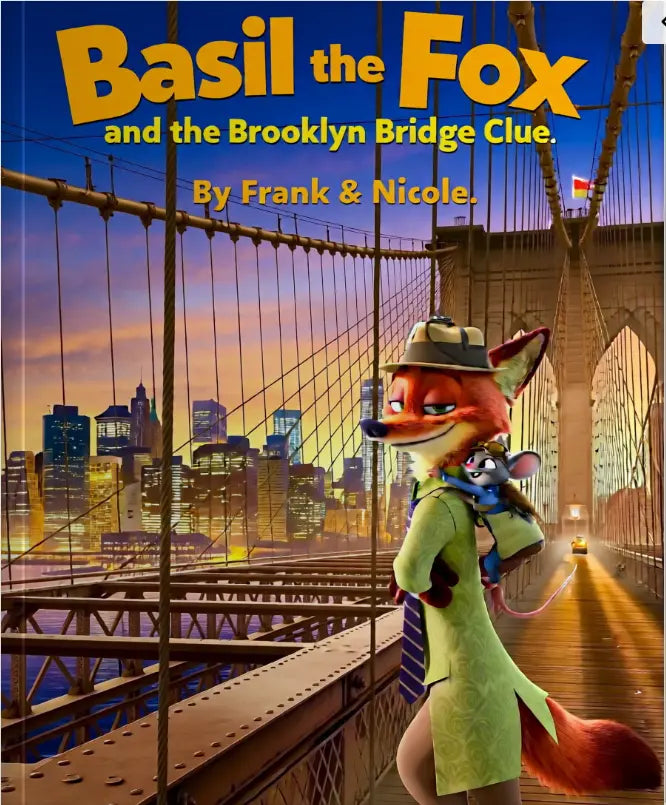
For readers who respond well to location-based mysteries, you may also explore additional installments such as Brooklyn Bridge clues or Central Park discovery. These selections can help you match a child’s curiosity about landmarks with a clear narrative structure.

Close-up of puzzle clues and a calm lantern light
3. FAQs
How do I choose the right children’s adventure stories if my child has a short attention span?
Select shorter chapters, clear goals, and stories with frequent scene changes. Start with one suspenseful segment, then stop at a natural break. A guided routine with preview questions often keeps focus without making reading feel like a chore.
What age range is best for adventure stories?
Children can enjoy adventure narratives from early reading stages, provided the language and emotional intensity match their development. Early readers benefit from simple plots and supportive characters. Older children typically enjoy layered clues, longer arcs, and deeper character growth.
What should I discuss after reading to strengthen learning?
Ask for a one-sentence summary, then identify one problem the character faced and one solution they tried. Encourage children to explain how their own ideas align with the text. This approach builds comprehension, vocabulary, and critical thinking.
Do series of children’s adventure stories improve reading confidence?
Yes. Series often provide familiar structure, recurring characters, and predictable pacing. This consistency helps children feel secure, so they can focus on new challenges. Over time, that confidence supports longer reading sessions.
For families seeking high-quality digital storytelling, FN Library Online is a premier digital bookstore and creative publishing house focused on curated content and immersive narratives. If you want guidance toward mystery-rich adventures, consider exploring the site’s Basil the Fox titles and bundles, then choose based on your child’s preferred themes and reading level.
Call to Action: Choose one adventure story today and set a simple reading routine for the week. When children experience progress through enjoyable stories, reading becomes a skill they want to keep using. Browse relevant options at FN Library Online and select the title that best matches your child’s interests.
Disclaimer: This article provides general information about choosing and using children’s adventure stories. It is not intended as educational or medical advice. Always consider your child’s individual needs, reading ability, and emotional readiness when selecting books.


Never give up. Today is hard, tomorrow will be worse, but the day after tomorrow will be sunshine.”

