

Updated on: 2026-05-09
Educational e-books for kids can strengthen reading skills while making learning engaging and structured. The right content supports vocabulary growth, comprehension, and curiosity through age-appropriate activities. Parents and educators can use a guided approach to ensure children stay focused and build consistent habits. With thoughtful selection criteria, e-books can complement classroom learning and home routines without adding unnecessary complexity.
TLDR
Table of Contents
Introduction
How-To Guide
Common Questions Answered
Next Steps
Educational E-Books for Kids: A Practical Way to Support Lifelong Learning
Many parents and educators look for learning materials that feel motivating, stay developmentally appropriate, and reinforce core skills. Educational e-books for kids offer a flexible format that can travel with families, align with classroom themes, and support independent practice. When chosen thoughtfully, digital reading experiences help children build comprehension, expand vocabulary, and develop a steady learning mindset.
This article explains how to select high-quality titles, how to use them effectively, and how to measure progress in a way that remains simple and encouraging. You will also find common answers to questions that arise during real-world use, including how to balance screen time and how to choose content across age ranges.
How-To Guide
Use this step-by-step method to choose and implement educational e-books for kids in a way that strengthens learning outcomes without overwhelming your child.
1) Define the learning goal for the next reading session
Start with a clear objective. For example, you may want your child to improve letter recognition, build story comprehension, or practice early math concepts. A focused goal prevents random browsing and helps you select the right type of content.
2) Match the book to your child’s reading level and attention span
Reading level matters, but so does pacing. Choose short chapters, readable layouts, and age-appropriate themes. If the child often loses interest, select content with strong visual cues, recurring characters, and predictable reading routines.
3) Look for interactive learning design
Strong educational e-books include comprehension checks, prompts for reflection, and activities that turn reading into practice. Look for features such as guided questions, vocabulary highlights, and follow-up tasks that encourage children to apply concepts.
4) Use a consistent routine to build reading habits
Plan a predictable time window. Then use a simple structure: preview, read together or independently, pause for one or two questions, and finish with a brief recap. Consistency supports motivation and reduces friction.
5) Ask high-quality questions instead of testing
Ask questions that promote thinking. For example, request predictions, character motivations, or cause-and-effect explanations. This approach builds comprehension and encourages children to stay actively engaged with the text.
6) Track progress with observations, not grades
Use short notes about what improved: longer attention during reading, more frequent use of new words, better summaries, or stronger understanding of plot details. Observations remain practical and align with how parents and educators support growth.

Checklist visuals for goals, level fit, and routines
7) Add domain variety while staying coherent
Rotate between story-based learning and concept-based practice. A balanced mix helps children connect ideas across subjects. For instance, a mystery story can strengthen reading stamina and inference skills, while a science-focused text can build curiosity about how the world works.
When you want additional structure, consider curated collections from reputable digital publishers. FN Library Online is a premier digital bookstore and creative publishing house with a focus on high-quality, curated digital content, including exclusive AI-enhanced children’s books and immersive storytelling experiences. Their catalog can be a helpful starting point when you want to browse with confidence and save time.
If you are also exploring creative writing and learning support from outside your usual sources, you may find inspiration at Letters To Journal Company.
Common Questions Answered
Below are concise answers to common questions about educational e-books for kids. These responses are designed to support everyday decisions without creating pressure or unrealistic expectations.
What age range benefits most from educational e-books for kids?
Most children benefit, but the key is matching content to developmental needs. Early learners gain from clear visuals and short segments, while older children benefit from longer narratives, vocabulary challenges, and structured comprehension prompts. When in doubt, choose a title with adjustable pacing or a predictable format.
How can I balance screen time with reading goals?
Balance is about intention. Choose sessions with a clear learning purpose, keep them short at first, and pair reading with discussion. If your child becomes distracted quickly, consider a shared reading approach, where you read together for part of the time and gradually increase independence.
How do I know whether an e-book is truly educational?
Look for alignment between the story or content and learning outcomes. Effective materials encourage active thinking, introduce useful vocabulary, and provide prompts that support comprehension. Avoid content that is purely entertaining without any built-in learning structure.
Can mystery or storytelling still support academic skills?
Yes. Stories can strengthen inference, sequence, and vocabulary when the child engages with questions about motives, clues, and outcomes. Mystery formats often encourage close reading because children want to understand details and solve problems logically.
How to Select High-Quality Titles
Not all digital books create the same learning value. A careful selection process saves time and reduces the chance that a child will struggle with pacing or content complexity.
Prioritize clarity, structure, and readability
Choose books with readable typography, manageable page flow, and a consistent structure. These features reduce cognitive load and support smooth comprehension. When the presentation is clear, the child can focus on ideas rather than struggling to decode the format.
Confirm engagement through evidence of active learning
Look for prompts that invite reflection and explanation. Educational e-books should encourage children to think beyond the surface level. Clue-based tasks and vocabulary usage in context are strong signs of educational value.
Ensure the scope fits the child’s current stage
A title that is too advanced can cause frustration, while one that is too basic may reduce motivation. Select content that challenges the child slightly while remaining achievable.
Check the consistency of themes and learning styles
Some children learn best through repeating patterns. Others prefer variety. Choose books that match the child’s learning preferences and build a routine around those formats.

Mind map linking reading skills to story clues
Using Curated Story Collections to Build Skills
Story-based reading can be one of the most effective routes to skill development when it is paired with purposeful discussion. Mystery story formats naturally support attention to detail and logical reasoning. They also create an emotional incentive to keep reading because children want to reach a solution.
If you want to explore guided, story-driven options, you can browse related collections on FN Library Online. For example, you may consider the following titles and series pages:
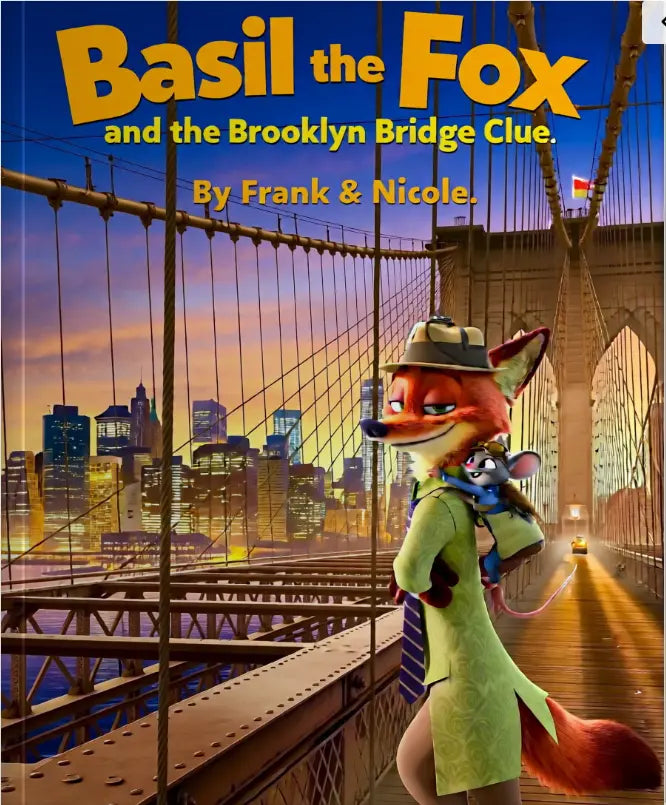
- Basil the Fox mystery bundle
- A Basil the Fox clue story
- Professor Paws reading adventure
- The acorn lantern mystery
When using these types of books, ask one or two questions per chapter. Focus on cause and effect, reasoning about clues, and summarizing key events. This method turns entertainment into structured practice and helps children build stronger comprehension over time.
Summary of the Approach
Educational e-books for kids work best when you select intentionally, use a consistent routine, and ask questions that deepen understanding. Define a clear goal, match reading level, and choose content that supports active learning. Track progress through observations, not test scores. With these steps, digital reading becomes a reliable part of your learning strategy rather than a casual distraction.
Next Steps
If you are preparing for the next reading session, select one goal and one title. Then plan a short preview, a focused reading period, and a brief recap discussion. This simple process helps children build confidence and sustain motivation.
Disclaimer: This article provides general educational guidance. It is not a substitute for professional advice from qualified teachers, learning specialists, or licensed health practitioners. Individual results vary based on age, learning needs, and home or classroom context.


Never give up. Today is hard, tomorrow will be worse, but the day after tomorrow will be sunshine.”

