

Updated on: 2026-05-17
This article explains how to choose age-appropriate ebooks for readers with different reading levels and interests. It offers a practical, step-by-step method to match content complexity, themes, and format to a child’s stage of development. You will also learn how age-fit reading can strengthen literacy habits and support family reading routines. Finally, the guide includes next steps and a question-and-answer section to help you make confident choices.
Table of Contents
Choosing the right digital reading material is more than a matter of taste. Age-appropriate ebooks help children build confidence, practice core literacy skills, and engage with stories that match their attention span and background knowledge. When reading content is aligned with a reader’s current level, motivation increases and reading becomes a reliable daily habit. This guide provides a professional framework for selecting age-fit ebooks across early learning, middle childhood, and developing independence, with practical steps you can apply immediately.
Practical Guide
Use the steps below to select age-appropriate ebooks with a clear, repeatable process. This approach reduces trial and error and improves the odds that a book will be both accessible and engaging.
1) Match reading level to comprehension capacity
Start with the reader’s comprehension capacity, not only their ability to decode words. Look for cues such as sentence length, vocabulary range, and the clarity of the plot. If a child can technically read but struggles to follow the story, the book is likely too advanced. If the child reads easily but finishes quickly without engagement, the book may be too simple. The best match supports steady growth: challenging enough to be meaningful, but not so difficult that frustration increases.
2) Evaluate themes and emotional readiness
Age-fit reading also depends on themes. Consider whether the story includes conflict, fear, mystery, or stressful situations and whether the reader can process those elements. Younger readers often benefit from gentle tension and predictable resolution. Older readers can handle more complexity in character motivation and cause-and-effect relationships. Choose books that respect the reader’s emotional readiness and that provide opportunities for guided discussion.
3) Confirm structure, pacing, and readability format
Digital formats can vary in how they support pacing and readability. Check for readable font sizing options, clear chapter breaks, and formatting that does not overload the page. For younger readers, short sections and recurring patterns can improve persistence. For developing readers, a consistent narrative structure can support comprehension. When you preview the first pages, focus on whether the story hooks quickly and whether the text layout remains easy to track.

Checklist icons for level, themes, and pacing
4) Choose genre purpose: practice, pleasure, or skill building
Not every ebook has to serve the same purpose. Some books are best for enjoyment and fluency through repeated reading. Others can support vocabulary growth, narrative writing, or critical thinking. Mystery and adventure stories often encourage attention and prediction skills. If you want a story-driven approach, select titles that include clear clues, logical sequences, and satisfying resolution. When you define the purpose, you can select an age-appropriate ebook that aligns with the goal.
5) Use an interest filter and reduce cognitive overload
Reading motivation improves when the topic matches the reader’s interests. However, strong interest is most effective when the text complexity is managed. A highly engaging theme combined with excessive vocabulary can reduce comprehension. Aim for balance: a familiar entry point, then gradual expansion of vocabulary and ideas. This balance is especially useful when parents and educators support a routine where the child reads for a set amount of time.
6) Plan a guided reading session with simple checkpoints
Age-appropriate ebooks become more effective when readers know what to do during reading. Use brief checkpoints such as “What just happened?” and “What do you think will happen next?” If the book is for independent reading, adjust the checkpoint frequency. For early readers, ask for a single-sentence summary after each short section. For older readers, invite them to identify clues, compare characters, or explain why a choice makes sense.
7) Look for accessibility and practical usability
Practical usability matters for sustained reading habits. Confirm that the ebook is easy to access, navigate, and resume. Consider whether the child can return to the correct page and whether the ebook supports comfortable reading sessions. If multiple devices are used, check consistency in how the reader resumes. Reliability reduces friction, which supports consistent engagement.
Key Advantages
When age-appropriate ebooks are selected with attention to reading level, themes, and usability, the results are measurable in day-to-day reading behavior.
- Stronger comprehension and confidence: Text complexity that fits the reader reduces cognitive strain and supports story understanding.
- Improved vocabulary growth: Age-fit books introduce new words in context, supporting natural language development.
- More consistent reading routines: When stories match attention span and interests, the reader is more likely to finish and return.
- Better family engagement: Guided discussion becomes easier because themes and events are appropriate for the reader’s emotional readiness.
- Higher learning transfer: Skills practiced in story contexts, such as sequencing and inference, can transfer to comprehension tasks across subjects.
- Greater selection efficiency: A repeatable selection framework reduces purchasing waste and supports thoughtful curation.
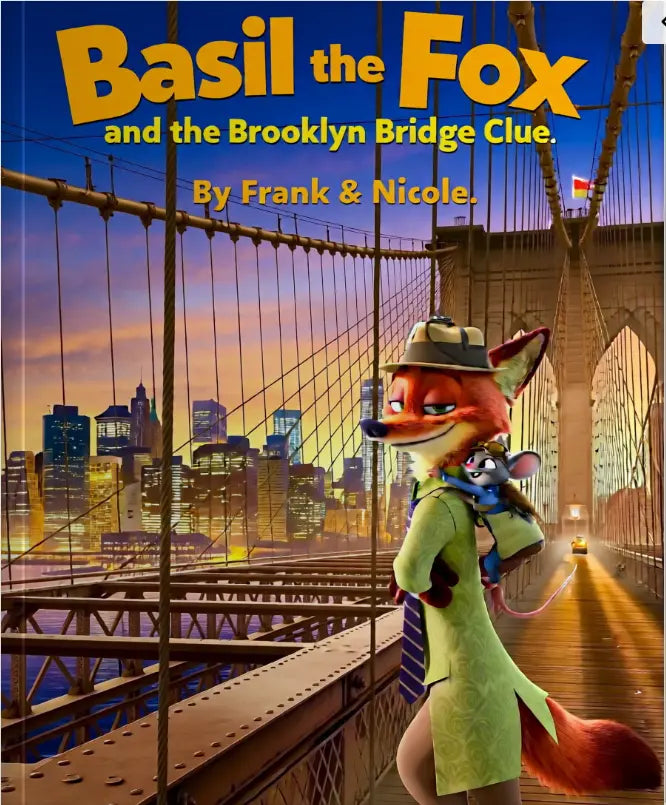
For readers who enjoy engaging storytelling, curated digital mysteries can also serve as a structured path into comprehension practice. If you want a story-focused collection approach, you can explore digital titles from FN Library Online that emphasize readability, coherence, and engaging narrative arcs. For example, you can review a mystery bundle here: Basil the Fox mystery bundle. You can also choose a single clue story to match a specific reading session: Seine River clue story or Brooklyn Bridge clue story.

Discussion bubbles and progress markers in a reading plan
How to build a balanced digital reading library
After selecting one or two age-appropriate ebooks, expand gradually to form a balanced reading library. Use a mix of genres and reading purposes, such as one comfort story, one skill-building story, and one curiosity-based story. Rotate books so that the reader experiences both reliability and variety. When you add new ebooks, use the same selection criteria again. A balanced library supports long-term motivation and ensures that the reader is not stuck with content that is either too easy or too difficult.
For readers who want a guided route into themed storytelling, explore additional clue-based options from FN Library Online, such as Central Park clue story or Whispering Map clue story. These selections can support consistent practice in attention, sequencing, and inference while remaining accessible when matched to the reader’s level.
Summary & Next Steps
Age-appropriate ebooks support comprehension, motivation, and a stable reading routine when they align with reading level, theme readiness, structure, and usability. Use the practical guide as a repeatable method: match comprehension capacity, evaluate themes, confirm readability format, filter by interest and purpose, and plan guided checkpoints. Over time, these steps help you build a curated digital library that strengthens literacy skills without causing unnecessary stress.
Next steps: Select one ebook that fits the reader’s current level, preview the opening pages for structure and pacing, and run a guided discussion session with one or two checkpoints. Then add one more ebook that extends the challenge slightly. Continue the cycle until you find a sustainable mix of comfort, curiosity, and skill development.
Q&A
How can I tell if an ebook is truly age-appropriate?
Age-appropriate ebooks are best determined by comprehension, not only by the reader’s grade or age. Evaluate vocabulary range, sentence complexity, and story clarity. Also assess themes and emotional intensity. If the reader can retell key events and connect ideas without excessive struggle, the ebook is likely a strong match.
Are longer ebooks always better for building reading stamina?
Longer ebooks can help build stamina, but only when the reader can maintain comprehension. For many readers, shorter sections within a longer narrative support persistence. Choose structure that allows achievable progress, such as clear chapter breaks, consistent pacing, and manageable text density. Stamina grows when frustration stays low and success stays frequent.
What is the best way to use ebooks for literacy growth?
Use a simple routine: read with a checkpoint and then reflect briefly. After each short section, ask for a summary, an inference, or a prediction. This practice strengthens comprehension skills and supports vocabulary development in context. Over time, gradually reduce the level of support as the reader builds independence.
Should I buy multiple ebooks before knowing what works?
It is generally more efficient to test first. Start with one age-appropriate ebook that aligns with level and interest. After a successful reading session, add one or two additional titles with the same selection criteria. This reduces the chance of accumulating books that do not fit the reader’s needs.
Disclaimer: This article provides general educational guidance and selection criteria. Reading needs vary by individual. Always consider the reader’s specific circumstances, preferences, and comfort level when selecting any digital content.


Never give up. Today is hard, tomorrow will be worse, but the day after tomorrow will be sunshine.”

