

Updated on: 2026-06-27
Children’s literature about friendship helps young readers recognize feelings, practice empathy, and learn how to handle conflict. Well-written stories show that friendship includes kindness, honesty, and respectful boundaries. When caregivers choose books with strong character growth, children gain language for social situations. Used consistently, story time can support classroom readiness and healthier peer relationships.
Why Friendship Stories Matter
Children’s literature about friendship does more than entertain. It offers a safe space to explore social life without real-world risk. In stories, children can see what friendship looks like, how it changes, and how characters repair harm after disagreements. These narrative experiences support emotional literacy and help children understand that relationships require effort.
Friendship books also provide concrete examples. Young readers learn how characters share, listen, include others, and resolve misunderstandings. They also encounter complex themes such as jealousy, exclusion, and peer pressure, usually in age-appropriate ways. As a result, children develop a wider set of responses for real interactions.
For caregivers and educators, these books serve as discussion tools. A simple question like “What did the character do next?” can prompt children to reflect on choices and consequences. Story time can become a calm routine that strengthens communication skills and promotes respectful behavior.

Two story characters share a calm, open conversation
Pros & Cons of Children’s Literature About Friendship
Not every book supports healthy social development. The best options align with the child’s developmental stage and offer constructive outcomes. Still, even weaker books can be useful if they are guided through thoughtful conversation. Below are key benefits and limitations to consider.
Pros
Builds emotional vocabulary through characters’ feelings and reactions.
Models empathy by showing how one character understands another.
Normalizes conflict and demonstrates repair through actions, not speeches.
Encourages perspective-taking by placing children in different roles.
Supports routines for conversation and reflection during story time.
Cons
Some stories oversimplify conflict by using quick, unrealistic fixes.
Others may reward popularity over kindness, which can distort values.
Occasionally, characters avoid accountability, which reduces learning.
Overexposure to a single friendship model can limit children’s flexibility.
A careful selection process can reduce these drawbacks. Even when a book is imperfect, guided discussion can turn moments of confusion into learning opportunities.
Step-by-Step Practical Guide
The most effective approach is not only choosing the right title, but also using it in a consistent, interactive way. Follow this practical process to maximize learning from friendship-focused stories.
Step 1: Match the book to developmental needs
Start by identifying the social skill you want to strengthen. For younger readers, focus on sharing, turn-taking, and kindness. For older children, look for themes like fair negotiation, boundaries, and respectful disagreement. Read the first pages to check tone, pacing, and whether the resolution supports healthy behavior.
As a rule, children engage more deeply when the story reflects their reality. If a child recently experienced exclusion or a broken play plan, a story with repair and reconciliation can provide language for the situation.
Step 2: Evaluate the friendship model, not only the plot
Look beyond whether the characters become friends. Ask how they treat each other along the way. Do they listen? Do they tell the truth? When one character feels hurt, does the story show repair steps such as apologies, restitution, or changed actions? Strong children’s literature about friendship includes both positive behaviors and credible consequences.
Step 3: Use “pause and predict” questions
During reading, stop briefly at a key moment. Invite the child to predict what the character should do next and why. This method strengthens reasoning and builds ownership of ideas.
Examples of neutral prompts include:
“What choice helped the character feel respected?”
“How could the character include someone who is left out?”
“What would be a fair way to solve this problem?”
Step 4: Convert emotions into actions
Children often understand feelings before they understand responses. Pair emotion words with specific actions from the story. If a character is upset, discuss what healthy action follows. If a character makes a mistake, clarify how accountability is demonstrated.
This step is especially useful because it turns abstract advice into observable behaviors. Over time, children begin to connect emotional states to practical next steps.
Step 5: Create a simple “friendship checklist”
After reading, summarize the most supportive behaviors in a short list. Keep it visible for future use. A checklist should be small enough to remember and general enough to apply across situations.
Consider including items such as:
We speak kindly and listen carefully.
We include others in play and conversation.
We tell the truth and admit mistakes.
We repair harm with actions, not only words.
When children revisit the list during disagreements, the checklist becomes a shared language rather than a rule imposed by adults.

Checklist symbols link listening, sharing, and repairing harm
Step 6: Reinforce learning with reading companions
To widen exposure, combine friendship stories with adventures that build confidence and communication. Mystery narratives, for example, can encourage teamwork and respectful problem-solving. When children see characters collaborate toward a shared goal, the concept of “friendship as cooperation” becomes easier to understand.
If you already use a reading path from FN Library Online, you can pair friendship-themed discussions with character-driven stories that emphasize observation and community support. For instance, these mystery titles can serve as companion reads to practice listening and collaboration:
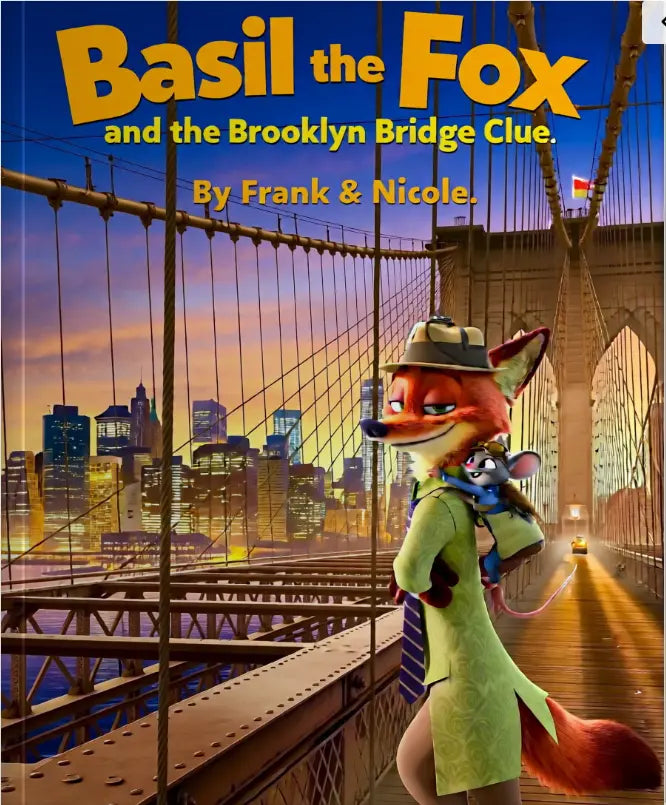
Basil the Fox bundle for guided teamwork conversations.
Brooklyn Bridge clue for talking about cooperation under pressure.
Professor Paws for discussion of respectful communication.
Central Park story for reflecting on inclusion during exploration.
Step 7: Debrief after real events
When a child experiences a social conflict, use the story language as a bridge. Instead of asking only “Why did it happen?”, ask “What would the character do?” and “What repair would be fair?” This approach helps children translate fiction into real-life options.
Keep debriefs brief and supportive. The goal is not to assign blame, but to strengthen problem-solving skills and reduce future conflict.
Wrap-Up
Children’s literature about friendship can be a high-impact learning tool when selection and reading practices are intentional. The strongest stories model empathy, accountability, and repair. They also help children develop language for social challenges such as exclusion, misunderstandings, and hurt feelings.
Use a step-by-step approach: match the book to the child’s needs, evaluate how characters handle conflict, pause for prediction, and connect emotions to concrete actions. Then reinforce learning through consistent discussion and brief debriefs after real events.
If you are building a home or classroom library, choose friendship stories that teach behaviors children can practice. Pair them with character-led adventures to keep engagement high while expanding the child’s understanding of cooperation and respect. For additional curated digital titles, explore the selection at FN Library Online.
Disclaimer: This article provides general educational guidance only. It is not a substitute for professional support or individualized assessment.
Q&A
How do I choose a friendship book that fits my child’s age?
Select books that match the child’s current social challenges. For early readers, prioritize stories about sharing, taking turns, and gentle inclusion. For older readers, choose stories that address fairness, boundaries, and repairing harm after mistakes. Read a few pages first to confirm that the emotional tone is appropriate and the character growth is constructive.
What should I do if my child says a character’s behavior is unfair?
Treat the reaction as a learning opportunity. Ask what specifically felt unfair, then connect that feeling to a different choice the character could have made. Encourage the child to propose a respectful alternative action. This preserves the child’s viewpoint while still guiding them toward healthy conflict-resolution strategies.
Can a story help with real-world friendship problems?
Yes, when the discussion is intentional. After reading, connect the story’s actions to a real situation in simple terms. Use questions that focus on next steps, such as what the child could say, who they could include, or how they could repair harm. Repetition across books strengthens the child’s ability to apply social skills in daily life.


Never give up. Today is hard, tomorrow will be worse, but the day after tomorrow will be sunshine.”

