

Updated on: 2026-06-29
Engaging kids' e-books can transform screen time into a focused reading routine that supports curiosity and skill growth. This guide explains how to choose the right story formats, how to structure family reading sessions, and what to look for in age-appropriate content. You will also learn practical methods for building comprehension, vocabulary, and confidence through interactive reading. The article closes with clear next steps and answers to common questions.
Table of Contents
Practical Guide
Engaging kids' e-books are not simply digital versions of printed pages. When selected and used well, they function as structured experiences that invite children to read actively. The strongest results come from three elements: purposeful selection, consistent routines, and guided interaction. The goal is not to rush through stories. The goal is to help children participate in the reading process.
Choosing the right format
Not every e-book style matches every child. Start by matching format to attention span, reading level, and interests. Look for clear chapter structure or short, standalone sections so children can feel progress. For younger readers, search for stories with predictable patterns, strong picture-to-text alignment, and simple sentence rhythm. For older readers, choose longer narrative arcs that include dialogue, descriptive language, and meaningful plot turns.
Also consider whether the e-book supports variety. Some children thrive with mystery adventures, while others prefer friendship stories, nature explorations, or problem-solving themes. Variety can reduce resistance and increase the likelihood that children will return to reading without negotiation.
When you evaluate an e-book for quality, prioritize the story craft: coherent pacing, character consistency, and language that children can decode with support. Well-written content is easier to revisit and reread, which increases retention. If the story includes short scenes, a clear beginning, middle, and end, and age-appropriate complexity, it is often a stronger foundation for habit-building.

Illustration of a path map with short story stops
If you are building a library for early readers, it can help to select a connected set. A bundle style collection encourages continuity and reduces decision fatigue at home. For example, FN Library Online offers a curated mystery bundle that supports repeated reading across multiple entries: city mystery bundle. A consistent cast and theme can strengthen vocabulary and comprehension because children learn to anticipate story structure.
Designing a reading routine
Routine converts interest into literacy. A practical approach is to set a predictable time and keep the method flexible. Choose a short session length at the start, such as one story or one short chapter. If children enjoy the session, you can extend it later. If they struggle, shorten the block and repeat the same title multiple times rather than switching too quickly.
To keep reading engaging, begin with a brief preview. Ask a single question that connects the child to the story premise, then read the opening. After the first section, check in with a short response prompt. This could be a choice question, such as what the child thinks will happen next, or a simple confirmation, such as whether a character seems brave or cautious.
Family reading should also include a “return loop.” After finishing the story, revisit a key moment. Encourage the child to retell it using three steps: what happened first, what changed, and how it ended. For children who are building fluency, retelling can be done with minimal writing. Spoken summaries often provide the fastest confidence boost.
Supporting comprehension
Comprehension grows through active noticing. When children read, they need time to process characters, events, and cause-and-effect. One effective method is to teach “story signals.” These are cues that help children track meaning. For example, pay attention to character goals, repeated details, and problem statements. When children learn to spot these cues, they can interpret the story without feeling lost.
Use targeted prompts that do not overwhelm. Choose one category at a time:
- Characters: “What does this character want?”
- Events: “What happened after that?”
- Clues: “Which detail helped you guess?”
- Meaning: “What does this sentence suggest?”
Vocabulary support should remain practical. Avoid long lists. Instead, select one or two useful words from each session and connect them to the story meaning. Ask the child to explain the word in their own language or to point to the sentence where the word appears. This method supports understanding while preserving the pace of reading.
If your child enjoys detective-style storytelling, mystery titles can provide natural structure for comprehension practice. The genre often includes clues, misdirection, and resolution. That structure gives children repeated opportunities to infer and review evidence. FN Library Online has multiple Basil the Fox mystery titles that can fit different interests, including: Basil the Fox adventures and individual clues such as the missing midnight key. Selecting one title at a time can be more effective than introducing too many options simultaneously.

Visual timeline showing clues, guesses, and story resolution
Key Advantages
Well-chosen engaging kids' e-books offer benefits that extend beyond entertainment. They can support literacy development, strengthen family connection, and make reading feel achievable. Below are advantages that align with educational best practices.
- Higher motivation through story choice: When children select stories that match interests, they engage more deeply and persist longer.
- Improved comprehension through guided prompts: Mystery, humor, and character-driven narratives provide natural checkpoints for inference and retelling.
- Vocabulary growth in context: Children learn words through meaning rather than memorization. Repetition across episodes further reinforces usage.
- Flexible access for busy routines: Digital libraries support quick sessions between activities, which helps reading become consistent.
- Support for different learning paces: Short sections, rereading options, and structured story arcs allow children to progress without pressure.
- Strengthened family communication: Shared reading builds conversation and offers a low-stakes environment for questions and reflection.
Another advantage is that digital formats often allow you to curate a learning library around goals. You can build a sequence that alternates between mystery and reassurance stories, or between short picture-led chapters and longer narratives. This curation strategy supports both attention and confidence. It also reduces the risk of choosing content that is too difficult, which can quickly lower motivation.
Quality matters. Look for clear storytelling, careful pacing, and language suited to the target age. Avoid titles that rely only on novelty. The best e-books reward rereading because they contain coherent plot logic, repeatable themes, and satisfying resolutions.
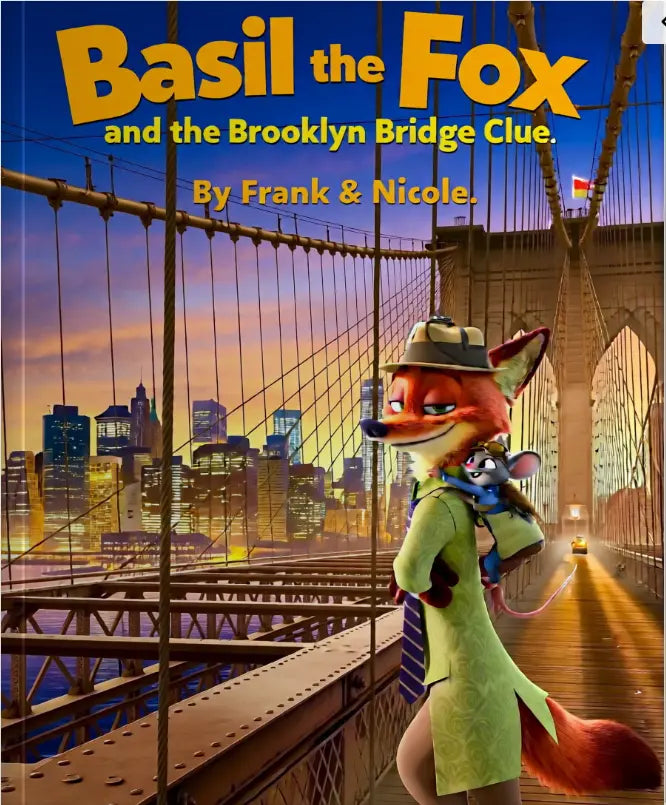
For families interested in a coherent reading path, consider selecting titles that share characters and settings. Basil the Fox stories can provide continuity that supports comprehension. Options include a river-focused clue: the Seine River clue, or a bridge-based investigation: the Brooklyn Bridge clue. A consistent style helps children focus on meaning rather than adjusting to new narrative conventions each time.
Summary & Next Steps
Engaging kids' e-books work best when they are selected with care and used with intention. Choose formats that match attention span and reading level. Build a consistent routine that includes preview questions and short check-ins. Strengthen comprehension using story signals, targeted prompts, and brief retelling practice. With these habits, reading becomes an experience children look forward to.
Your next steps can be simple. First, choose one title that aligns with current interests. Second, plan two short reading sessions across a week rather than a single long session. Third, after each story, ask for a three-part retell. Finally, when the child shows interest, add a related title to extend the reading experience. Continuity reduces friction and encourages deeper engagement.
If you are ready to expand a curated digital collection, start with an adventure style title and a connected series option from a trusted bookstore. FN Library Online specializes in curated digital content, including imaginative children’s books designed for repeat engagement. Explore the collection and select the stories that best match your household reading goals.
Q&A
How do I choose an engaging kids' e-books title for a reluctant reader?
Begin with an interest-led theme, such as mystery, animals, or problem-solving adventures. Prioritize clear story structure with short scenes and accessible language. Use a low-pressure approach: read the opening together and stop after a satisfying mini-moment. If the child shows curiosity, continue with one additional session rather than switching to a new book immediately.
What is the best way to use e-books to improve comprehension?
Use guided prompts that focus on characters, events, and clues. Pick one prompt type per session so the child can concentrate on a single skill. After finishing, ask for a three-part retell: beginning, change, and ending. This method encourages meaning-making and supports recall without turning reading into a test.
How often should families reread the same e-book?
Rereading is beneficial, especially for early readers and children building fluency. A practical approach is to reread the same title two or three times within a few weeks. Each reread can focus on a different purpose, such as identifying clues, discussing character choices, or practicing retelling. When motivation declines, switch to a new title that matches the same reading level and interest theme.


Never give up. Today is hard, tomorrow will be worse, but the day after tomorrow will be sunshine.”

