

Updated on: 2026-06-02
Educational stories for kids build vocabulary while strengthening comprehension and curiosity. They support early learning by blending clear plots with age-appropriate themes. A well-chosen story can also guide values such as patience, problem solving, and careful observation. With the right routine, reading becomes an engaging learning tool at home and in the classroom.
Table of Contents
Product Spotlight: Choose Stories That Teach Through Discovery
When parents search for educational stories for kids, they often want more than entertainment. They want learning that feels natural. One effective approach is to select books that use mystery, gentle suspense, and repeatable reading routines. That combination motivates children to listen closely, infer meaning, and retain new concepts.
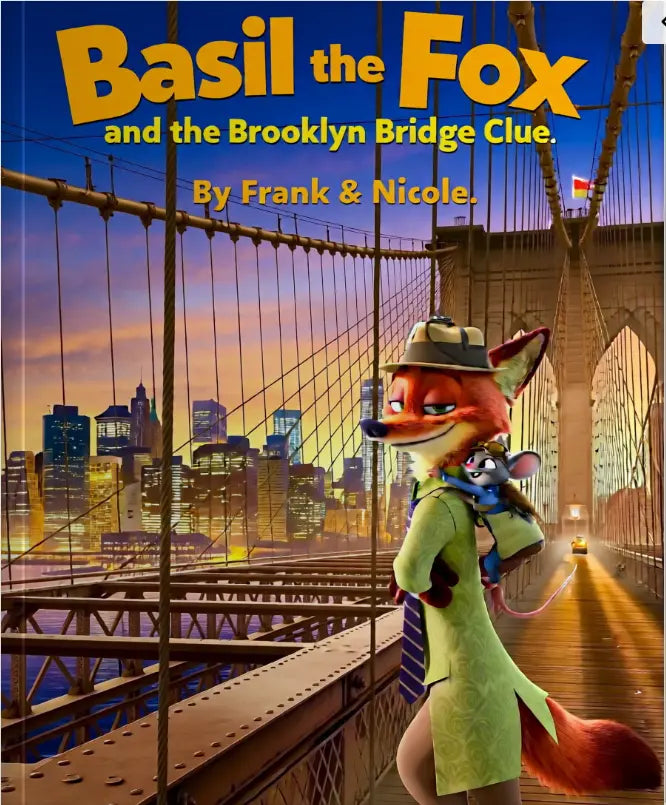
For example, the Basil the Fox series offers clue-driven adventures designed to encourage attention to details and structured thinking. Children follow a clear sequence of events: observe, predict, test ideas, and reach a conclusion. That process mirrors how many learning skills develop. It also makes reading time more interactive without adding pressure.
Below are a few relevant options from FN Library Online that fit this style of guided discovery. Use them to match your child’s interests and reading level.
- Brooklyn Bridge Clue for geography and careful observation.
- Secret of Central Park for nature awareness and reasoning.
- Missing Midnight Key for cause-and-effect thinking.
- City Mystery Bundle for variety in settings and learning themes.

Child reading clues with magnifier and map symbols
Step-by-Step How-To: Build a Learning Routine With Educational Stories for Kids
Learning accelerates when reading is consistent and interactive. The goal is not to “quiz” children. The goal is to help them practice comprehension and reasoning while staying curious and confident. Follow these steps to create a routine that works across ages.
-
Select one story purpose. Choose a goal for the session, such as building vocabulary, practicing sequencing, or noticing details. This keeps your discussion focused.
-
Preview the story structure. Look at the title, chapter names, or key scene descriptions. Ask one prediction question, such as what the main character might do next.
-
Read in short segments. Stop after a meaningful moment, then ask what happened and why. Short segments reduce fatigue and improve retention.
-
Model “notice and wonder.” Encourage your child to name one detail they noticed and one question they wonder about. This supports observational learning and inquiry.
-
Connect the story to real life. Link one concept to daily experiences. For example, when a character studies a landmark or follows signs, connect it to directions, calendars, or routines.
-
Practice sequencing. Ask children to list events in order. If they struggle, use three anchors: beginning, middle, and ending. Sequencing strengthens comprehension.
-
Use gentle vocabulary reinforcement. Select two or three words from the story and define them in simple language. Reuse them in your next question to support recall.
-
Encourage a small “solution” response. For mystery stories, ask how the clue supports the conclusion. For other story types, ask what lesson the character learned and how it changed choices.
-
Close with a reflection prompt. End with one sentence from your child: “Today I learned…” or “A question I still have is…”. Reflection improves long-term learning.
How to choose the right story type
Not every child connects with the same plot style. Consider these common strengths when choosing educational stories for kids:
- Mystery and clue stories build attention to details and cause-and-effect reasoning.
- Adventure narratives support planning, persistence, and emotion regulation.
- Historical and informational story blends improve knowledge and domain vocabulary.
- Character-focused stories strengthen empathy and social understanding.
If your child is easily distracted, start with shorter formats and repeat settings. If your child loves challenge, increase complexity gradually by adding more prediction prompts.
Keep reading interactive without overwhelming children
Interactive reading does not require lengthy discussions. Two or three high-quality questions are enough. Also, match the question style to the child’s comfort level. For younger children, use “What do you notice?” and “What do you think will happen?” For older children, use “Which clue proves the idea?” and “What alternative explanation exists?”
When children feel safe, they engage more deeply. That emotional safety supports learning because it reduces avoidance and helps them persist through confusion.

Sticky notes with sequence arrows and vocabulary icons
Personal Experience: Why Clue-Based Reading Works
I have observed that children often learn best when the reading experience feels like a shared investigation. During one week of consistent family reading, I noticed a change in how my child approached stories. At first, the main focus was simply finishing the pages. After a few sessions with the same routine, the attention shifted. My child began pointing out small details, such as a repeated symbol or a phrase that hinted at the next event.
The biggest improvement came from the practice of asking for a connection between clues and conclusions. Instead of asking, “What is the answer?”, I asked, “Which clue makes you think that?” That small change encouraged evidence-based thinking. It also made comprehension measurable in a way that felt natural to the child.
Over time, the learning benefits expanded beyond reading. My child used sequencing language during other activities, such as assembling simple items or planning a small project. That transfer matters. When children practice logical steps in story form, they often apply similar thinking to real tasks.
If you want a simple next step, choose one clue-driven adventure and repeat the routine for three sessions. Then evaluate your child’s engagement. Look for signs such as more questions, stronger vocabulary recall, and clearer retelling. If engagement improves, continue with the next story in a related series.
Summary & Recommendations
Educational stories for kids are one of the most effective tools for building language, comprehension, and reasoning through enjoyment. The learning advantage is strongest when you select stories with clear structure and opportunities for observation. Clue-based narratives often work well because they invite children to connect evidence to outcomes.
To get strong results, keep the reading routine consistent. Use short reading segments, ask focused prediction and reflection questions, and connect the story to everyday life. Practice sequencing and vocabulary gently. Over time, your child will likely show better retention and more confident explanations.
If you want a practical path, start with a curated set of adventures such as the Basil the Fox titles. For continued reading, you can explore additional pages from FN Library Online:
- Whispering Map for instruction-following and inference.
- Frozen Lantern for problem solving and cause-and-effect.
- Acorn Lantern for theme recognition and careful listening.
- Professor Paws for curiosity and reasoning practice.
CTA: Choose one story today and set a simple goal for the next reading session. If you aim for “notice, wonder, and explain,” you will likely see faster engagement and stronger comprehension.
Disclaimer: This article provides general educational guidance and reading strategy ideas. It is not a substitute for professional advice from a qualified teacher, tutor, or child development specialist.
What makes a story educational for children beyond vocabulary?
An educational story builds comprehension through structure and invites reasoning through meaningful choices. When children infer motives, track events, and connect clues to outcomes, they develop thinking skills that support learning across subjects.
How often should I read educational stories with my child?
Consistency matters more than duration. Short, repeatable sessions are effective. A few times per week with a predictable routine often produces stronger engagement than occasional long sessions.
How can I tell whether the story is the right level?
The right level feels challenging but manageable. Your child should understand the main events without frequent stopping, while still benefiting from one or two clarifying prompts. If confusion is constant, switch to a simpler story and revisit more complex themes later.


Never give up. Today is hard, tomorrow will be worse, but the day after tomorrow will be sunshine.”

