

Updated on: 2026-05-22
Educational ebooks for kids help children build reading stamina while learning useful skills. They also support independent learning, because stories and activities are easy to revisit. Thoughtfully chosen ebooks can strengthen vocabulary, comprehension, and age-appropriate critical thinking. When you match content to a child’s interests and reading level, ebooks become a consistent learning routine rather than a one-time activity.
Key Benefits
When parents and educators choose educational ebooks for kids, they are selecting a learning format that is flexible, engaging, and easy to manage. A high-quality ebook combines story structure, clear language, and meaningful practice to support long-term skill development.
- Stronger literacy foundations: Many children gain new vocabulary and better sentence understanding through repeated exposure to well-structured text.
- Improved comprehension: Narrative nonfiction and mystery storytelling often include context clues, cause-and-effect reasoning, and key details.
- Motivation through interest: When topics align with a child’s curiosity, reading feels like discovery instead of effort.
- Independent learning support: Short chapters, guided questions, and review opportunities make it easier for children to practice without constant adult input.
- Skill reinforcement across subjects: Ebooks can build language skills while also supporting science, geography, logic, and creativity through integrated themes.
- Convenient access: Digital formats can be revisited, organized, and used across devices when appropriate for the child and household routine.

Icons for vocabulary, comprehension, and practice goals
Step-by-Step Guide
Selecting the right ebook involves more than choosing a topic. A careful selection process can improve outcomes, reduce frustration, and help children maintain a steady reading habit.
1) Choose age-appropriate content and a suitable reading level
Start by identifying the child’s current reading stage. Look for clarity in sentence structure and spacing, as well as age-appropriate themes. For younger readers, prioritize shorter sections, strong visual cues, and predictable story rhythms. For older readers, choose more complex plots and reasoning moments.
As a practical standard, the child should be able to understand most sentences without stopping every line. If a child reads far below their level, they may not encounter enough growth. If the content is too advanced, they may disengage quickly.
2) Match interests to learning objectives
Interests guide attention, and attention drives learning. If a child likes mysteries, the narrative framework can support comprehension and logical thinking. If a child likes animals or science themes, the reading can reinforce observation and explanation. You can also combine goals, such as building vocabulary while strengthening reasoning.
One effective approach is to select a series style ebook format. Series reading encourages continuity, and it reduces cognitive load because the child knows what to expect.
3) Evaluate structure, activities, and review opportunities
Strong educational ebooks often include features that support learning transfer. Look for elements such as:
- Clear chapter structure that helps children pace their reading.
- Questions or prompts that encourage the child to summarize, predict, or explain.
- Consistent use of key terms so vocabulary becomes part of real communication.
- Review moments that reintroduce concepts in a new context.
These features help children connect reading to thinking. They also provide a natural way for adults to ask supportive questions without turning reading time into testing.
4) Use a simple reading routine with short, repeatable sessions
Reading grows through regular practice. Instead of long sessions, use shorter, repeatable time blocks. For example, begin with a brief introduction, then read together or independently, then finish with a short recap prompt such as “What problem did the character solve?” or “What clue helped you decide?”
This routine matters because it trains attention and memory. It also makes reading a predictable part of the day, which reduces resistance.
5) Support learning with discussion and creative follow-ups
To deepen understanding, use brief discussion techniques. Ask for explanations rather than yes-or-no answers. Encourage children to point to a clue, a sentence, or a moment in the story. Creative follow-ups can also help, such as:
- Retelling the plot in the child’s own words.
- Writing a short alternate ending or new clue idea.
- Drawing a scene while labeling key details from the text.
- Creating a simple concept map of events and outcomes.
These activities strengthen comprehension and language expression. They also respect that children learn in different ways.
6) Choose quality and consider consistent series reading
Quality matters in educational content. Look for clear editing, coherent pacing, and writing that respects young readers. Series ebooks can be especially useful because they build familiarity with tone and structure, allowing children to focus on meaning and reasoning.
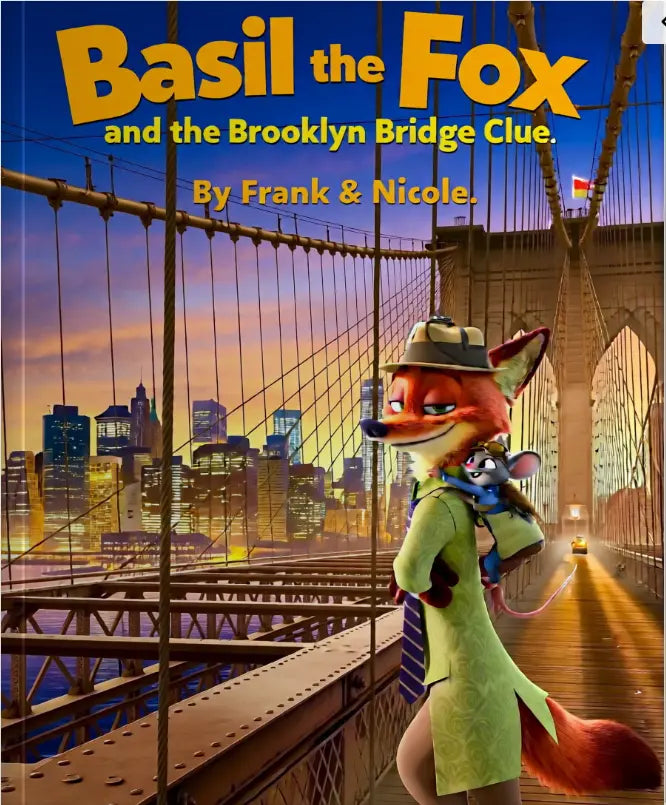
If you want an example of an engaging series approach, consider exploring mystery-themed ebooks designed for children. For instance, you can browse curated collections such as Basil the Fox bundle ebooks or individual adventures like Central Park mystery. These offerings can support reading practice through clue-driven narratives and age-appropriate problem solving.

Flowchart showing select, read, discuss, and revisit
7) Track progress with observation, not pressure
Progress is easiest to notice when you observe changes in reading confidence and thinking quality. Pay attention to whether the child:
- Reads with fewer pauses over time.
- Uses more precise words to describe events.
- Summarizes the story more clearly.
- Asks thoughtful questions about clues or characters.
When you see these signs, continue the routine and adjust only one factor at a time, such as switching to a slightly different reading level or increasing recap discussion.
Finally, remember that ebooks should support learning joy. A child who feels safe to read, ask questions, and try again develops stronger long-term motivation.
FAQ Section
How do educational ebooks for kids differ from regular storybooks?
Educational ebooks often integrate learning goals into the story experience. They typically include structured text, comprehension support, and prompts that encourage children to summarize, predict, or explain what they observe. Regular storybooks can also be educational, but ebooks marketed as learning-focused usually add more explicit thinking support.
What age is appropriate to start using ebooks for reading practice?
Appropriate timing depends on the child’s reading readiness and attention span. Many children benefit from ebook reading once they can follow basic story structures, recognize common words, and sustain short reading sessions. For younger children, adults can read together, pausing for simple questions and vocabulary discussion.
How many minutes per day should a child spend reading educational ebooks?
Short sessions are more sustainable than long ones. Many households find success with brief daily practice and one longer session a few times per week. The most effective schedule is the one the child can maintain consistently while showing improving comprehension and confidence.
For additional discovery, you may also explore related mystery adventures on the FN Library Online catalog, such as Whispering Map or Missing Midnight Key. These selections can provide consistent narrative structure that supports regular practice.
Call to Action: If you are building a reading routine, choose one educational ebook aligned with the child’s interests and reading stage, then follow a repeatable approach: read, discuss, and revisit. Browse the FN Library Online catalog to find engaging ebooks that support literacy and thoughtful reasoning.
Disclaimer: This article provides general educational guidance and does not replace professional advice. Content suitability depends on the child’s age, reading level, and individual learning needs.


Never give up. Today is hard, tomorrow will be worse, but the day after tomorrow will be sunshine.”

