

Updated on: 2026-06-05
Interactive children’s books turn reading into an active experience that supports attention and early literacy skills. They invite children to choose, respond, predict, and revisit stories with purpose. Thoughtful design matters, including clear instructions, age-appropriate challenge, and responsive feedback through tabs, prompts, or simple click-style interactions. This guide explains how to evaluate quality and choose titles that fit different ages and learning goals.
Table of Contents
Introduction
Interactive children’s books are a practical way to strengthen reading habits while keeping children engaged. Unlike traditional stories where the child only listens or reads along, interactive formats prompt active participation. Many children enjoy the feeling of influence, such as answering questions, following visual cues, or completing story challenges. These small actions can support comprehension, vocabulary growth, and narrative thinking.
For parents and educators, interactive reading also helps reduce passive screen time by using guided, story-based interaction. When chosen carefully, interactive children’s books can fit different learning styles. Some children need structure, and others respond best to choice and play. The most effective titles balance fun with clear learning outcomes that do not feel like formal instruction.
Product Spotlight: A Mystery Bundle for Curious Readers
One strong approach to interactive storytelling is mystery-driven series content. Mystery narratives naturally encourage prediction, observation, and follow-up questions. When interactive elements are added, children practice attention to detail and logical thinking while still enjoying story momentum.
If you want a bundle that supports repeat reading, consider the series format available as a multi-book collection. The Basil the Fox city mystery bundle is designed to keep curiosity alive through interconnected adventures. Mystery stories can also be a helpful gateway to interactive reading because children want to “solve” what happens next.

Story map with clues, arrows, and question markers
As children move from one clue to another, interactive prompts can help them practice story sequencing. They also learn to connect evidence to conclusions, which reinforces comprehension. For families, mystery themes can create an easy routine: read a section, discuss what was noticed, and then decide the next best prediction.
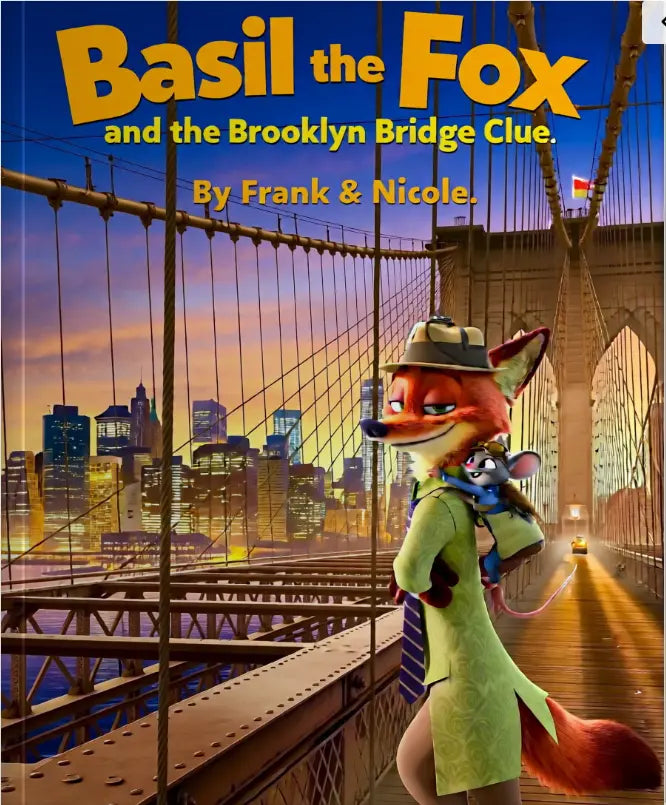
To expand variety within the same character world, you can also choose single-book clue adventures such as the Brooklyn Bridge clue or the whispering map clue. This structure supports the way many children learn: they revisit familiar characters while encountering new settings and new interactive moments.
Did You Know?
- Interactive prompts can strengthen recall by turning reading into an event-based activity.
- Choice-based story moments encourage language practice and explanation, not only listening.
- Short, repeated interactions can be easier for many children than long, uninterrupted reading sessions.
- Mystery formats often improve attention because every clue can feel meaningful.
Pros & Cons Analysis
| Aspect | Pros | Cons |
|---|---|---|
| Engagement | Promotes active attention through prompts and responses. | Some designs can distract if instructions are unclear. |
| Learning Support | Supports comprehension, vocabulary, and sequencing. | Not every book aligns interaction with meaningful story goals. |
| Routine Building | Encourages repeat reading and discussion. | Children may focus only on the interactive portion instead of the narrative. |
| Family and Classroom Use | Easy to guide with reading-aloud questions and quick activities. | Some formats require adult setup or supervision. |
How to Choose Interactive Children’s Books
Choosing interactive books is not only about novelty. The goal is to match interaction type to the child’s attention span and reading level. Start with the interaction purpose. Ask whether the prompts support comprehension or whether they mostly add entertainment.
First, evaluate complexity. For younger readers, the best interactive children’s books use simple choices, short questions, and clear cause-and-effect. For older children, look for interaction that requires prediction, inference, or evidence-based reasoning. A good interactive experience should feel achievable but not effortless.
Second, review the instruction clarity. Prompts should be easy to understand in one reading. If the book requires long explanation, children may disengage. Look for interaction that can be completed independently or with minimal guidance.
Third, consider content variety. Some children enjoy a single genre, while others benefit from different settings and themes. Mystery stories, animals, and everyday adventures can each provide a framework for interactive reading. Mystery-based adventures are especially useful because they naturally lead to discussion: What did you notice? What do you think happens next? What clue supports your idea?
Fourth, check the pacing. Interactive elements should appear regularly but not so frequently that the story becomes fragmented. A balanced rhythm helps children stay connected to the plot while still using the interactive features.

Checklist icons for age fit, instructions, and feedback
Parent and Teacher Tips
Interactive reading works best when adults guide without taking over. The purpose is to encourage the child to think, respond, and articulate reasoning. Use brief prompts that invite explanation. For example, ask what the child noticed, what clue might matter, or what prediction seems most reasonable.
One reliable approach is the “pause and predict” method. Stop at a natural story moment and ask the child to choose between two likely outcomes. Then read the next section to confirm or revise the prediction. This method supports narrative comprehension and flexible thinking.
Another method is “evidence talk.” In a mystery, children can point to a clue or detail that supports their idea. In non-mystery stories, they can identify a character trait shown through actions. This builds cause-and-effect thinking, which is essential for reading comprehension.
When children struggle, reduce friction rather than removing interaction entirely. Choose shorter sessions. Focus on one prompt rather than multiple. Celebrate effort and process, such as noticing details or making a reasoned choice, even if the final answer is not correct.
For learning centers and classrooms, interactive children’s books can support small-group work. Children can take turns reading a page, responding to the prompt, and then explaining why they chose that response. Rotate roles to keep energy stable and participation balanced.
Quality and Safety Checklist
High-quality interactive books are designed with durability, clarity, and child-centered readability. While digital formats may differ from print formats, the selection criteria remain similar: instructions must be legible, interactions must be age-appropriate, and the content must align with respectful learning goals.
- Clarity of prompts: Instructions should be short, specific, and easy to follow.
- Appropriate challenge: Interactions should match the child’s developmental stage and reading level.
- Meaningful integration: The interactive element should support the story, not distract from it.
- Consistency: Interaction styles should repeat so children learn patterns quickly.
- Durability and usability: If physical components exist, ensure smooth handling and safe materials.
- Respectful content: Themes should support healthy curiosity and positive social values.
If you want to explore series-style clue adventures, you may also consider related titles like the secret of Central Park for variety within a familiar narrative framework. Consistent characters can reduce cognitive load, allowing children to focus on the interactive goals and story details.
For best results, select interactive children’s books that your child is excited to return to. A good match creates a cycle: the child reads again, tries another prompt, and improves comprehension through repeated practice.
FAQ Section
What age range is best for interactive children’s books?
Interactive children’s books can be used across a wide age range. Younger children benefit from simple choices, clear instructions, and short story segments. Older children can handle more complex prompts such as prediction, inference, and multi-step clues. Choose based on the child’s attention span and ability to follow instructions.
Do interactive books improve reading comprehension?
They can support reading comprehension when the interaction is aligned with story meaning. Prompts that ask about details, sequence, and cause-and-effect encourage children to process the text more deeply. The strongest results come from guided discussion, brief predictions, and evidence-based explanations.
How can parents encourage participation without turning it into a test?
Use open-ended questions and focus on reasoning rather than right or wrong answers. Encourage the child to explain what they noticed and why they chose a response. Keep sessions short, celebrate effort, and allow the child to revisit prompts during repeat reading.
Are interactive children’s books suitable for classroom use?
Yes. They can work well in read-aloud, station rotation, and small-group formats. Group settings are most effective when the prompts promote discussion and turn-taking. Teachers can also use the interactive parts to check understanding without relying on lengthy written assessments.
Disclaimer: This article provides general educational guidance on selecting and using interactive children’s books. It does not replace professional advice for individual learning needs. Always review product details, age guidance, and content themes before purchase or use.


Never give up. Today is hard, tomorrow will be worse, but the day after tomorrow will be sunshine.”

