

AI writing prompts help you get clearer outputs from writing tools.
You will learn how to structure prompts for different goals, such as clarity, tone, and planning.
You will also receive expert techniques and practical checklists for improving results.
By the end, you will have a repeatable method for using AI writing prompts responsibly and effectively.
Updated on: 2026-05-13
Table of Contents
AI writing prompts are becoming a core skill for writers, marketers, educators, and small business owners. They turn a blank page into a guided conversation with your writing tool. When prompts are specific, the tool can respond with structure, tone, and relevant details instead of generic text. This matters because most writing problems are not about effort. They are about direction, constraints, and evaluation. With the right prompting approach, you can reduce rewrites and improve consistency across content types.
Did You Know?
- Effective prompts use clear goals, audience context, and constraints.
- Small changes to wording can shift tone, length, and format.
- Prompts can request outlines, examples, checklists, and revisions.
- Quality improves when you specify what to include and what to avoid.
Expert Tips
- Start with a single sentence goal, then add audience and purpose.
- Ask for an outline first, then request the full draft.
- Use formatting instructions such as headings, bullets, or tables.
- Request one revision pass that focuses on clarity, then a second pass for tone.
- Include a short “style reference” description to guide voice.
Personal Anecdote
I once helped a small team prepare a product-focused blog series. They had strong ideas, but the drafts arrived with inconsistent structure and uneven tone. After we replaced vague instructions with a prompt template, the difference was immediate. The writing tool began producing outlines that matched the team’s expectations. Then we used a second prompt that required a checklist-based review. The team still provided judgment, but the drafts became faster to refine and easier to publish.
AI Writing Prompts: What They Are and Why They Matter
AI writing prompts are instructions you provide to a writing system to guide output. They can request an outline, a draft, a summary, a rewrite, or a plan. The key value is control. When you specify the goal and boundaries, the system can generate content that aligns with your intent. This is especially important for business writing, educational content, and creative storytelling where structure and audience fit determine quality.
For marketers, strong prompts reduce the time spent turning ideas into publish-ready copy. For educators and trainers, prompts support lesson organization and consistent explanations. For independent creators, prompts help maintain voice across newsletters, scripts, and long-form articles. Even for professional editors, prompts can speed up early drafts and provide variation for comparison.
At FN Library Online, we focus on curated digital content and storytelling. Our approach emphasizes clarity, reader value, and craft. That mindset fits well with AI writing prompts: the system can help you explore directions, but your standards ensure the result is meaningful.
AI Prompt Engineering

AI Prompt Engineering by Frank Verspeet
A Practical Prompt Structure That Works
Most prompt failures come from missing context. You can fix that by using a repeatable structure. Below is a simple framework you can apply to almost any writing goal.
1) Goal
Write one clear sentence that states what you want. For example: “Create a blog introduction that explains the topic in plain language.” A specific goal gives the tool a target.
2) Audience and purpose
Define who will read the content and why they will care. Audience guidance helps the system choose vocabulary, examples, and pacing.
3) Constraints
Add limits that shape the output. Common constraints include length, formatting, tone, and required sections. Constraints improve consistency.
4) Content boundaries
Tell the system what to include and what to avoid. This reduces irrelevant details and off-topic tangents.
5) Output format
Specify the structure you want: bullets, numbered lists, headings, or a step-by-step plan. If you want a review checklist, ask for it.
6) Revision method
Ask for a quality pass. For instance, request a version that is shorter, then another that is more direct. Or request a clarity check that removes vague sentences.

Prompt blueprint with goal, audience, constraints, output blocks
Use Cases for AI Writing Prompts Across Writing Tasks
AI writing prompts are not limited to one style of writing. You can adapt the same structure for many tasks. This section outlines practical use cases and the prompting details that usually matter most.
Blog posts and thought leadership
Ask for an outline that includes headings, key points, and a conclusion. Then request a draft that follows the outline. For evergreen topics, ask for “timeless guidance” and “no time-sensitive references.” A helpful constraint is to request simple language and a clear reading path.
Product descriptions and landing page copy
For commerce pages, prompts should focus on benefits, audience fit, and usage context. Ask for short paragraphs, scannable bullet points, and a tone that matches your brand. Avoid vague claims by requesting evidence-based phrasing such as “describe how the product supports the reader’s goal.”
Email sequences
Prompts can draft subject lines, email bodies, and call-to-action variations. Specify the sequence stage, such as welcome, educational follow-up, or re-engagement. Ask for multiple versions so you can compare voice and structure.
Customer support responses
When drafting replies, request polite clarity and a structured response. Include placeholders only in the sense of “ask for missing details” rather than inserting unsupported facts. Request a closing line that invites next steps.
Training materials and workshops
Prompts can generate lesson plans, practice exercises, and facilitator notes. Ask for learning objectives and measurable outcomes. Then request an activity that includes instructions and expected discussion points.
For example, if you want to promote reading experiences tied to storytelling, you can pair prompts with your own catalog knowledge. FN Library Online offers mystery adventures such as Basil the Fox bundle. Using an AI drafting approach, you can create consistent book-club announcements, reading guides, and recommendation blurbs that match the series tone.
Quality and Safety: How to Keep Outputs Useful
AI writing prompts can generate strong drafts, but quality depends on how you evaluate the result. A disciplined review process protects accuracy and preserves your intent.
Use a two-pass evaluation
First pass: clarity and structure. Confirm that each section serves the goal. Second pass: consistency and tone. Ensure vocabulary matches the audience and that the message remains aligned with your standards.
Request source-aware phrasing without inventing facts
You should never ask the tool to “prove” claims that you cannot verify. Instead, ask for language that is appropriately cautious, such as explaining possibilities or providing general guidance. If your content depends on facts, include the facts in your prompt or provide notes for the system to summarize.
Protect brand voice
To maintain brand consistency, provide a short style description. For instance: “Use professional, reader-friendly language. Prefer short sentences. Avoid hype.” Then request the draft in that voice.
Prevent repetition and generic content
Include a requirement for variety. For example, ask for “a fresh example” and “non-overlapping subpoints.” If the tool repeats itself, request a rewrite that uses different phrasing and reorganized sections.

Two-step review checklist for clarity and tone
When writing about creative learning and publishing, it is wise to keep the scope grounded. Readers want helpful guidance, not exaggerated promises. This aligns with responsible business writing and with retailer expectations for product and editorial content.
A Simple Workflow for Better Results
You can get consistent outputs by following a short, repeatable workflow. The goal is not to replace thinking. The goal is to reduce friction so you can focus on quality.
Step 1: Draft the outline prompt
Use a prompt that requests structure only. Ask for headings, bullets, and key points. This step saves time because it prevents you from editing full drafts that drift off topic.
Step 2: Generate the first draft
Use the outline as input. Ask the system to expand each section with concise paragraphs and examples. Request formatting that matches your publishing style.
Step 3: Run a clarity and compliance check
Ask for a checklist review. The checklist can include: “Remove vague statements,” “Ensure the call to action is specific,” and “Confirm that no time-sensitive wording appears.” If you are writing for ecommerce, also request scannable copy that supports decision-making.
Step 4: Edit for audience value
Now you apply judgment. Add your unique angle, replace any overly generic lines, and ensure the final version reflects your audience’s needs.
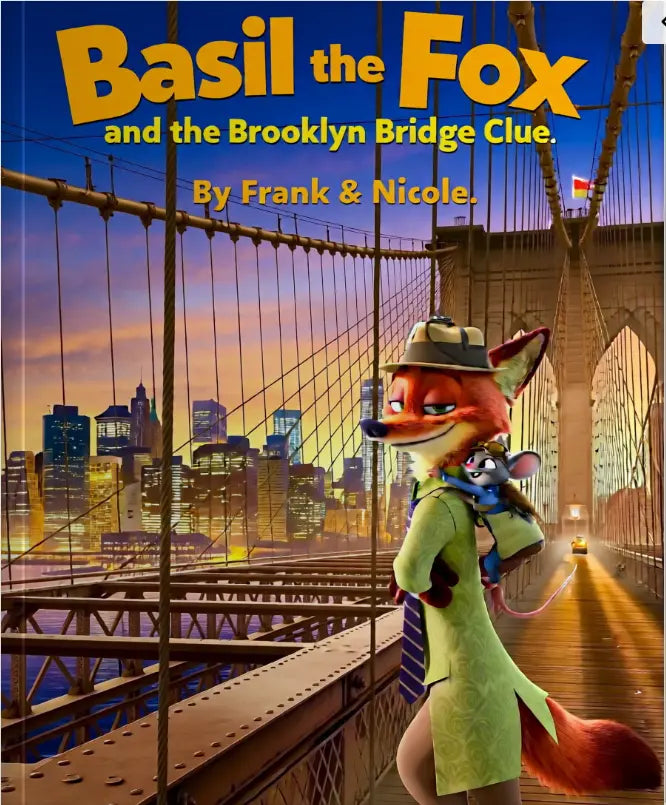
If you want additional inspiration for storytelling-driven content, FN Library Online has titles in the Basil the Fox universe, including the Seine River clue and the Brooklyn Bridge clue. You can use AI writing prompts to create reading summaries, educator notes, and themed discussion questions that stay consistent across books.
Summary & Takeaways
AI writing prompts are a practical way to guide writing tools toward useful, structured content. When you define your goal, audience, constraints, and output format, you reduce irrelevant output and speed up drafting. A quality process matters as much as the prompt. Use a two-pass evaluation for clarity and tone, then apply your editorial judgment. With a simple workflow, you can turn prompting into a reliable habit for blogs, product copy, emails, and training materials.
If you want to deepen your prompting skill with a structured learning approach, consider resources from FN Library Online, including AI Prompt Engineering.
Q&A
How do I write AI writing prompts that produce specific results?
Use a consistent structure: state the goal in one sentence, define the audience and purpose, add constraints such as length and formatting, and specify what to include and exclude. Then request an output format that matches your needs, such as headings and bullet points. Specificity reduces generic responses.
Should I ask for a draft or an outline first?
In most cases, request an outline first. An outline helps you verify structure and coverage before expanding into a full draft. After you confirm the outline matches your intent, you can ask for the complete version using the same constraints and tone guidance.
How can I check whether the output is accurate enough to publish?
Perform a two-pass review. First, check clarity and internal consistency: confirm that each section supports the main idea. Second, verify any factual statements that are critical to the reader. If accuracy depends on information you did not provide, remove or rephrase those parts and rely on general guidance.
Disclaimer: This article is for general informational purposes and does not constitute professional advice. Results from writing tools vary based on prompt quality, available context, and your editing standards. Always review and verify content before publishing.


Never give up. Today is hard, tomorrow will be worse, but the day after tomorrow will be sunshine.”

