

Updated on: 2026-05-30
Adventure e-books turn curiosity into consistent reading habits. They also help readers expand vocabulary, pacing awareness, and narrative comprehension. A strong catalog selection reduces disappointment and increases engagement. The right format and setup can also improve accessibility across devices. This guide outlines mistakes to avoid, evaluates trade-offs, and provides quick, practical actions for choosing and using adventure e-books effectively.
Table of Contents
Adventure e-books combine narrative immersion with the convenience of digital reading. For families, educators, and independent readers, they offer an easy path into story-driven learning and skill development. In this post, you will learn how to evaluate quality, avoid common selection and usage errors, and choose adventure e-books that match your goals. You will also see practical recommendations for setup, reading flow, and long-term engagement, with a focus on reliable decision-making rather than marketing hype.
Common Mistakes to Avoid
Many people select adventure e-books based only on cover appeal or short descriptions. This approach often leads to mismatched reading levels, pacing that feels too fast or too slow, and stories that do not sustain attention. Instead, evaluate the structure and readability before committing.
A frequent error is ignoring the intended audience. Adventure e-books can target early readers, middle-grade readers, or adult audiences with different expectations for vocabulary and themes. Choosing the wrong level can cause frustration, disengagement, or repeated rereading that does not build confidence.
Another common mistake is overloading readers with too many titles at once. When the library grows faster than the reading habit, completion rates drop and motivation declines. A focused shortlist is more effective than an extensive queue.
People also underestimate the importance of format compatibility. If the reading experience is unstable on a preferred device, progress breaks. Captions, images, or interactive elements may render differently across apps. Always confirm that the ebook format supports your typical reading environment.
Finally, many readers treat e-books as passive media and skip active engagement. Without reflection, summary, discussion, or goal setting, comprehension may remain shallow. An adventure story deserves a learning layer, especially for younger readers.

Reading checklist symbols and a satisfaction compass
As you evaluate options, consider using a simple decision framework. Look for clear narrative momentum, age-appropriate vocabulary, and a storyline that encourages curiosity. When possible, review sample pages to check sentence length, character voice, and plot clarity.
Pros & Cons Analysis
Adventure e-books can be an excellent choice, but informed selection requires a balanced view. Below is a practical pros and cons analysis based on common reader experiences and publishing best practices.
Pros
- Instant accessibility through a digital library, which supports on-the-go reading routines.
- Flexible control of reading pace, including easy font resizing and screen brightness adjustments.
- Often lower storage burden than physical collections, which helps families and classrooms manage space.
- Opportunities for repeated rereading, which strengthens comprehension and vocabulary retention.
- Support for story-based learning outcomes such as sequencing, inference, and theme identification.
Cons
- Screen reading fatigue can occur if sessions are too long or device settings are not optimized.
- Quality varies across titles, so selection must rely on more than product descriptions.
- Offline access may depend on the reading app and account settings.
- Some readers miss tactile engagement or visual browsing habits found in print formats.
- Without structured reading habits, digital libraries can become “unread collections.”
If you are choosing for education or family routines, the trade-off often comes down to consistency. Adventure narratives deliver value when reading sessions are regular, brief, and purposeful, even if the overall catalog is large.
For readers who enjoy mystery-driven exploration, a curated series can reduce decision fatigue. For example, the City Mystery Bundle approach supports continuity and character familiarity, which can help readers stay immersed across multiple stories. Similarly, a single focused case such as the Seine River clue can serve as an entry point before committing to a broader set.

Device icons, offline badge, and pacing timeline
To minimize friction, plan how the ebook will fit into your existing routine. Pair shorter sessions with clear stops and start points. When devices behave reliably and reading goals are small, adventure e-books become a stable habit rather than an occasional activity.
Quick Tips
Use the following steps to choose and use adventure e-books with less guesswork and stronger results.
- Match purpose to format: If the goal is entertainment, prioritize pacing and suspense. If the goal is literacy practice, prioritize readability and clear narrative structure.
- Verify reading level: Look at sentence complexity, vocabulary density, and the presence of context clues.
- Limit the shortlist: Choose two to five titles for the current month. Stop when engagement is strong; expand only after completion.
- Preview sample pages: Check how quickly the story begins and how characters are introduced.
- Create a repeatable routine: Use the same reading time window and session length. Consistency matters more than duration.
- Add one active step: After each session, ask for a one-sentence summary or a prediction about what happens next.
- Use device settings: Increase font size, choose a comfortable brightness level, and confirm offline access when needed.
- Rotate types of suspense: Alternate between clue-based mysteries, travel settings, and character-driven challenges to maintain interest.
- Track completion, not downloads: A digital shelf is useful only when it supports actual reading progress.
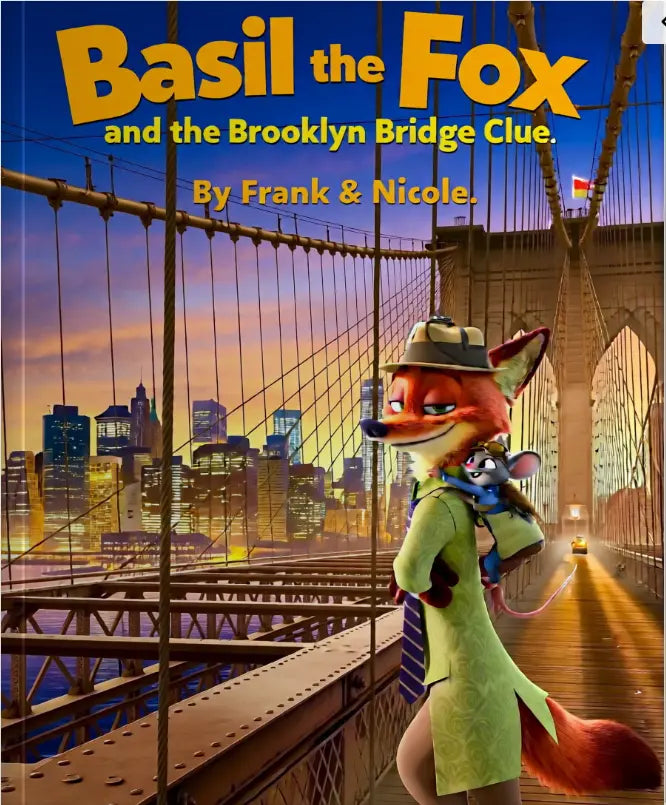
If you want mystery storytelling with clear investigation beats, consider exploring the Basil the Fox series options on FN Library Online. For instance, the Brooklyn Bridge clue and the Central Park secret provide distinct settings that can help readers connect location details to plot development.
For a different narrative flavor, you can also consider a standalone investigation like the Mystery of the Acorn Lantern. A standalone title can be valuable when readers want closure without starting multiple installments.
Wrap-Up & Key Insights
Adventure e-books are more than convenient entertainment. They can strengthen comprehension, support vocabulary growth, and build reading confidence when the selection process is deliberate. You reduce wasted time and emotional friction by avoiding level mismatches, format problems, and overfilled reading lists. When you also add active engagement, such as brief summaries and predictions, readers learn while they enjoy the story.
To achieve consistent results, focus on fit: fit between reader level and narrative complexity, fit between device and format, and fit between reading goals and session design. Keep the library curated and manageable. Prioritize completion over accumulation. Over time, this approach creates a reliable pathway into immersive storytelling experiences.
Call to action: If you want to build a curated digital reading shelf, explore FN Library Online titles and begin with one or two adventure-focused options. Use a short preview step, set a small reading routine, and track progress by completed chapters or stories.
Disclaimer: This article provides general guidance for selecting and using digital reading materials. It does not constitute educational, medical, or legal advice. Reading experiences vary by device, app settings, and individual learner preferences. Always review product details and sample content before purchase.
Q&A: Adventure e-books
How do I choose the right adventure e-books for a reader who loses interest quickly?
Select titles with immediate narrative momentum, clear character goals, and manageable language complexity. Start with one story and observe attention span. If engagement holds for multiple sessions, continue with related titles that share familiar characters or themes.
What is the best way to prevent screen fatigue when reading adventure e-books?
Use shorter sessions, adjust font size for comfortable reading, and set brightness to a level that reduces strain. Consider breaks between chapters and confirm that your reading app supports stable offline access for consistent navigation.
Are adventure e-books effective for literacy development in children?
They can support literacy when they are paired with active comprehension steps. Brief summaries, predictions, and discussion questions help reinforce sequencing, vocabulary meaning, and inference skills. The impact increases when reading sessions are consistent and appropriately leveled.


Never give up. Today is hard, tomorrow will be worse, but the day after tomorrow will be sunshine.”

