

Kids' literature e-books offer convenient access to stories that build language, vocabulary, and imagination.
This guide shows how to choose age-appropriate titles, plan reading routines, and support comprehension.
You will also learn practical ways to evaluate quality, usability, and learning value before you buy.
Use the steps below to create a consistent experience for young readers at home or in a classroom setting.
Updated on: 2026-05-16
{Table of Contents}- Introduction
- Essential Tips
- Detailed Step-by-Step Process
- Quality Checklist for Kids' Literature E-Books
- Reading Routines That Improve Engagement
- Visual Support for Better Understanding
- Summary & Takeaway
- Q&A
Introduction
Finding the right reading experience for children is more than choosing a title. Kids' literature e-books can make storytelling accessible on multiple devices, support repeat reading, and help families build consistent literacy habits. When you select carefully and use a simple plan, digital books can strengthen comprehension, expand vocabulary, and make reading feel predictable and enjoyable. This article provides a clear method for choosing, using, and evaluating kids' literature e-books with confidence.
H2: Essential Tips
- Match the e-book to the child’s reading stage, including vocabulary difficulty and sentence length.
- Prefer titles with clear story structure: a beginning, a middle problem, and a satisfying resolution.
- Use short reading sessions and repeat favorite chapters to support fluency.
- Check usability features such as font size options, screen readability, and navigation tools.
- Look for illustrations or visual cues that reinforce meaning, not just decoration.
- Set a reading routine that includes a brief preview and a short reflection afterward.
- Track engagement by observing attention, not by relying only on test scores.
- Choose authors and publishers known for strong editorial standards and consistent quality.
H2: Detailed Step-by-Step Process
Use the following process to select kids' literature e-books and turn them into a reliable reading habit.
-
Define the goal of the reading session.
Decide whether you want vocabulary growth, narrative comprehension, or motivation for independent reading.
-
Determine the appropriate age and reading level.
Consider both age and reading stage. A seven-year-old may read at different levels depending on exposure and confidence.
-
Scan the book for structure and clarity.
Look for chapter organization, consistent pacing, and story clarity. Clear structure reduces cognitive load.
-
Evaluate language complexity.
Assess whether sentence length and word choice match the child’s comfort level. If the child repeatedly stops, the text may be too advanced.
-
Review visual support.
Check whether illustrations help readers understand setting, characters, and key events.
-
Test device readability.
Confirm that the text is comfortable to read on the intended screen and that navigation feels simple.
-
Plan a guided read before independent reading.
Start with read-aloud or co-reading. Ask short questions about what happened and what might come next.
-
Build comprehension with structured prompts.
Use predictable prompts such as “What problem did the character face?” and “How was it solved?”
-
Encourage reflection after the story.
Have the child describe a favorite moment or retell the beginning, middle, and end in simple terms.

Child reading on a tablet, simple story icons
Quality Checklist for Kids' Literature E-Books
Quality is what turns a digital book into a meaningful learning experience. The checklist below helps you evaluate value without relying on marketing language.
1) Narrative and literacy alignment
- Look for clear character motivation and consistent perspective.
- Prefer books that repeat key concepts in context rather than teaching through isolated facts.
- Choose stories that support phonics or vocabulary targets naturally, through repeated words or themes.
2) Editorial care and readability
- Check for spelling accuracy and clear punctuation.
- Ensure the reading flow remains consistent across chapters.
- Verify that dialogue is readable, especially for early readers.
3) Visual clarity and learning support
- Assess whether images are clear at typical screen sizes.
- Confirm that visuals support understanding of events and relationships.
- Avoid books where images distract from the text rather than clarify it.
4) Usability and navigation
- Choose e-books with reliable chapter navigation or simple page movement.
- Confirm that the child can return to the same spot after pauses.
- Look for settings that support reading comfort, such as font and layout options.
5) Consistency across a series
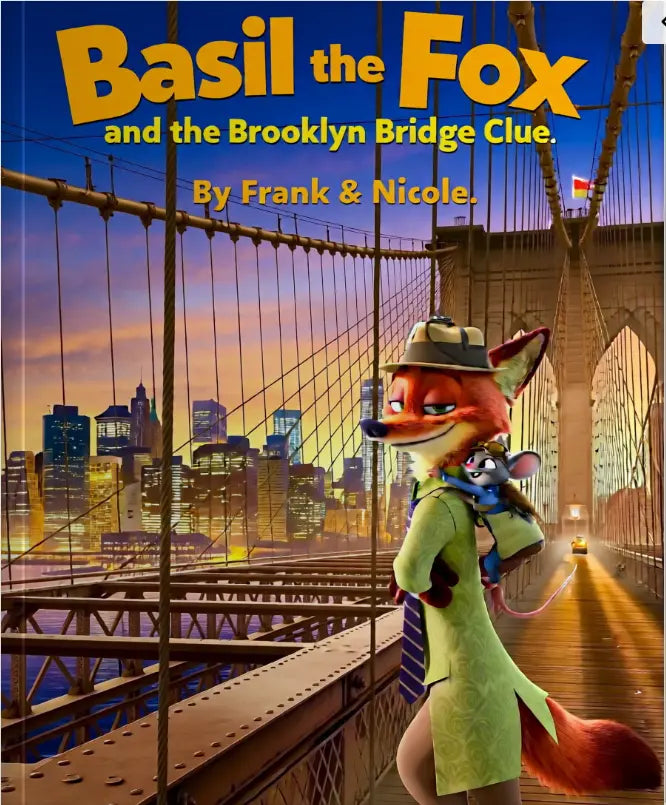
Series-based reading can improve engagement because children anticipate familiar characters, settings, and story routines. If your goal includes sustained reading practice, consider a set of themed adventures. For example, FN Library Online offers Basil the Fox story collections that can support long-term motivation and repeated reading.
When you choose a high-quality publisher and editorial process, you reduce the risk of frustration and increase the chance of steady progress.

Story map with checkpoints, character icons, and arrows
Reading Routines That Improve Engagement
Digital formats can help reading become more consistent. The key is to build a routine that supports attention and reduces uncertainty. Apply the following approach to help children look forward to each session.
Create a predictable session structure
-
Preview in one minute.
Look at the cover, the first page, or the chapter title. Ask what the child expects.
-
Read in small segments.
Stop every few pages to keep attention stable. Short bursts are often more effective than long sessions.
-
Pause for micro-questions.
Ask about cause and effect: “What made the problem worse?” or “What changed after the clue?”
-
End with a simple summary.
Ask the child to retell the story in three parts: beginning, middle, and end.
Use repetition intentionally
Repetition is not redundant in reading. It supports fluency, strengthens memory, and improves confidence. Select a favorite chapter and revisit it after one or two days, then compare how the child answers comprehension prompts.
Support vocabulary through context
Instead of stopping frequently to define every unfamiliar word, focus on the words that affect understanding. Use context clues from the story. Ask the child to explain what the word likely means based on nearby events.
Encourage independent choice
Engagement increases when children have limited but real choice. Provide two or three approved titles and let the child select which one to read next. This practice supports motivation without overwhelming decision-making.
Visual Support for Better Understanding
Kids' literature e-books can be particularly effective when they include visual elements that guide comprehension. Use visual strategies that do not depend on additional materials.
1) Build a story sequence
After reading, create a simple sequence with three moments: what happened first, what created the main conflict, and how it ended. The child can describe each step using a sentence or two. This builds narrative comprehension.
2) Use a character focus routine
Pick one character per session. Ask questions such as “What does the character want?” and “What clue helps the character reach a decision?” This supports motivation and reasoning.
3) Emphasize evidence from the text
For mystery or clue-driven stories, encourage the child to point to the clue that changed the outcome. Evidence-based responses build critical thinking and attention to detail.
For parents and educators who value engaging mysteries and repeatable reading routines, detective-style children’s series can offer a stable framework. FN Library Online features Basil the Fox and related clue adventures that naturally support prediction, explanation, and evidence gathering. You can explore specific adventures through these pages:
H2: Summary & Takeaway
Kids' literature e-books can strengthen literacy through accessible reading, repeatable story structures, and supportive visuals. A strong selection process matters: match reading stage, evaluate clarity and usability, and choose stories with reliable narrative structure. Then use consistent reading routines with short segments, micro-questions, and brief reflection. With these steps, digital reading can become a calm, motivating habit that supports comprehension and long-term interest in books.
Q&A
How do I choose the right kids' literature e-books for my child?
Start with reading goals and reading stage. Review story structure, language complexity, and visual clarity. If the child struggles repeatedly, choose a simpler level or a shorter format. For ongoing motivation, series-based stories can provide familiarity and routine.
What reading routine works best for early readers using digital books?
Use short sessions with predictable steps. Preview briefly, read in small segments, and pause for one or two micro-questions. End with a simple three-part retell. This structure reduces frustration and builds confidence through repetition.
Do kids learn vocabulary better from e-books than from print books?
Learning depends on how the book is used. E-books can support comprehension through adjustable readability and interactive navigation, but vocabulary growth is most effective when an adult or educator supports context-based meaning and encourages short, evidence-based answers about story events.
Disclaimer: This article provides general educational guidance. It does not replace individualized assessment or professional advice. Reading needs differ by child, and families should select materials that align with their specific goals and comfort levels.


Never give up. Today is hard, tomorrow will be worse, but the day after tomorrow will be sunshine.”

